
![At the museum no photos are allowed which is really unfortunate as it was well worth the visit and the guided tour is definitely not to be missed. In the museum there are even Batik made from the Dutch era which depicts stories like Little Red Riding Hood and Snow White!
I enjoyed the tour v much and at the end of the tour we were brought to this room where the artisan were working on hand drawn batik.
Below is an excerpt from Wikipedia for anyone interested in learning more about the process of batik making.
Firstly, a cloth is washed, soaked and beaten with a large mallet. Patterns are drawn with pencil and later redrawn using hot wax, usually made from a mixture of paraffin or bees wax, sometimes mixed with plant resins, which functions as a dye-resist. The wax can be applied with a variety of tools. A pen-like instrument called a canting (IPA: [tʃantiŋ], sometimes spelled with old Dutch orthography tjanting) is the most common. A canting is made from a small copper reservoir with a spout on a wooden handle. The reservoir holds the resist which flows through the spout, creating dots and lines as it moves. For larger patterns, a stiff brush may be used. Alternatively, a copper block stamp called a cap (IPA: [tʃap]; old spelling tjap) is used to cover large areas more efficiently.
After the cloth is dry, the resist is removed by scraping or boiling the cloth. The areas treated with resist keep their original color; when the resist is removed the contrast between the dyed and undyed areas forms the pattern. This process is repeated as many times as the number of colors desired.
The most traditional type of batik, called batik tulis (written batik), is drawn using only the canting. The cloth need to be drawn on both sides and dipped in a dye bath three to four times. The whole process may take up to a year; it yields considerably finer patterns than stamped batik.
Source: Wikipedia](https://images.trvl-media.com/place/6224808/26fd1460-c65a-4c1a-9444-7a893e883ac9.jpg?impolicy=fcrop&w=1200&h=500&q=medium)
Foto por Sharrie Shaw
Hoteles baratos en Centro de la ciudad de Solo
Selecciona las fechas para ver las mejores ofertas
Hoteles baratos en Centro de la ciudad de Solo. Ve la disponibilidad:
Mañana
Este fin de semana
Próximo fin de semana
Nuestra selección de hoteles baratos en Centro de la ciudad de Solo
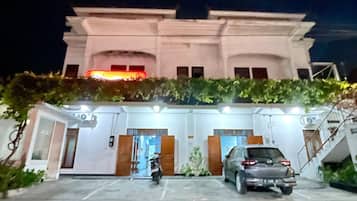

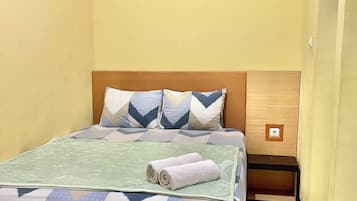

Telu Telu Solo
Centro de la ciudad de Solo
$9 por noche
El precio actual es de $10
14 dic. - 15 dic.
Total con impuestos y cargos
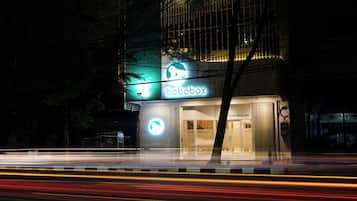
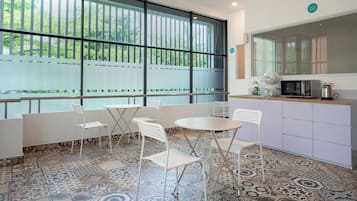
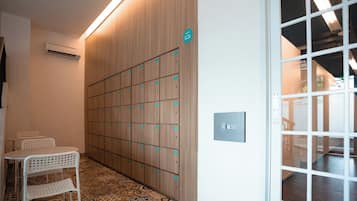
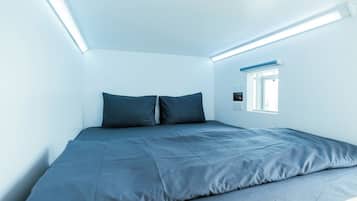
Bobopod Slamet Riyadi Solo
Centro de la ciudad de Solo
$11 por noche
El precio actual es de $12
15 dic. - 16 dic.
Total con impuestos y cargos


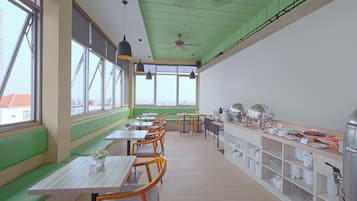
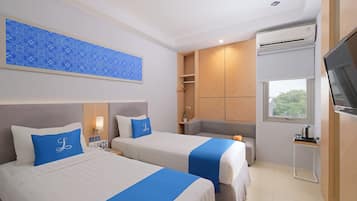
Horison Inn Laksana Solo
Centro de la ciudad de Solo
6.8 de 10, (6)
“The good: Lovely staff who are always willing to assist. The friendly greetings each time we walked past the reception desk made us smile.
Comfortable room.
The bad: Food at the restaurant not great for the price.
The ugly: Room had quite a bit of wear and tear. The smell of other guests smoking nearby was really strong and unpleasant. Noisy guests kept us awake over a couple of nights.”

J
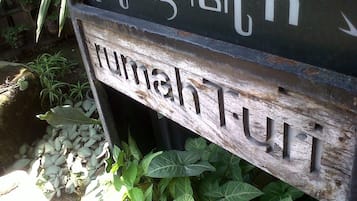
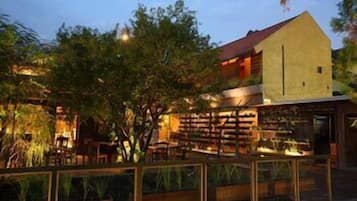

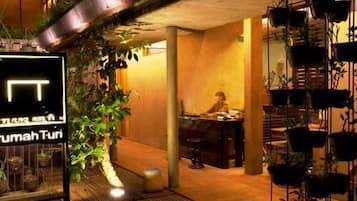
Rumah Turi Eco Hotel
Centro de la ciudad de Solo
7.8 de 10, Bueno, (15)
“Great value for money and in a great spot within town, with a delicious Wedangan Pendopo Javanese restaurant nearby and many cafes within walking distance. Staff were extremely helpful and kind. Would definitely stay again if I return to Solo. ”

Basalamah
$16 por noche
El precio actual es de $17
14 dic. - 15 dic.
Total con impuestos y cargos

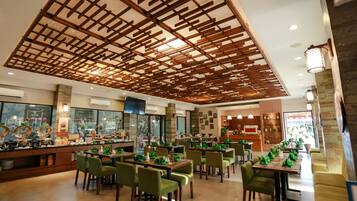
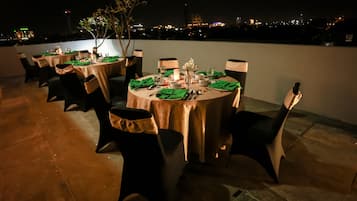
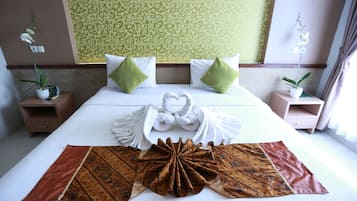
Loji Hotel Solo by Wstay
Centro de la ciudad de Solo
7.2 de 10, Bueno, (17)
“Pleasant hosts, Clean cozy hotel and room. Close to train station, recommended”

Ed
$17 por noche
El precio actual es de $18
1 ene. - 2 ene. 2026
Total con impuestos y cargos




Front One Budget Hotel Slamet Riyadi Solo
Centro de la ciudad de Solo
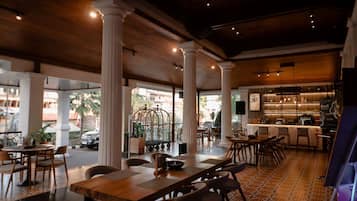
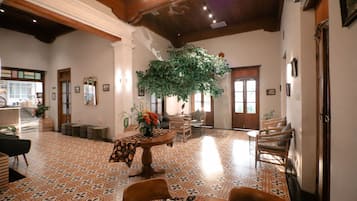
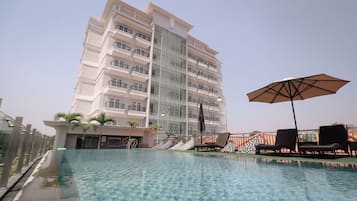

FIM by Zigna
Centro de la ciudad de Solo
9.4 de 10, Excepcional, (6)
“Fint hotel, veldig god frokost, god mat i restauranten, deilig basseng område. Bra parkering. ”

Frode




Front One Luxe Hotel Solo
Centro de la ciudad de Solo
$25 por noche
El precio actual es de $28
11 dic. - 12 dic.
Total con impuestos y cargos


Precio más bajo por noche encontrado en las últimas 24 horas, con base en una estancia de 1 noche para 2 adultos. Los precios y la disponibilidad están sujetos a cambios. Aplican términos adicionales.