![At the museum no photos are allowed which is really unfortunate as it was well worth the visit and the guided tour is definitely not to be missed. In the museum there are even Batik made from the Dutch era which depicts stories like Little Red Riding Hood and Snow White!
I enjoyed the tour v much and at the end of the tour we were brought to this room where the artisan were working on hand drawn batik.
Below is an excerpt from Wikipedia for anyone interested in learning more about the process of batik making.
Firstly, a cloth is washed, soaked and beaten with a large mallet. Patterns are drawn with pencil and later redrawn using hot wax, usually made from a mixture of paraffin or bees wax, sometimes mixed with plant resins, which functions as a dye-resist. The wax can be applied with a variety of tools. A pen-like instrument called a canting (IPA: [tʃantiŋ], sometimes spelled with old Dutch orthography tjanting) is the most common. A canting is made from a small copper reservoir with a spout on a wooden handle. The reservoir holds the resist which flows through the spout, creating dots and lines as it moves. For larger patterns, a stiff brush may be used. Alternatively, a copper block stamp called a cap (IPA: [tʃap]; old spelling tjap) is used to cover large areas more efficiently.
After the cloth is dry, the resist is removed by scraping or boiling the cloth. The areas treated with resist keep their original color; when the resist is removed the contrast between the dyed and undyed areas forms the pattern. This process is repeated as many times as the number of colors desired.
The most traditional type of batik, called batik tulis (written batik), is drawn using only the canting. The cloth need to be drawn on both sides and dipped in a dye bath three to four times. The whole process may take up to a year; it yields considerably finer patterns than stamped batik.
Source: Wikipedia](https://images.trvl-media.com/place/6224808/26fd1460-c65a-4c1a-9444-7a893e883ac9.jpg?impolicy=fcrop&w=1200&h=500&q=medium)















Top Solo City Centre attractions for a relaxing vacation
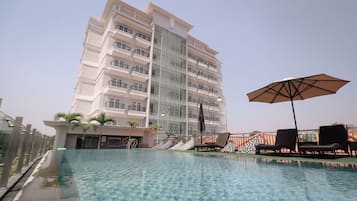
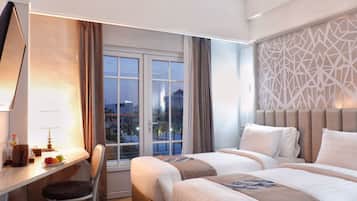
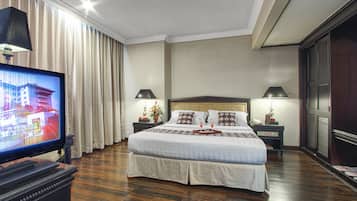
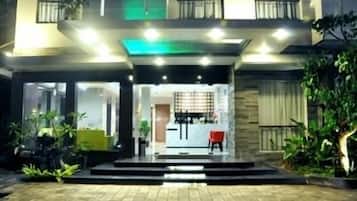
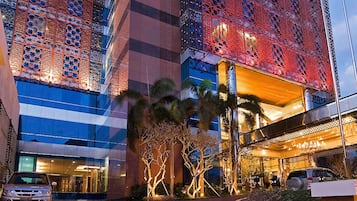
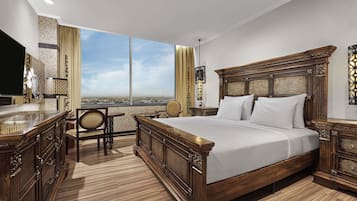
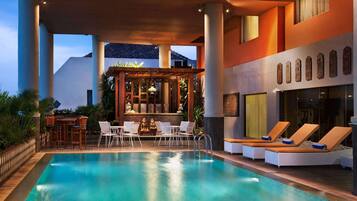
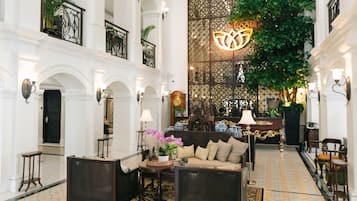
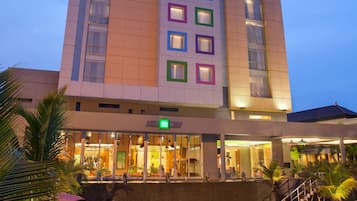
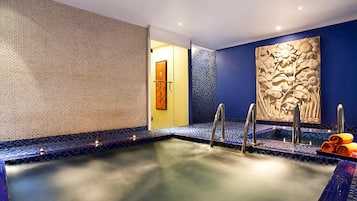
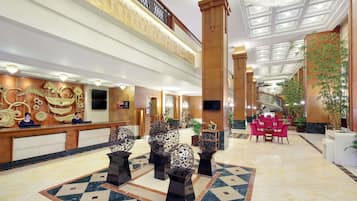
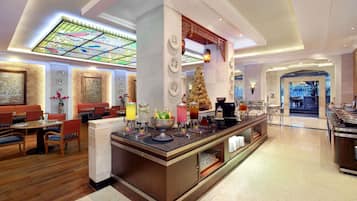
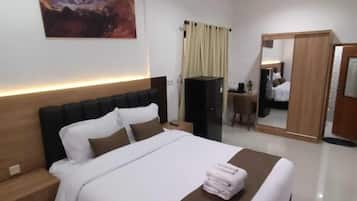
In the heart of Solo City Centre, travelers seeking the ultimate spa experience will find a blend of relaxation and cultural exploration. Begin your day with a visit to the vibrant Pasar Klewer, a bustling market known for its traditional batik fabrics and local handicrafts, where you can shop for unique souvenirs before indulging in a soothing massage at your hotel spa. Afterward, explore the serene grounds of the Mangkunegaran Palace, where the lush gardens offer a tranquil setting to unwind and reflect on the rich Javanese heritage. For families, the Solo Grand Mall provides a modern shopping experience with a variety of dining options, perfect for a leisurely afternoon. As the sun sets, the nearby Loji Gandrung serves as a picturesque spot for a casual stroll or an evening meal, allowing you to soak in the local atmosphere. Staying at a spa hotel in this area means enjoying luxurious amenities such as infinity pools and wellness treatments, coupled with attentive service that makes you feel pampered throughout your stay. Imagine ending your day with a rejuvenating spa session, followed by a peaceful night's sleep in a beautifully appointed room, making your Solo adventure both restful and memorable.