
The art of embracing summer in Maine
Rockland, Camden, and the islands in between, explored under sail at the unhurried pace of Maine’s earliest visitors.
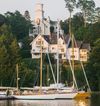
“Oh, we’re getting closer. Yuck,” said Tom Tassone, a fellow passenger, as the harbor slid back into view. Nobody disagreed. After three nights at sea, not one of the 30 guests onboard the Schooner Heritage was in a hurry to get back to land and real life again. We’d come from all over the country and turned into a kind of temporary family over the weekend, spending our days unplugged, eating well, and letting the salty air do the rest. It’s more or less the same reason people first started spending summers in Maine more than a century ago (though one assumes passengers of yesteryear didn’t expect Wi-Fi).
“Rusticators,” as they were called, were the first vacationers to the Pine Tree State and true pioneers in the art of summering along the wild and rugged coast of Maine. Starting in the late 1800s, these well-to-do city dwellers lodged in fishermen’s huts and farmhouses, and in later years, grand hotels. Many were lured by the painters of the day. Thomas Cole, Frederic Church, and the other Hudson River School artists had painted the Maine coast, Mount Desert Island above all, and their canvases pulled wealthy patrons up after them. Sailing was a favorite activity, so this past September, I joined a three-night sailing trip to get a taste of late summer, rusticator-style.
Rockland sits just a few hours north of Boston, making it an ideal long-weekend destination for anyone in the Northeast. We drove down from Upstate New York, parked at the shipyard, and moved into our home for the next few nights: the Heritage, a 95-foot schooner built right there in Rockland. After a jovial greeting from the deckhands and captains Sean Grimes and Ben Welzenbach, it was time to move into our pocket-sized cabins. My partner Dylan, at more than six feet tall, just barely fit in the bunk.
We’d lucked into a run of clear, mild September days. The foliage on the islands we passed was just starting to turn, and that first cup of coffee—sipped as I wore a thick knit sweater for warmth against the brisk ocean air—was the kind of cozy you can feel deep in your chest.
Letting the wind set the schedule

The Heritage runs on sail alone, no engine, so there’s no muscling past the conditions. “If you have a particular schedule, it’s going to go the opposite way because of the wind, tide, and weather,” Welzenbach told me from the wheel, by way of explaining our non-agenda agenda. Just as I was pondering how I’d make it through three days with no activities, Captain Sean called for help to raise the giant sails. Nearly everyone lined up—straight out of the gate, we were all harnessing our inner sailor.
A rhythm quickly set in. Meals were communal and homemade, prepared by Captain Sean and his fiancée, Beth, who ran the galley. We’d eat alfresco on the deck when we could, sitting elbow to elbow with strangers who became fast friends. We sailed past countless islands and lighthouses, plus a few curious seals. Some guests tucked into books while basking in the sunshine, while others borrowed dinghies to paddle to nearby uninhabited islands.
One night stood apart: an all-you-can-eat lobster bake cooked over a fire at dusk. We made landfall, wandered the trails through tall grass, and skipped rocks like kids before feasting on the beach. It was true back-to-basics Maine, and none of us wanted it any other way.
“It’s time for the hootenanny,” Grimes announced later that night, guitar already in hand. The captains played as we all sang along, feet tapping the ship’s deck.
But post-show, it was the sky’s turn to entertain. Anchored out in the bay, far from any light pollution, we watched the Milky Way arch over the masts. It was slow travel at its best, the kind where the whole evening is a deck and a sky.
Rockland, between the harbor and art
Though the trip was only a few days, the Maine experience of yesteryear need not end back on land. Rockland and neighboring Camden are easy to tack onto either end of the sail, and if you have more time, Acadia National Park is about two hours north. It’s a park whose creation is often traced, in part, to the same painters who drew the rusticators to the island in the first place.
In Rockland, start with coffee from Rock City Coffee Roasters and the bookshop tucked in the back, Hello Hello Books. Then, do what the rusticators did: look at art. The Farnsworth, open since 1948, is full of Maine art, inspired by the bays and coast you’ve just been admiring. A few doors down, the Center for Maine Contemporary Art shows work by Maine artists in a strikingly modern building. If art isn’t your thing, walk the Rockland Breakwater toward the 1902 lighthouse. It’s a granite jetty that runs nearly a mile straight out into the harbor and a rare chance to stand in the middle of the water without a boat under you.
For dinner, 13 Oak is the special occasion pick, while North Beacon Oyster is the more casual one, built around sharing plates. Don’t skip the haddock chowder or the fried calamari with sweet-and-spicy whipped feta.
Camden: a cove worth painting

Camden sits eight miles up the coast, tucked into a cove beneath Mount Battie, with Curtis Island Lighthouse marking the harbor entrance. Drive or hike to Battie’s summit in Camden Hills State Park for the view over town and Penobscot Bay, and you’ll understand the urge to start painting. Camden’s galleries are also worth an afternoon, especially the Small Wonder Gallery for prints and sculptures inspired by the landscape.
For a glass, Cellardoor Winery, a few miles north in Lincolnville, pours its own bottles from an actual Maine vineyard—not something the climate makes easy, which is half the fun. Back in town, the Vintage Room tucks you into a small, low-lit space built around wine and craft cocktails. It’s the kind of spot that makes a slow dinner feel like the plan rather than the afterthought. And there’s one rule no one should break: dessert should be a cone from River Ducks Ice Cream, because no Maine summer day should end any other way.
I’m not usually very good at slowing down. Generally, I try to wring every ounce of activity out of a trip. While three nights on a boat probably won’t change that, there’s something to being out there with no Wi-Fi and no decision bigger than which side of the deck to sit on. The rusticators were onto something. The whole weekend felt like an older, slower version of a vacation, pleasantly quiet enough to catch the parts that fly by you on most vacations. It captured the kind of getaway most of us still chase: different enough to reset, but close enough to make going on it a breeze.

Places to stay
Maine

Go further with the Expedia app
