“Ikebukuro. Hostel-level pricing, 24-hour cafe, and a location near Ikebukuro station. The budget pick that works because the neighborhood has good transit connections and less tourist congestion than Shinjuku or Shibuya.”
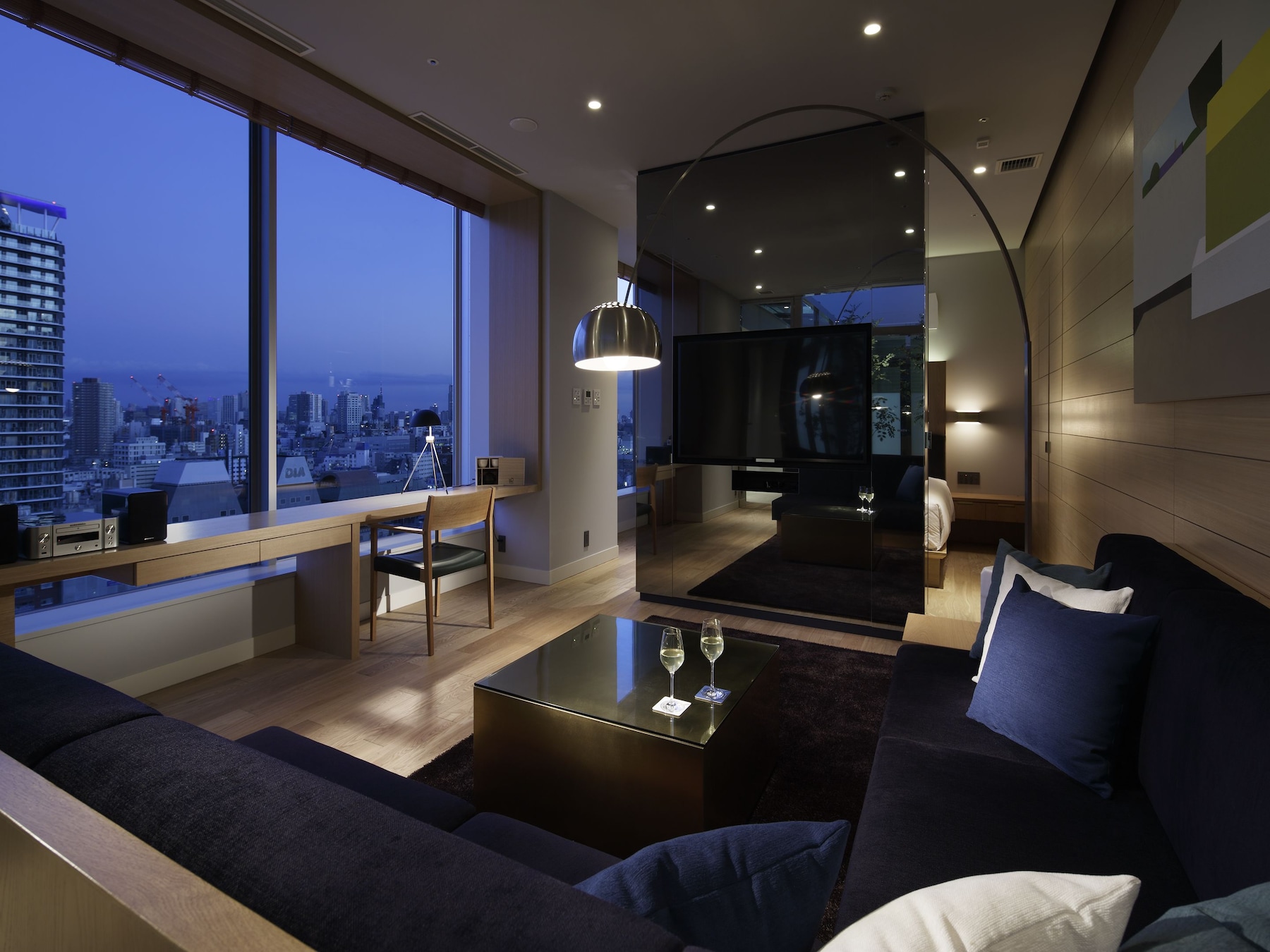
“Kabukicho, Shinjuku. Design-forward for its price point, with a rooftop bar and individually styled rooms. You're in the middle of Shinjuku's neon chaos, which is either the point or the problem depending on what you want.”
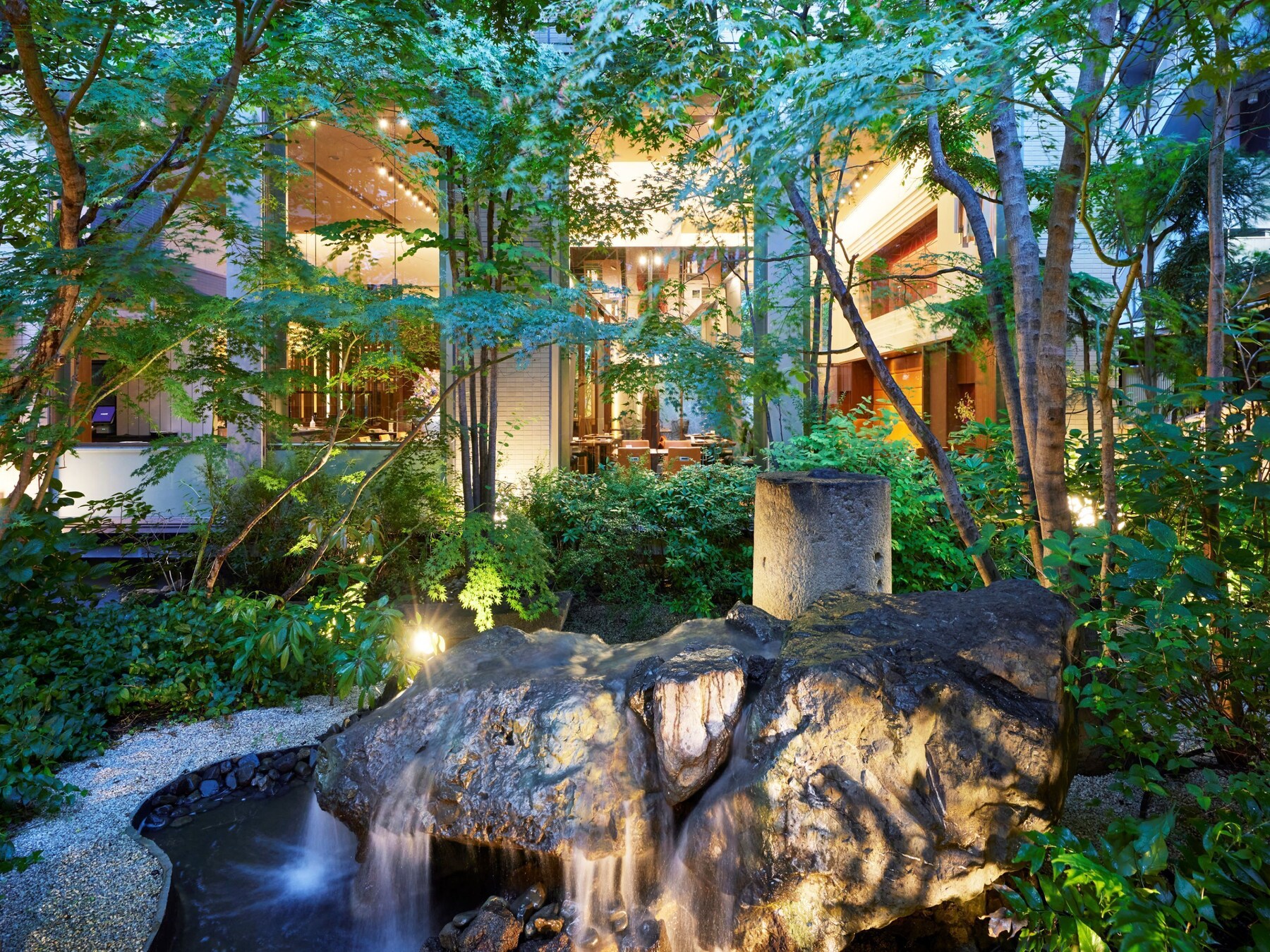
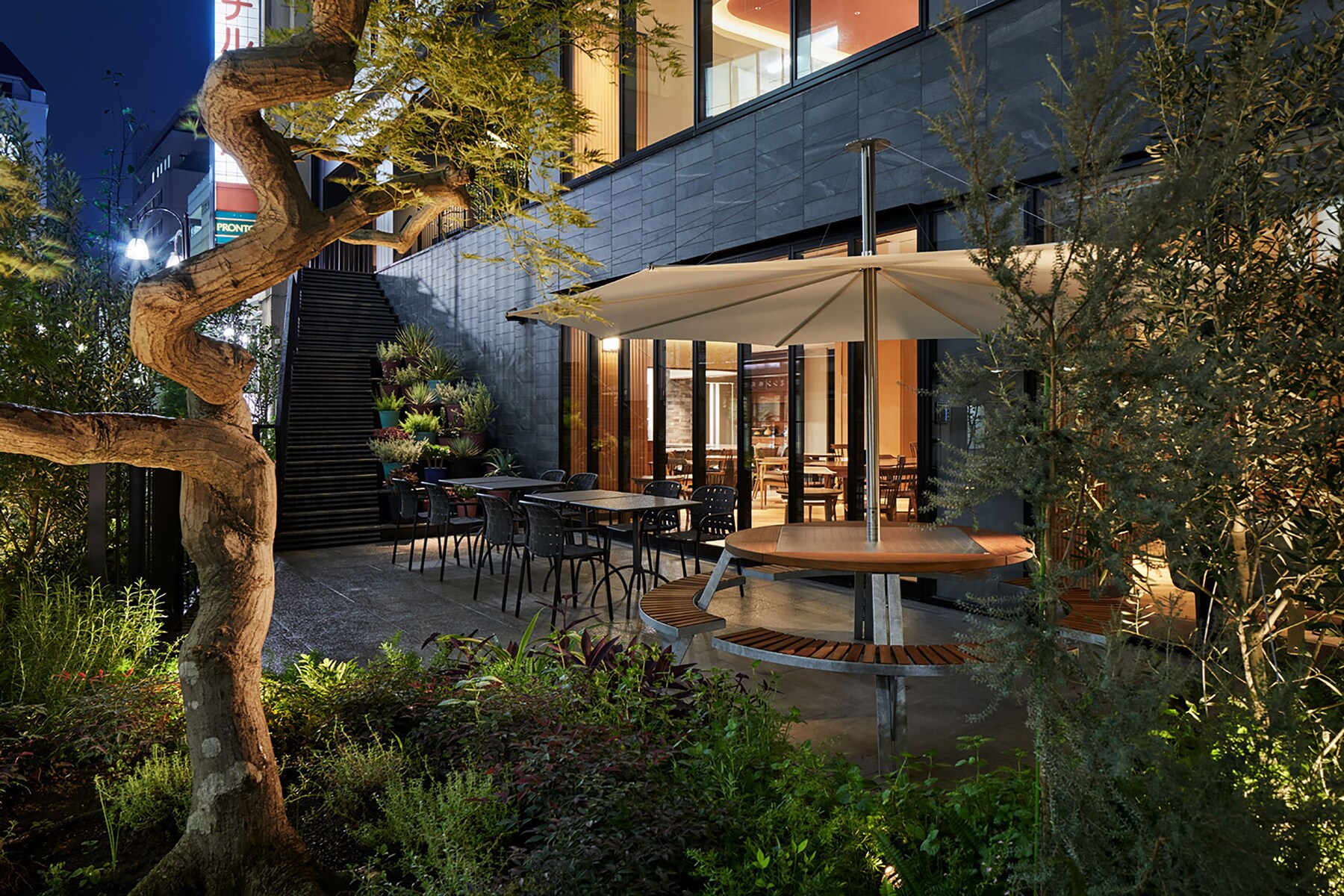
“Kanda, near Tokyo Dome. Mid-range hotel with a genuinely serene atmosphere with garden views, spa bathtubs, and free massage chairs in the lobby. Two Japanese restaurants on-site. Near the Jimbocho antiquarian bookstore district, which your readers will appreciate.”
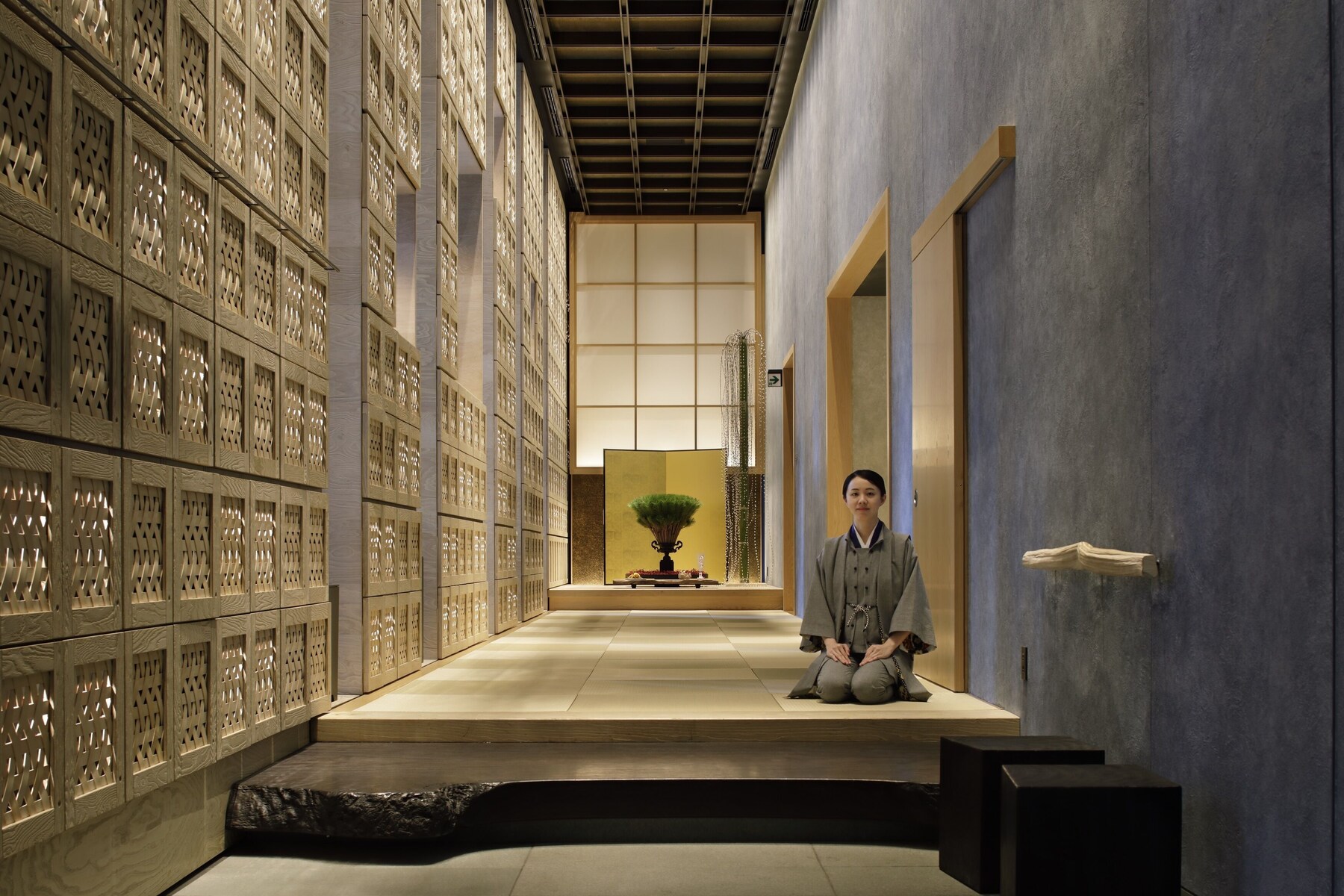
“Otemachi, walking distance from Tokyo Station. An urban ryokan inside a 17-story tower clad in latticed metal. 84 rooms with tatami flooring, shoji screens, and bamboo closets. Rooftop onsen. You leave your shoes at the entrance. The closest thing to a countryside inn experience without leaving central Tokyo.”
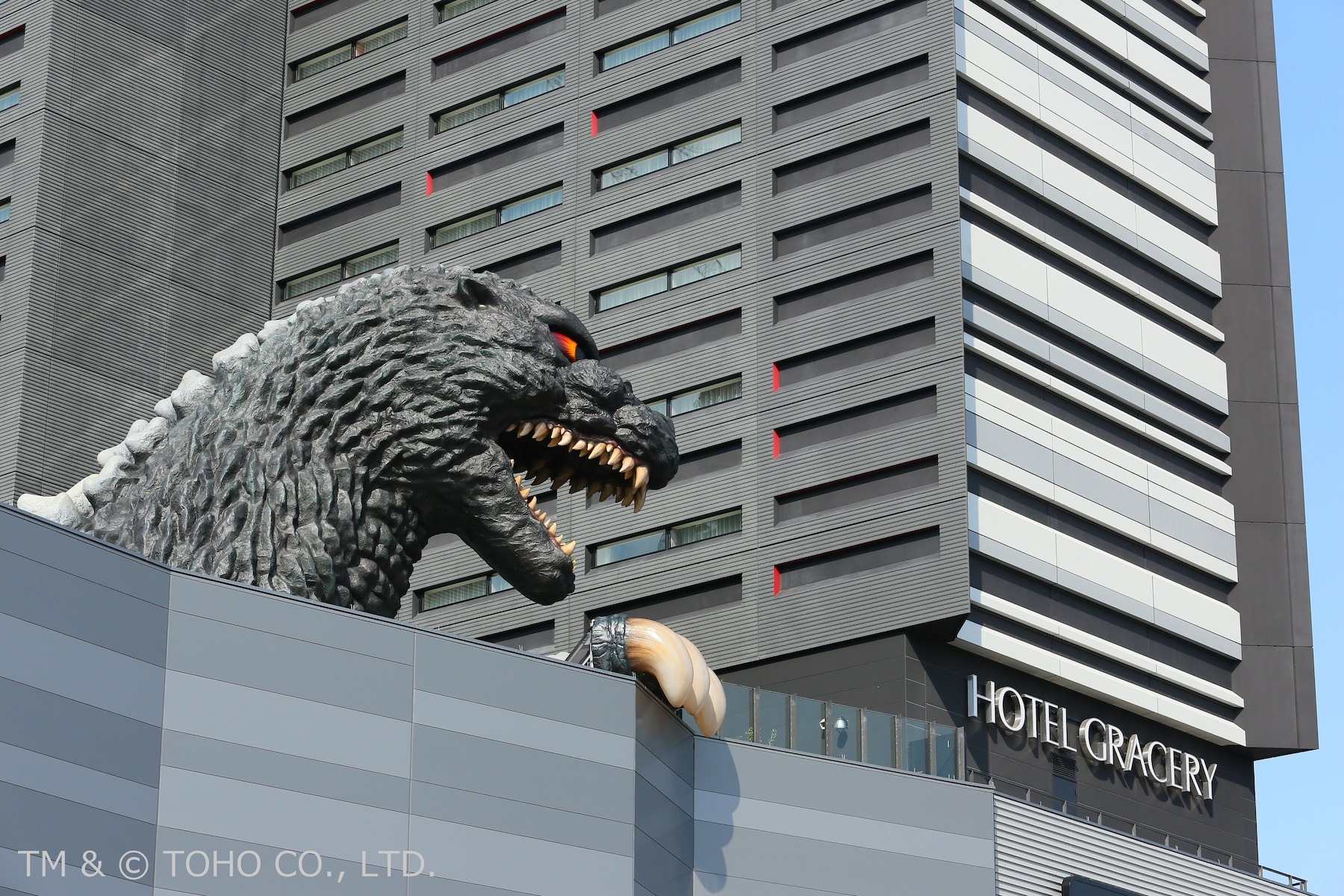
“Kabukicho, Shinjuku. The one with the life-sized Godzilla head on the terrace. Mid-range pricing, modern rooms, and a location that puts you at the center of Shinjuku station's orbit. Not subtle, but practical and well-run.”
“Shibuya, on Cat Street between Harajuku and Omotesando. A "socializing" hotel — their word — with two restaurants, a cafe, and a grocery on-site. 15 rooms, individually designed. The location is the draw: you're in the middle of Tokyo's most interesting pedestrian shopping street and a short walk from Yoyogi Park.”
“Toranomon. Originally built ahead of the 1964 Olympics, demolished controversially, and rebuilt in 2019 for a billion dollars. The lobby is a painstaking recreation of the 1960s original, and the reason architecture people make the trip. Two towers, five restaurants, and a free on-site art museum.”
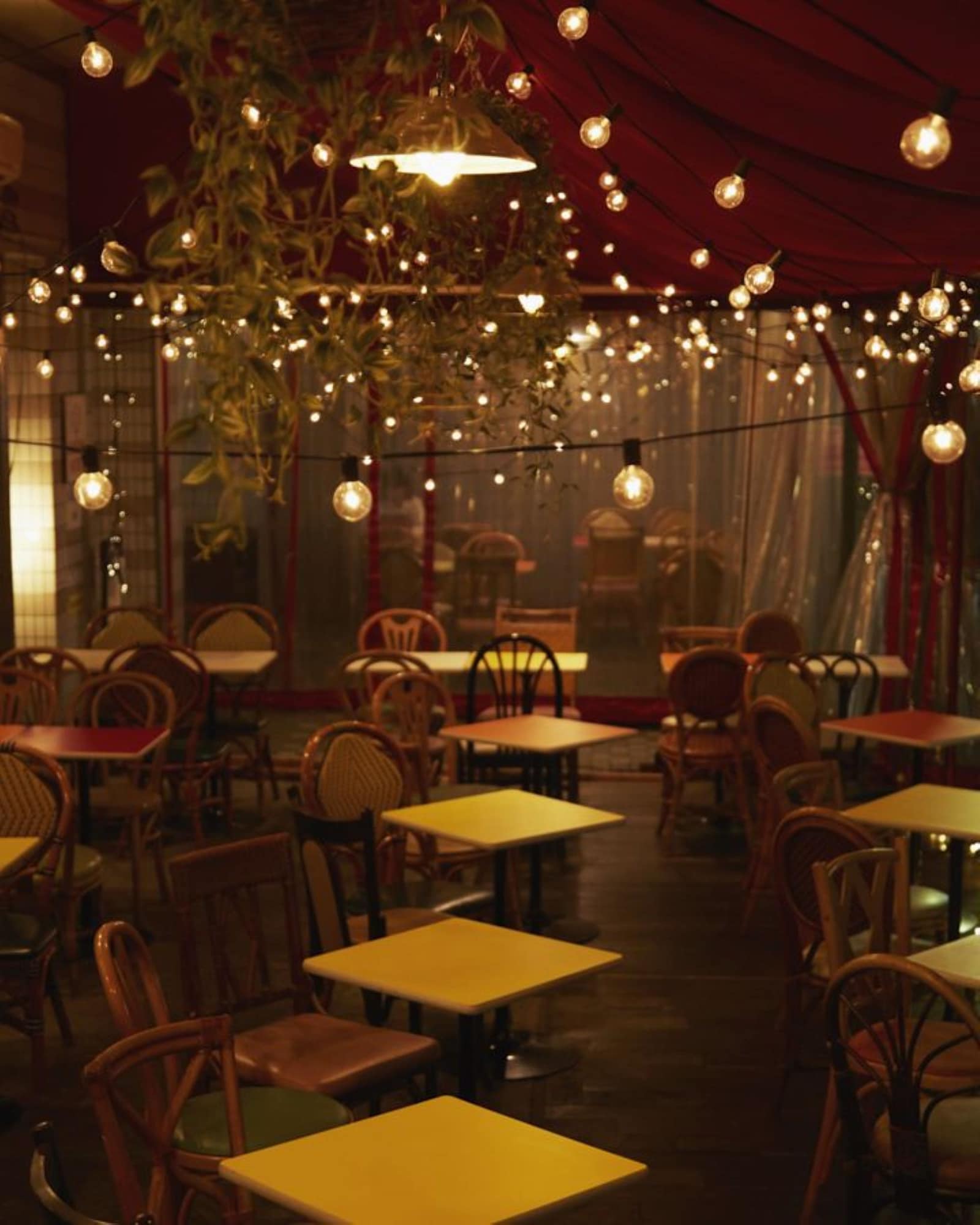
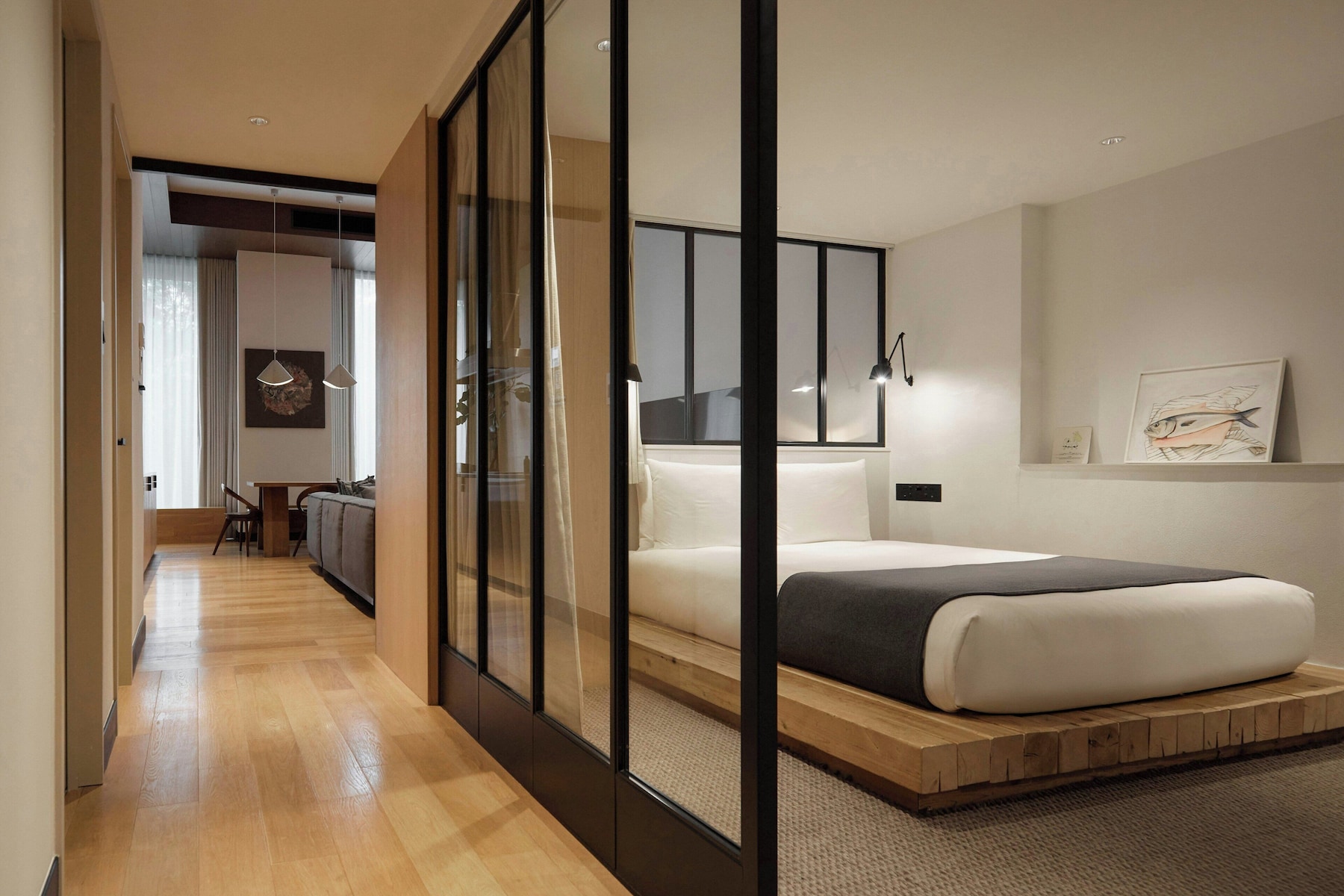
“Ueno, near Ueno Park. 130 individually furnished rooms. Bistro NOHGA sources ingredients from neighborhood shops the staff know. Bike rentals and a 24-hour gym. The hotel that treats its neighborhood as an amenity.”
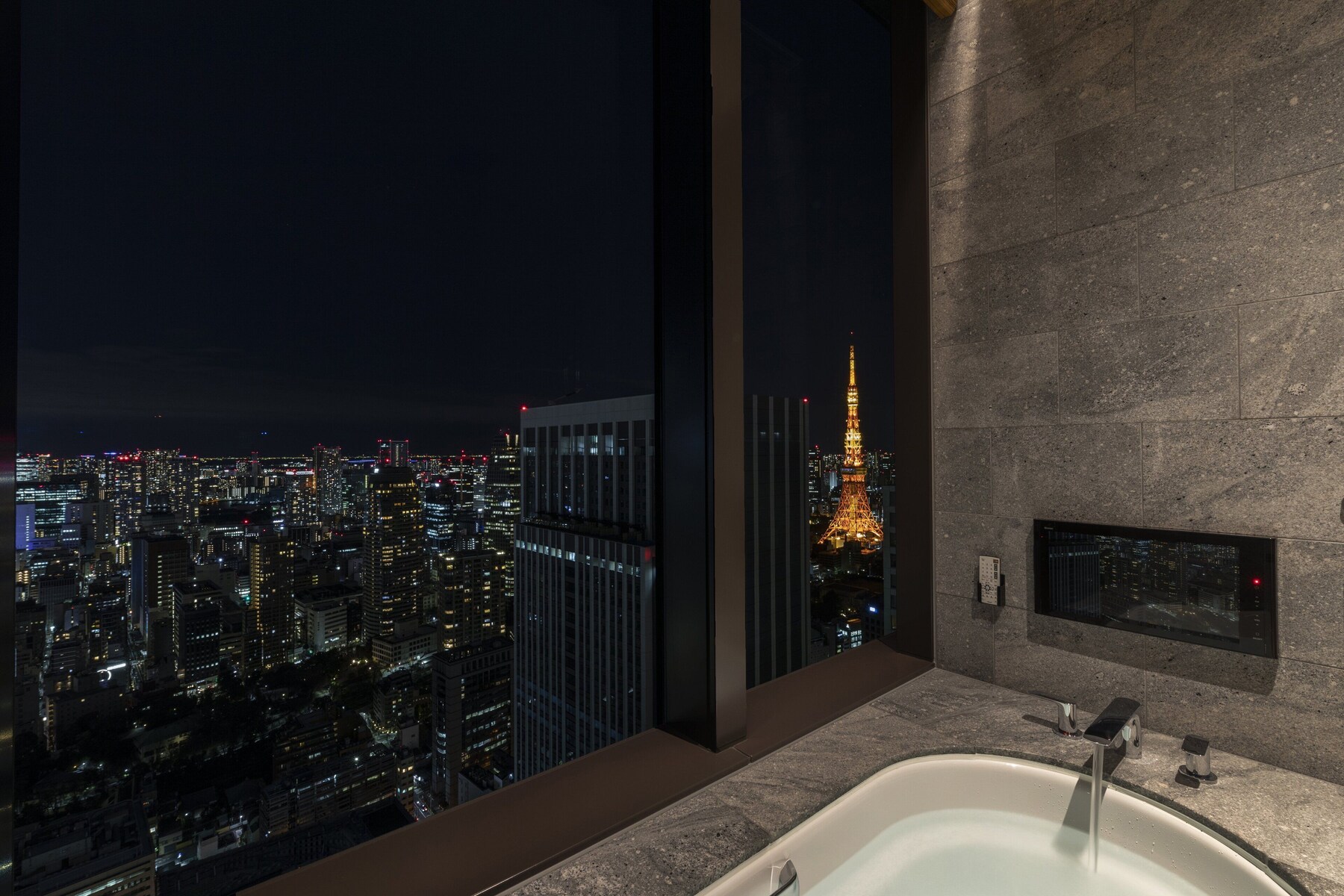
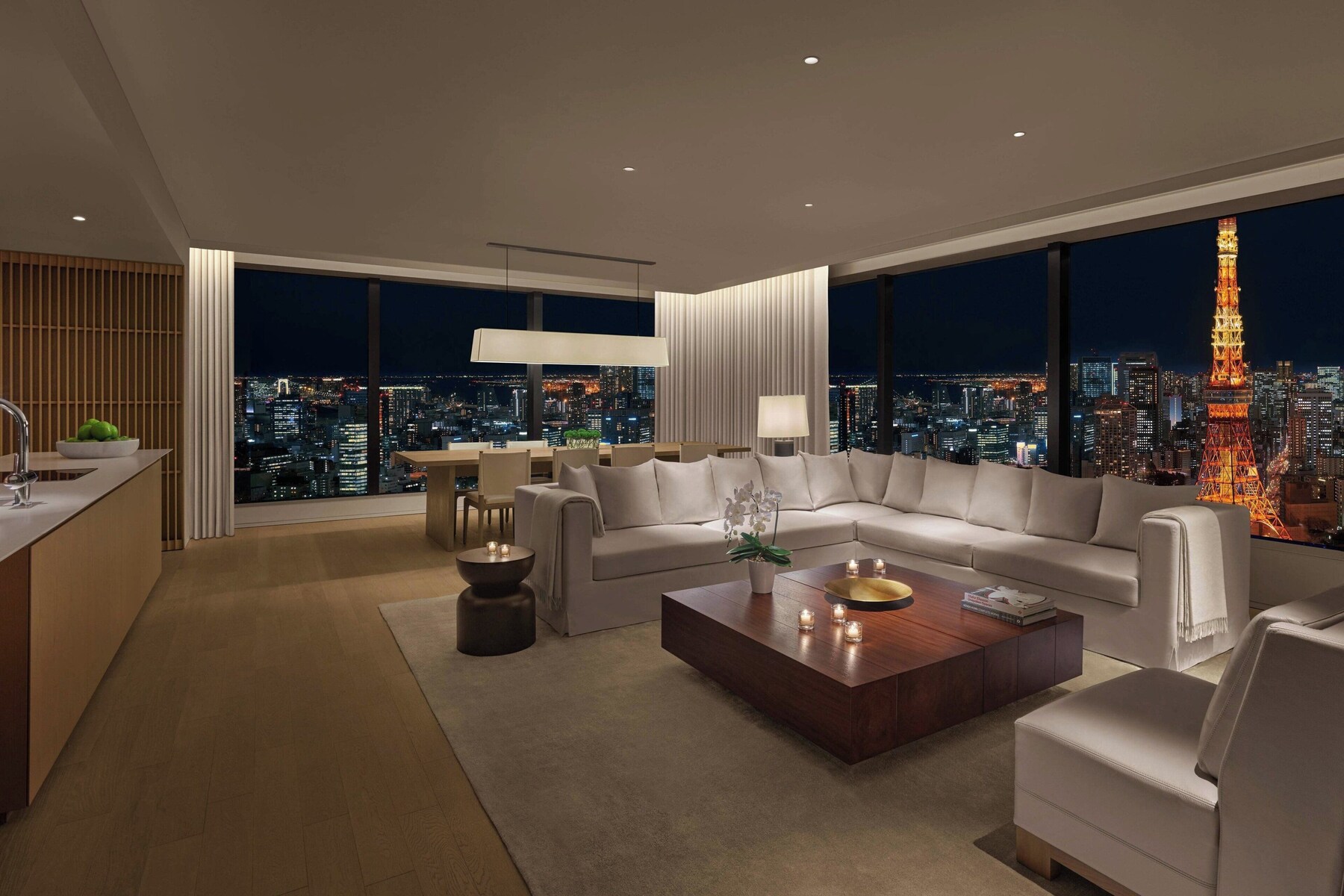
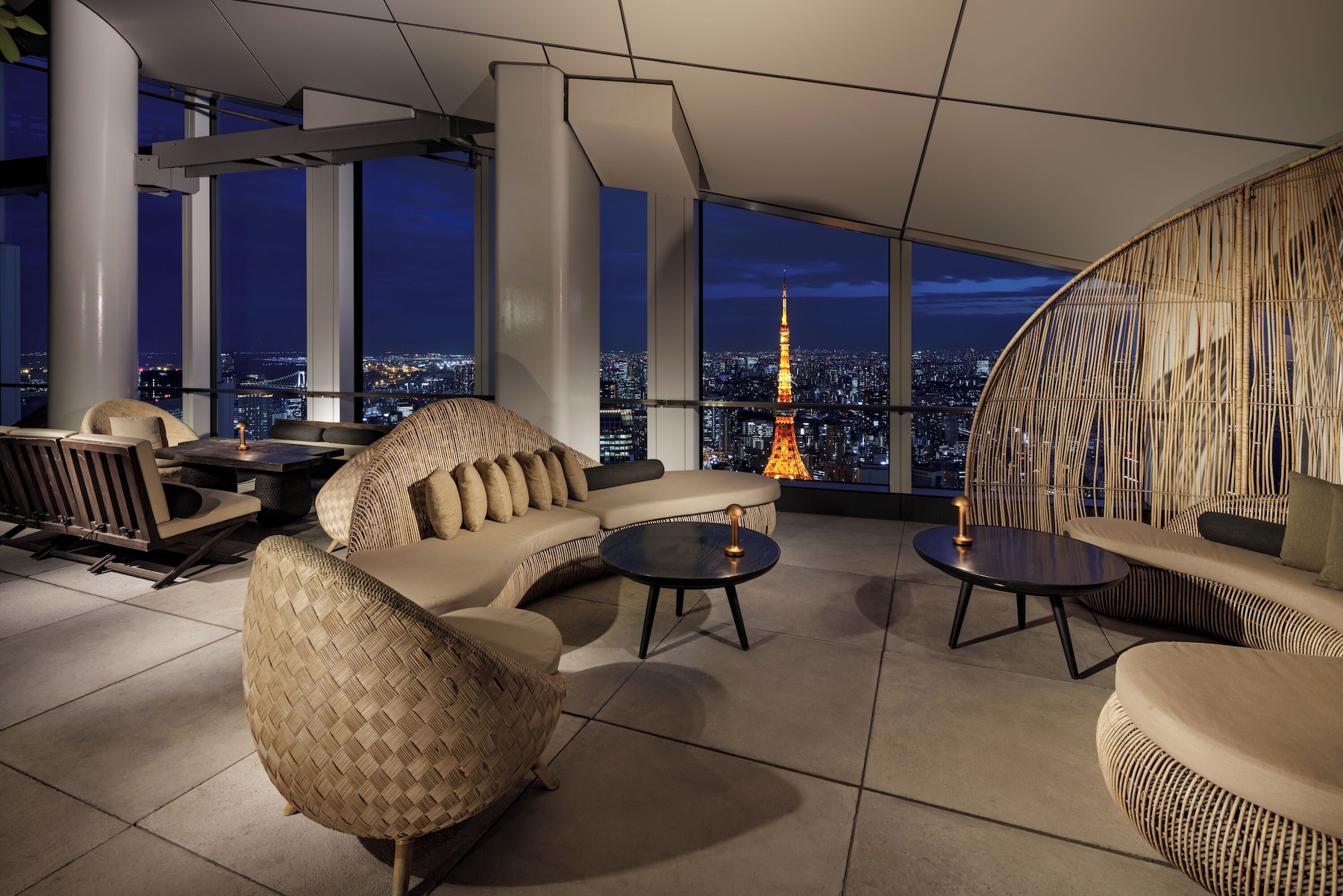
“Toranomon. Ian Schrager and Marriott. 206 rooms with direct views of Tokyo Tower and the bay. Two restaurants, a spa, and an indoor pool. Newer entry to the Tokyo luxury market, aimed at people who find the heritage hotels a bit stiff.”
“Toranomon. Hyatt's lifestyle brand, occupying upper floors of the Toranomon Hills tower. Rooftop bar on the 50th floor with electric blankets and city views. Complimentary evening wine. The rooms are large by Tokyo standards and the staff operates with less formality than the heritage hotels, which is deliberate.”