

MAJESTIC LAND SHAPED BY TIME AND ANCESTRAL TALES
About
A land of Pueblo art and roadside neon
For its first 11 years, Route 66 took the long way through New Mexico. It ran north from Santa Rosa up to Santa Fe, then back south to Albuquerque, a detour that added close to 100 miles. In 1937, the state straightened the whole thing into a single east-west line, and Santa Fe lost the highway overnight.
That new line ran down Central Avenue in Albuquerque, 18 miles of it, and the motels and neon signs that went up along the way are still standing in places. West of the city, the road passes Laguna Pueblo, crosses the Continental Divide near Grants, and reaches Gallup, where a 1936 hotel put up the film crews shooting Westerns in the red rock nearby.


Roadside stories
Carvings
that are still
sacred today
A 15-minute ride
to 10,378 feet
A 1965
motor court
on Central
A trading
post turned
motor lodge
Where
Hollywood stayed
in Gallup
Stretch your legs

Carvings
that are still
sacred today
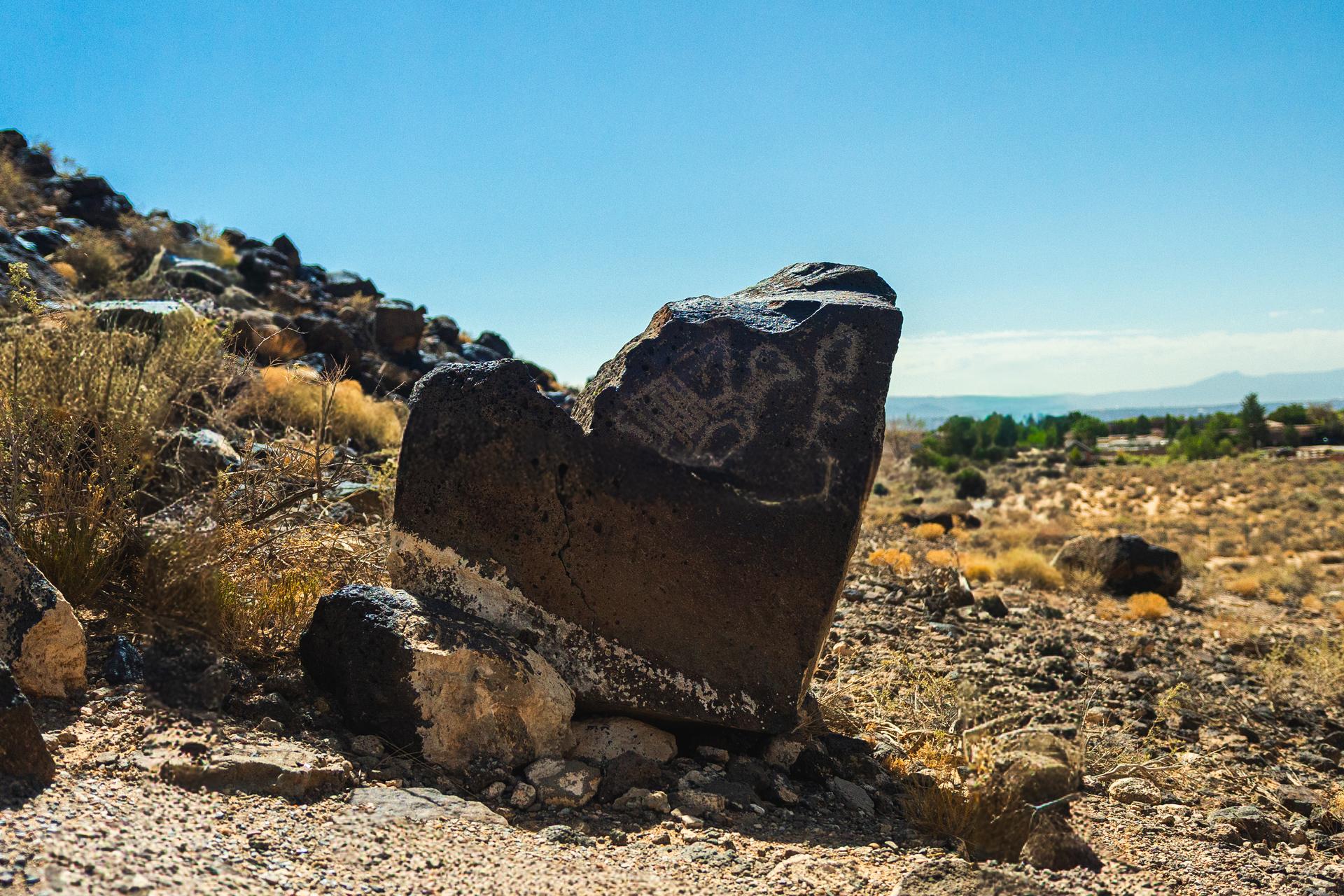
Petroglyph National Monument
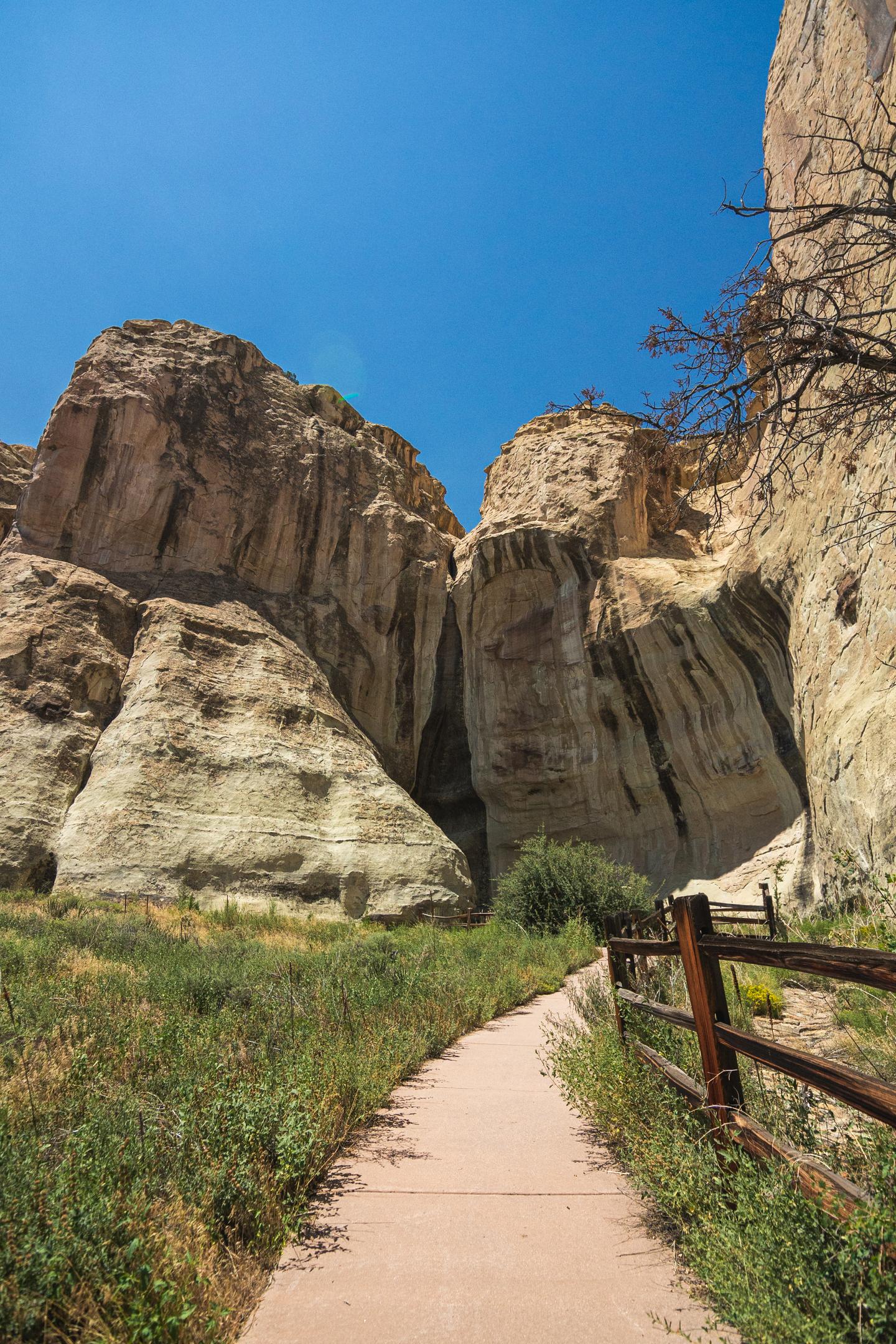
On Albuquerque's West Mesa, a 17-mile ridge of black basalt marks where lava once spread from a line of dormant volcanoes. Into those boulders ancestral Pueblo people carved some 24,000 images, most between 400 and 700 years ago, with crosses and livestock brands added by Spanish settlers. It's one of the largest petroglyph sites in North America, and many of the figures remain sacred to today's Pueblo communities. Trails at Boca Negra, Rinconada, and Piedras Marcadas canyons lead past them.
A 15-minute ride
to 10,378 feet
Sandia Peak Tramway
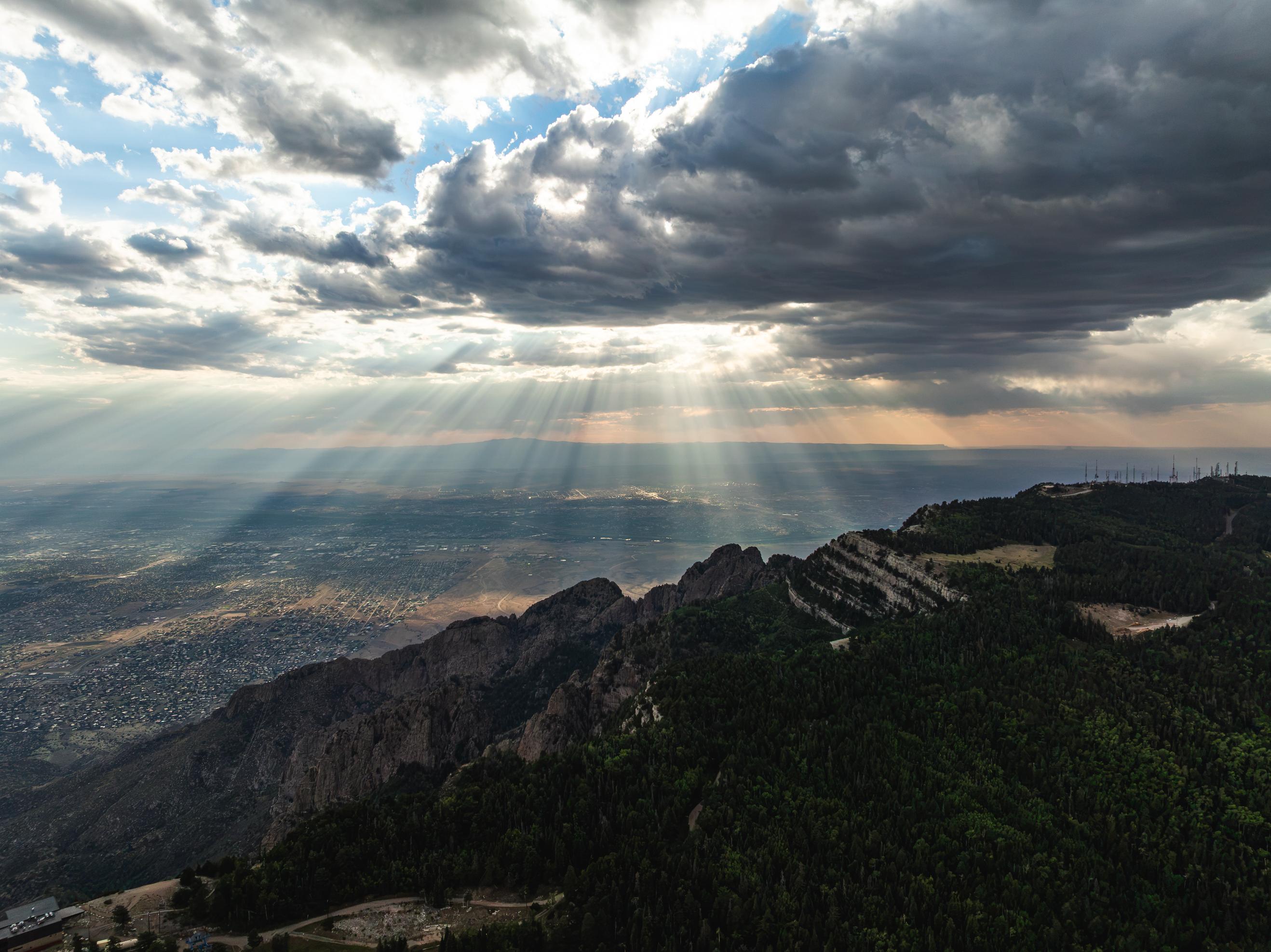
On Albuquerque's eastern edge, the Sandia Peak Tramway climbs 2.7 miles from the desert foothills to 10,378 feet in the Sandia Mountains, making it the longest aerial tram in the US. The 15-minute ride crosses a deep canyon and passes through four natural zones, from piñon and juniper to spruce and fir higher up as the city shrinks below. On a clear day, the top has panoramic views of more than 11,000 square miles, and the La Luz and Crest trails run from there through the Cibola National Forest.
A 1965
motor court
on Central
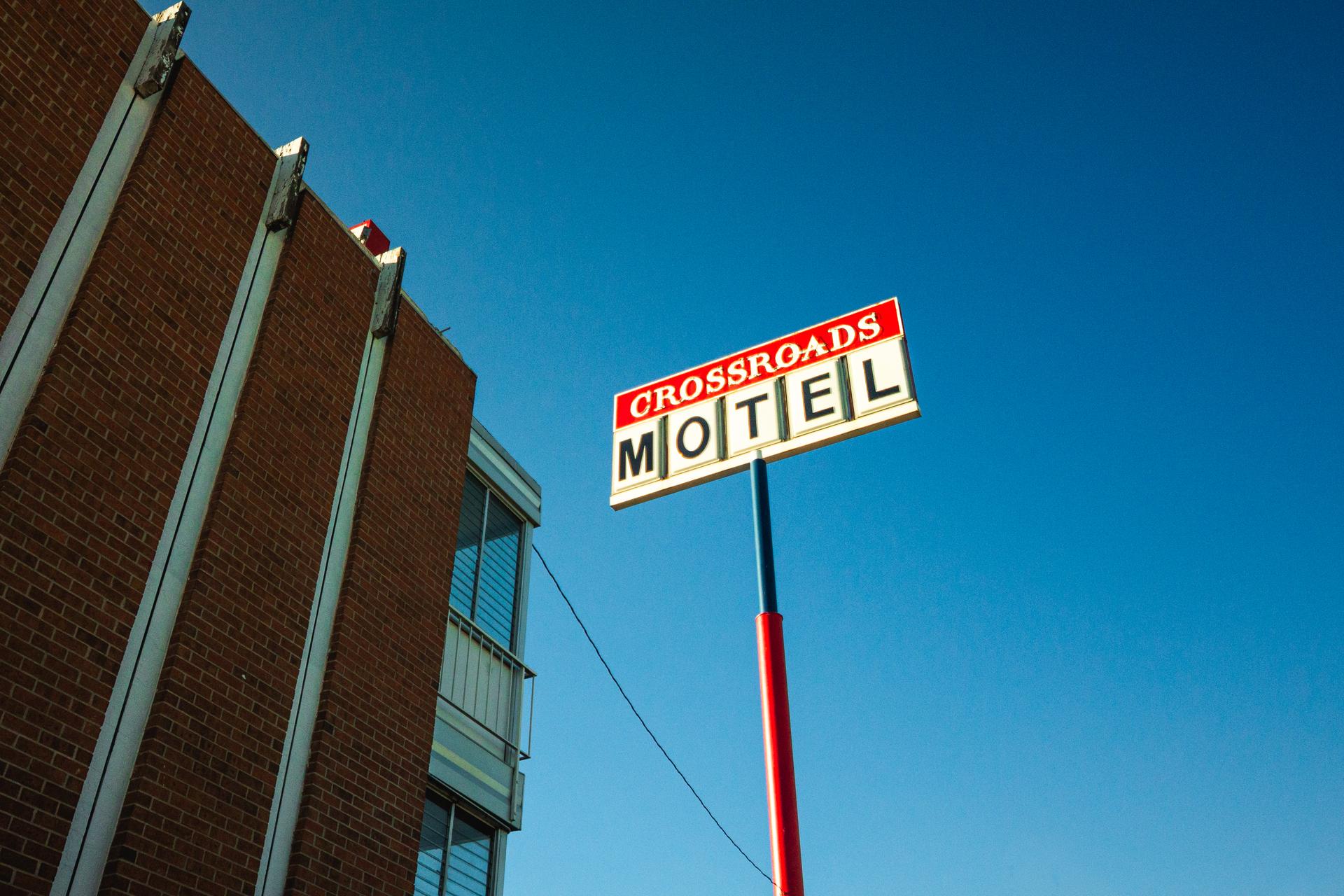
Crossroads Motel
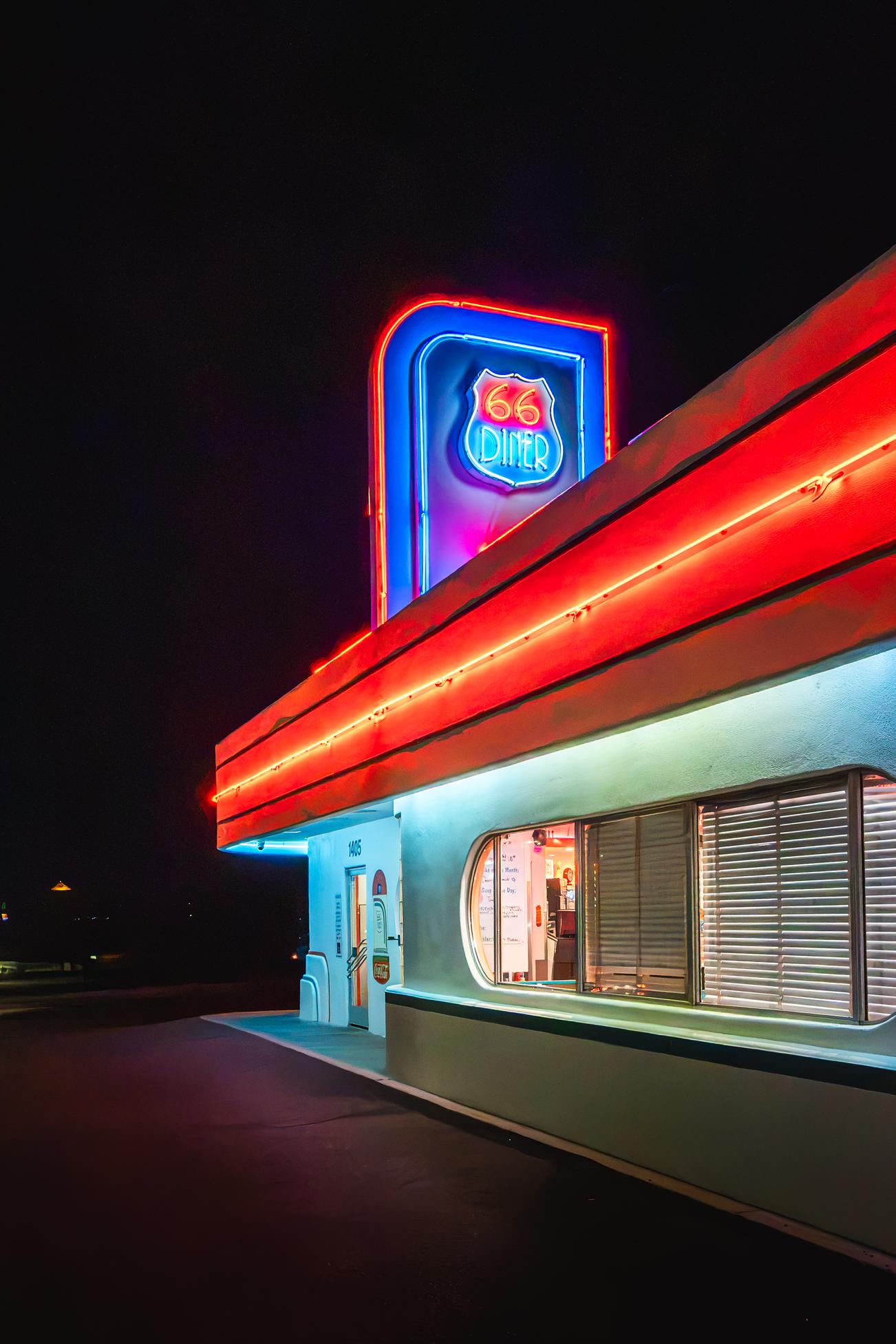
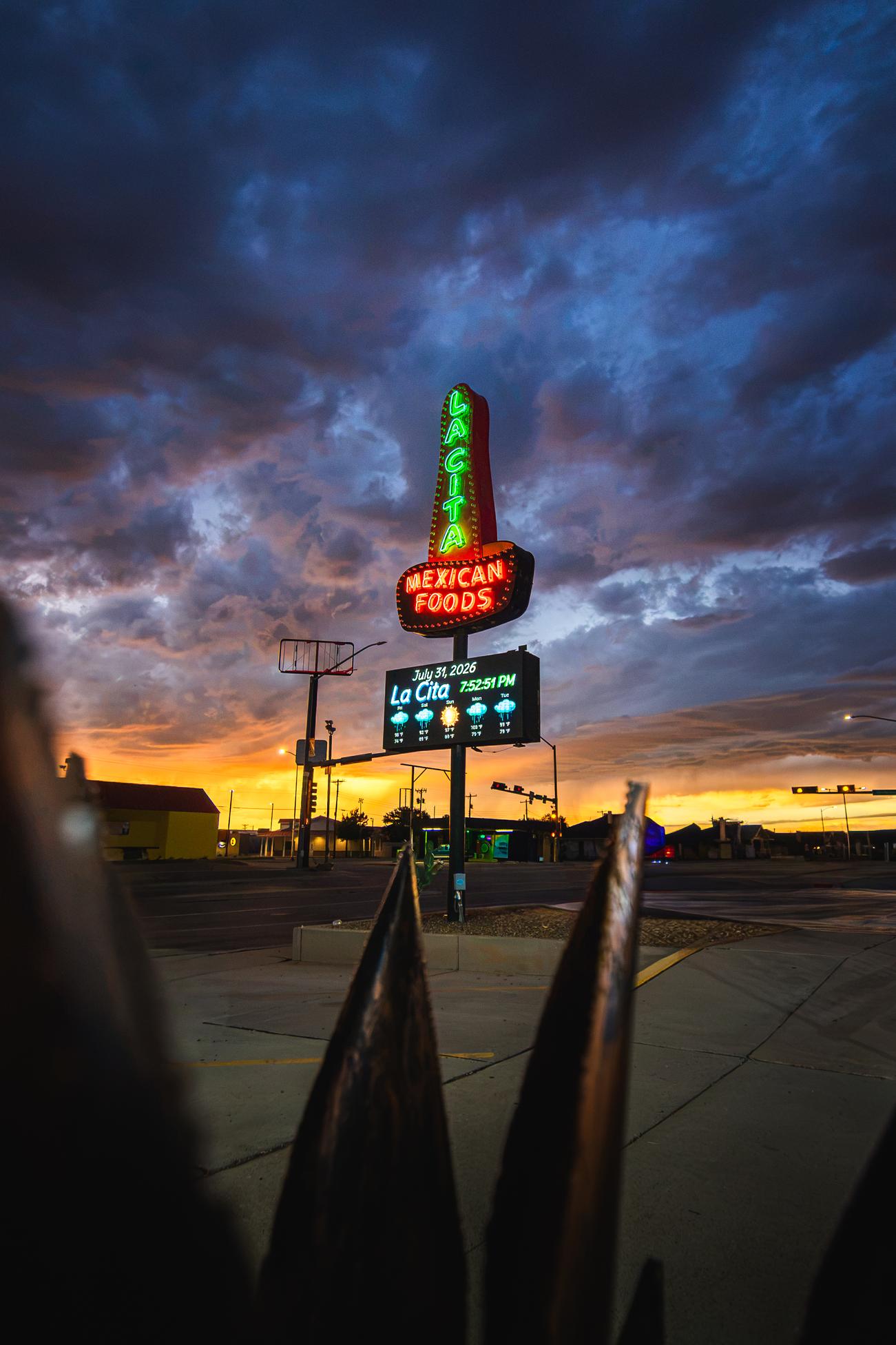
This two-story motor court opened on Central Avenue, Albuquerque's stretch of Route 66, in 1965, and its neon sign and worn courtyard later made it a recurring backdrop on Breaking Bad, where Hank nicknamed it the Crystal Palace and used it to show his nephew the grip of addiction. A working motel for 60 years, the Crossroads went up for sale in 2025; the sign still stands where Central meets I-25, a marker of the road's motel-row past.
A trading
post turned
motor lodge
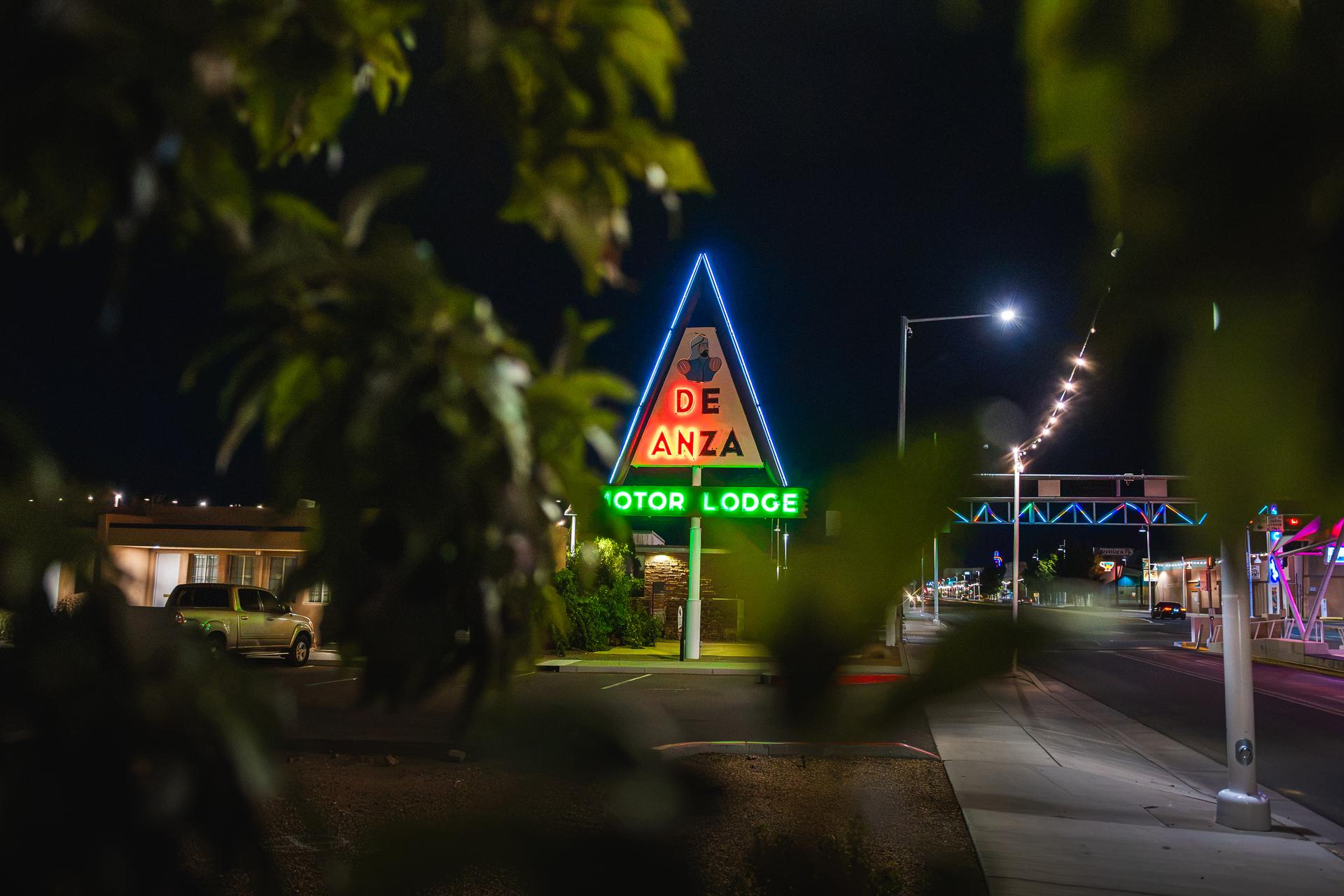
De Anza Motor Lodge
Charles Wallace dealt in Zuni jewelry and pottery, and in 1939 he built this motor lodge and trading post on Central Avenue, Albuquerque's Route 66, hung with Native American art. In a basement room, Zuni artist Tony Edaakie painted a series of murals of the Shalako, a sacred Zuni ceremony held at the winter solstice. The motel closed, and most of it came down in 2017, but the redevelopment kept the neon sign and the murals, shown only rarely to outsiders, only with a Zuni member present.
Where
Hollywood stayed
in Gallup
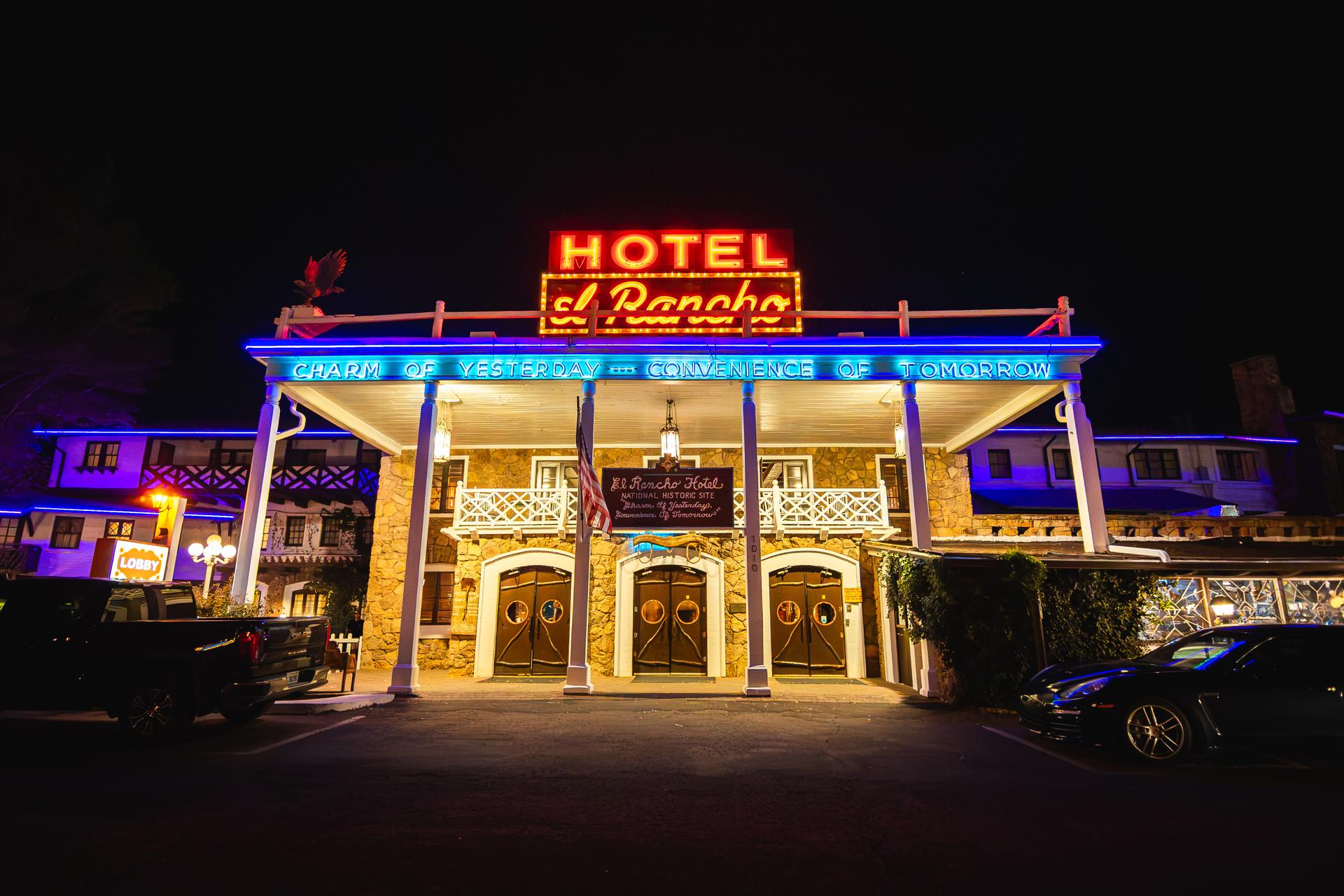
El Rancho Hotel
Built in 1936 along Route 66, Gallup’s El Rancho Hotel still carries the swagger of its nearly 100-year-old Hollywood heyday. John Wayne, Katharine Hepburn, Spencer Tracy, and other stars stayed here while filming Westerns nearby, and their photos line the hotel’s walls. Stop for New Mexican fare at the Silver Screen Café or margaritas and star-inspired cocktails at the 49er Lounge, where legend says Wayne once rode in on horseback. You don’t need to be a guest to explore the memorabilia-filled public spaces.


Detour
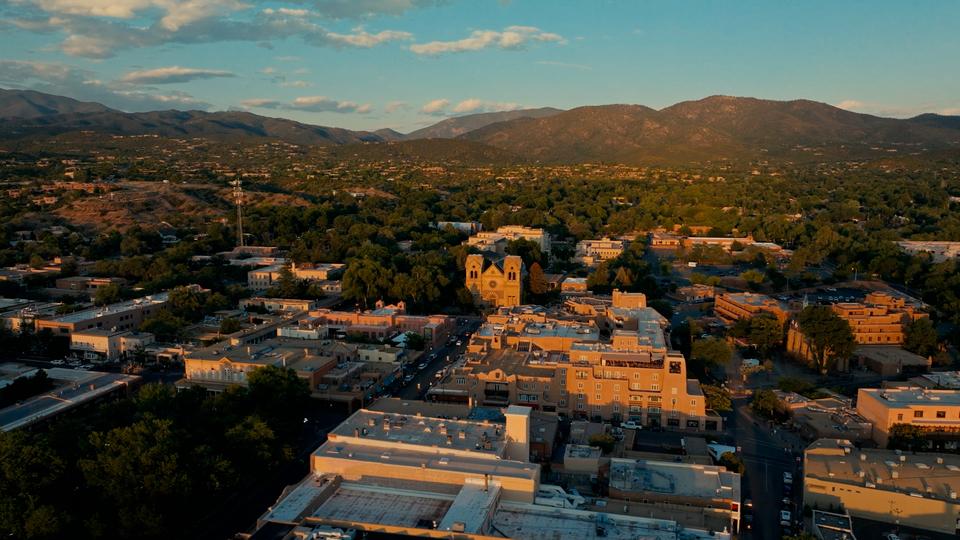
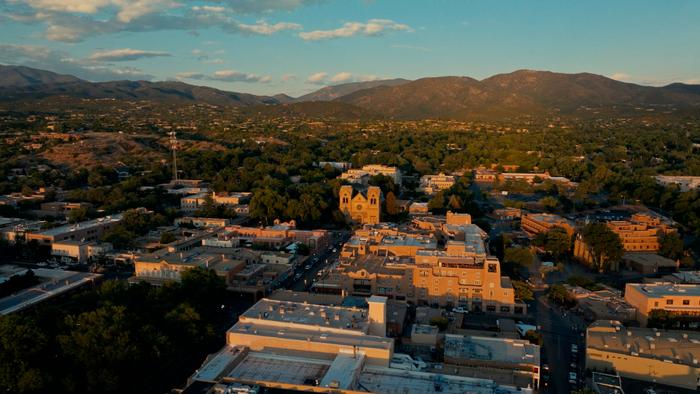
Santa Fe
Santa Fe is the oldest state capital in the country and it maintains its low adobe architecture and streets that follow old footpaths. The plaza has been the middle of town for 400 years and is still a gathering place for Indigenous artists selling traditional wares under the portal, galleries down the side streets, and restaurants where the first question is whether you want your Chile red, green, or Christmas.

Detour
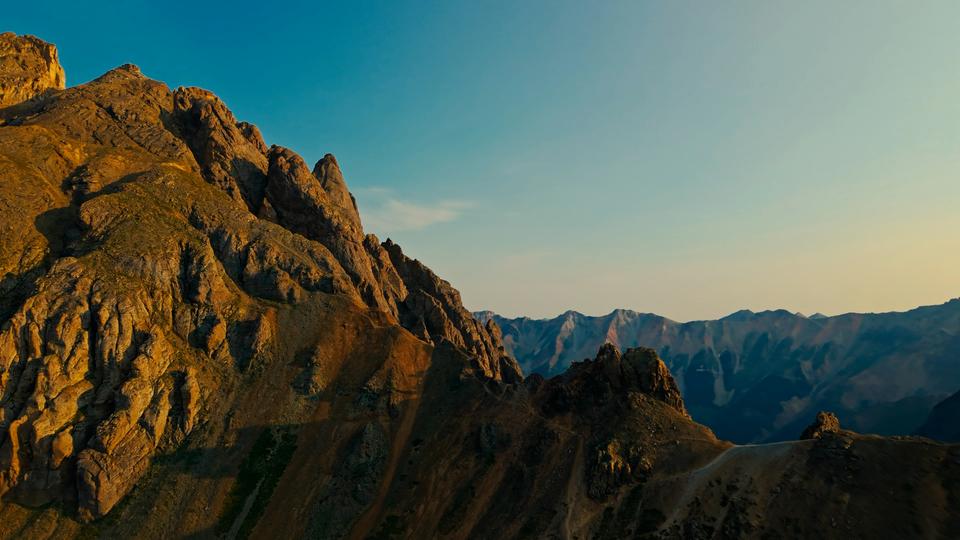
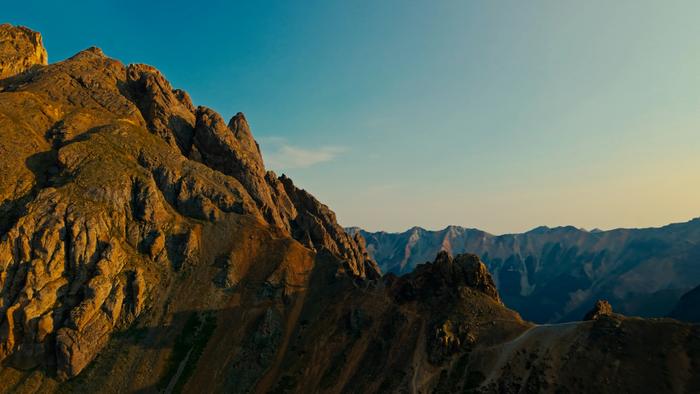
Durango
Durango is a former mining town in southwest Colorado, with a steam train that's run to Silverton since 1882 through the Animas River gorge. In town, a saloon inside an 1887 hotel has ragtime piano most nights, and a diner on Main Avenue hand-grates its hash browns and buries them in green chile made over in Ignacio.
