

HISTORIC ROADS
WHERE
THE GREAT
JOURNEY
BEGINS
About
A state built by the railroad
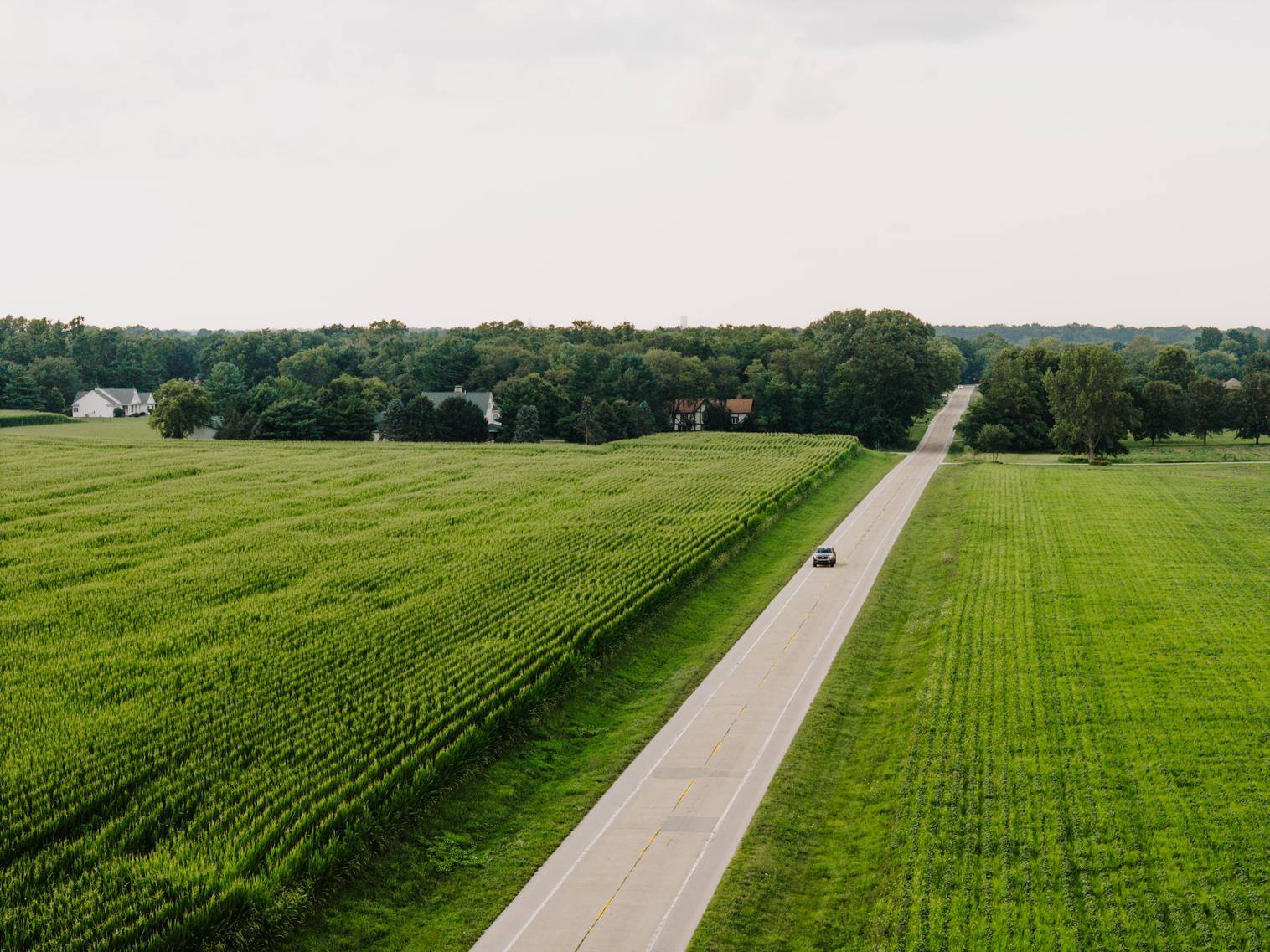
Route 66 was designated in 1926, and in Illinois it mostly followed roads that were already there, stitching together grain towns the railroad had built a generation earlier. The new road changed the towns. Gas pumps, motor courts, and diners went up along the pavement, and towns like Pontiac and Wilmington began catering to people passing through.
A century later, much of that pavement is still drivable, often running alongside I-55 as a frontage road. The Gemini Giant, the fiberglass spaceman who stood outside a Wilmington drive-in for decades, was restored and reinstalled in a park a mile down the road in 2024. Springfield has a museum about what the drive was like for Black travelers. The state's stretch still ends the way it always has, at the Chain of Rocks Bridge over the Mississippi that's now designed for cyclists and pedestrians.


Roadside stories
A living
memorial
to Lincoln
From journalist
watering hole
to jazz bar
Never call it
a corn dog
The man
who founded
Chicago
A block
from where
66 begins
Stretch your legs

A living
memorial
to Lincoln
Lincoln Memorial Garden and Nature Center
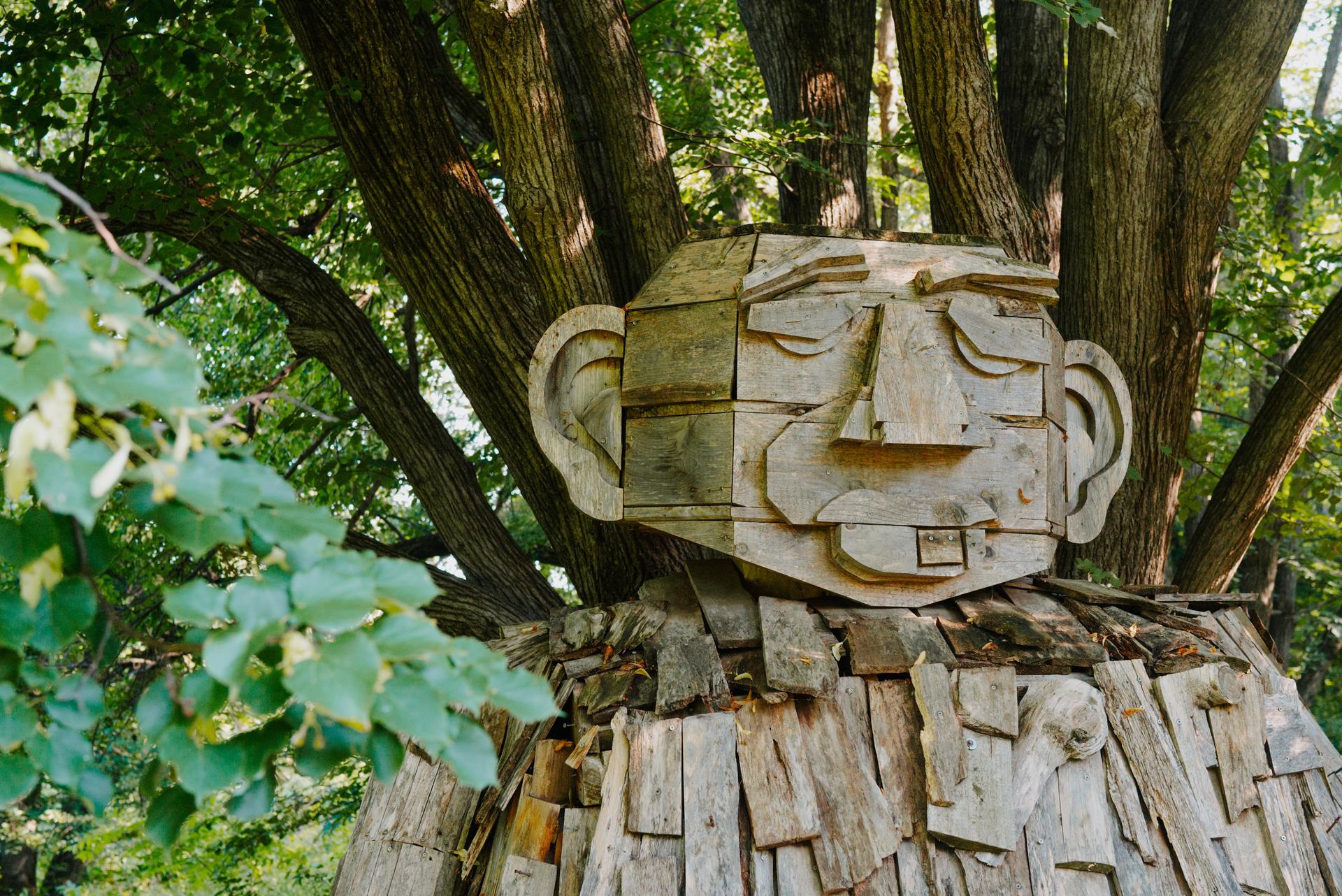
Landscape architect Jens Jensen laid out this living memorial to Abraham Lincoln in 1936 on the wooded south shore of Lake Springfield. Working in the Prairie style, he used native oaks, prairie grasses and wildflowers instead of formal beds, so the 100-acre preserve—and location on the National Register of Historic Places—shifts with the seasons. Six miles of wood-chip trails lead to the water, and the nature center explains what you're walking through.
From journalist
watering hole
to jazz bar
Andy’s Jazz Club
Just off the Magnificent Mile, Andy's Jazz Club opened in 1951 as a watering hole for Chicago's newspaper workers. Live music arrived in 1977 with informal lunchtime sets, staged with little lighting or amplification, and the room now books jazz seven nights a week. Tables crowd close to the stage where trumpets, saxophones, and upright bass fill the low-lit space. The calendar runs from swing to vocal jazz, an atmospheric introduction to the music culture of Route 66's starting city.
Never call it
a corn dog
Cozy Dog Drive In
The Cozy Dog is a battered, deep-fried hot dog on a stick, and this Springfield drive-in is where it got its name. Call it a corn dog and the family that makes it will gently correct you. Ed Waldmire worked out the recipe at the Amarillo airfield during the war; back home, his wife Virginia named it and drew its logo, a pair of hot dogs in love. It opened on Route 66 in 1949, and the Waldmire's still fry them on 6th Street beside a Lincoln silhouette saved from the motel that once stood here.
The man
who founded
Chicago
DuSable Black History Museum
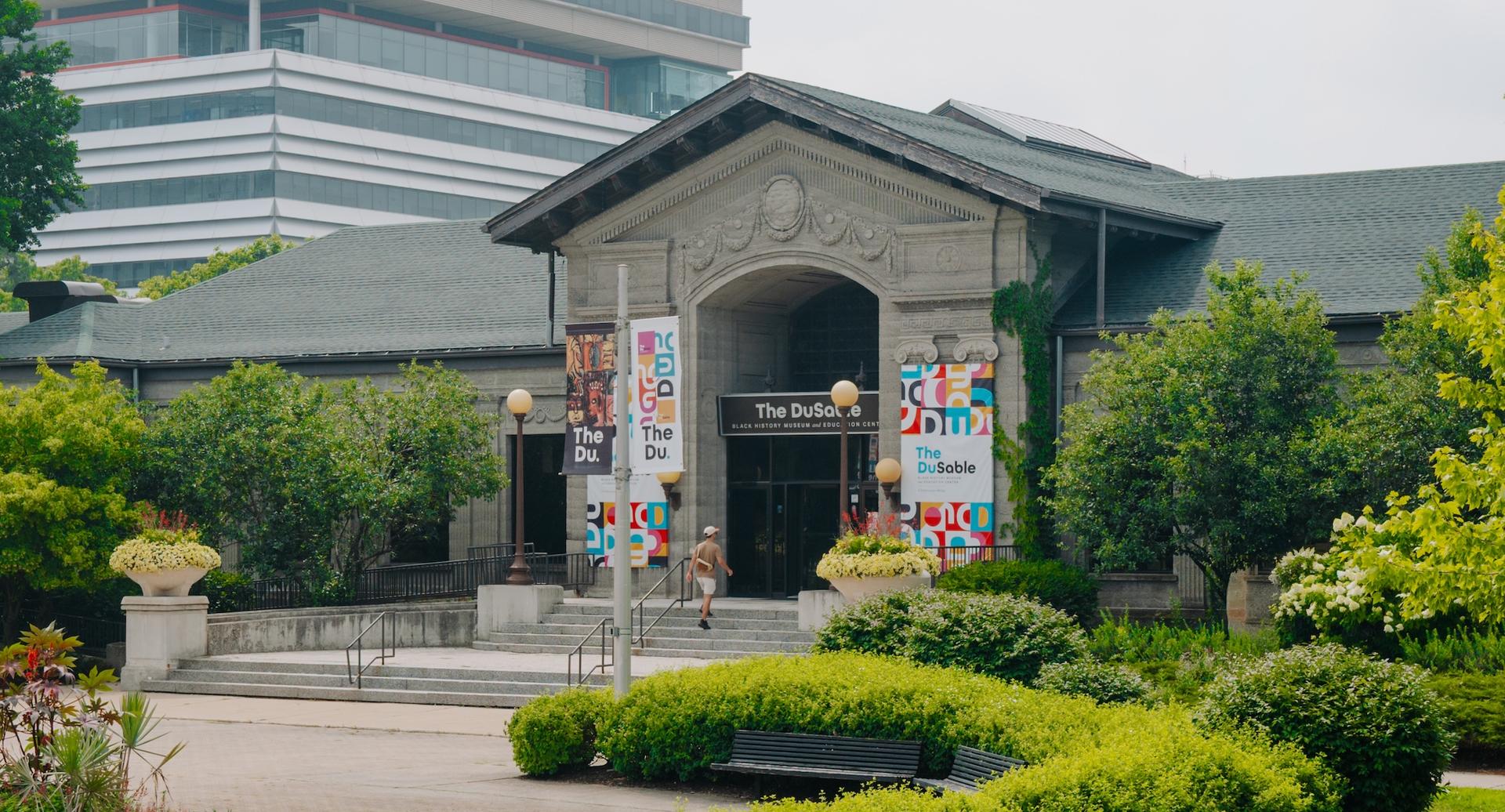
In February 1961, artist and teacher Margaret Taylor Burroughs opened a Black history museum on the ground floor of her South Side home. It grew into the DuSable, the oldest independent Black history museum in the country, named for Jean Baptiste Point DuSable, the Haitian-born trader who is considered the first permanent settler in what is now Chicago. Now in Washington Park, this Smithsonian-affiliated museum holds more than 15,000 works and objects about slavery, the Great Migration, and Black art.
A block
from where
66 begins
Chicago Lakefront Trail
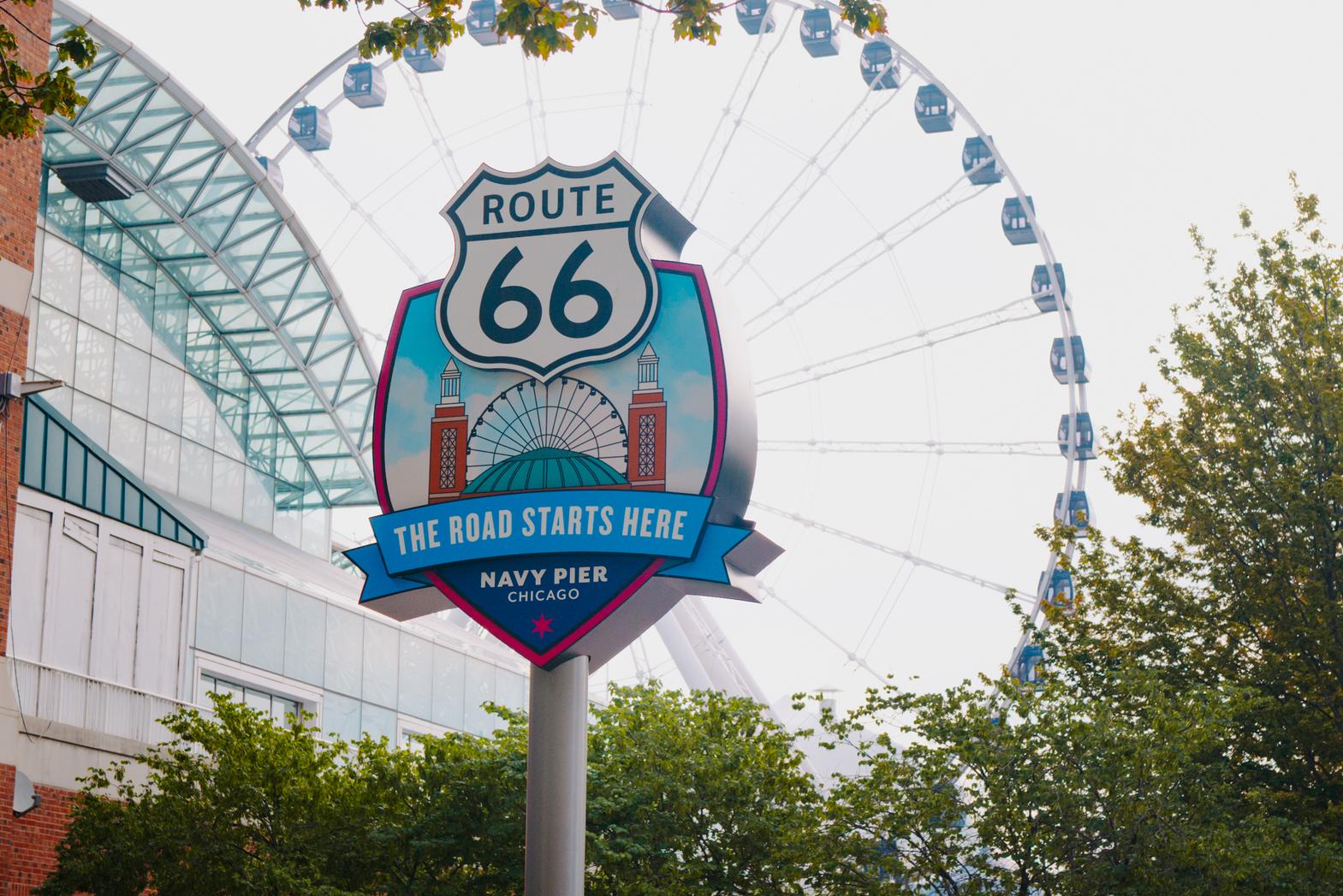
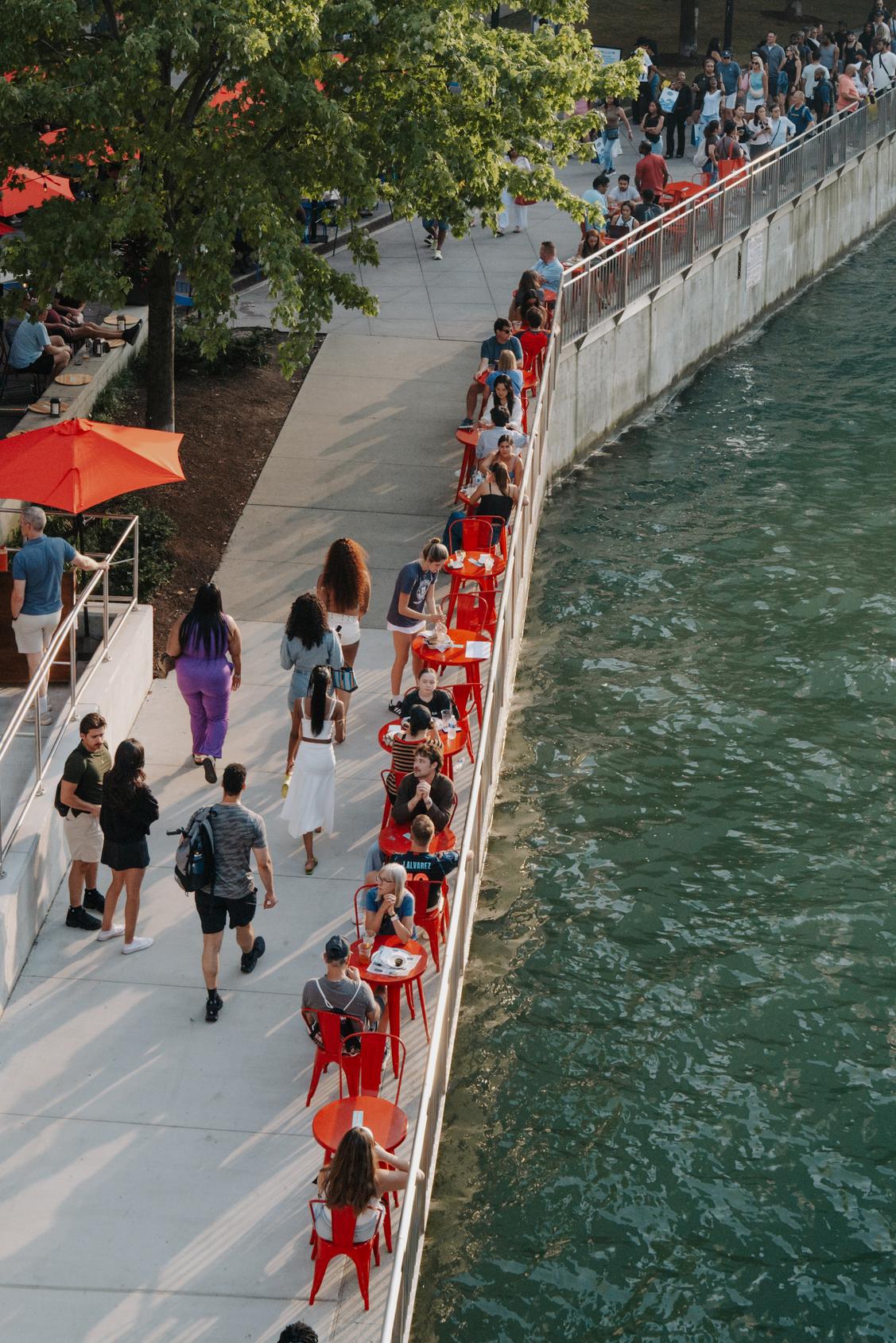
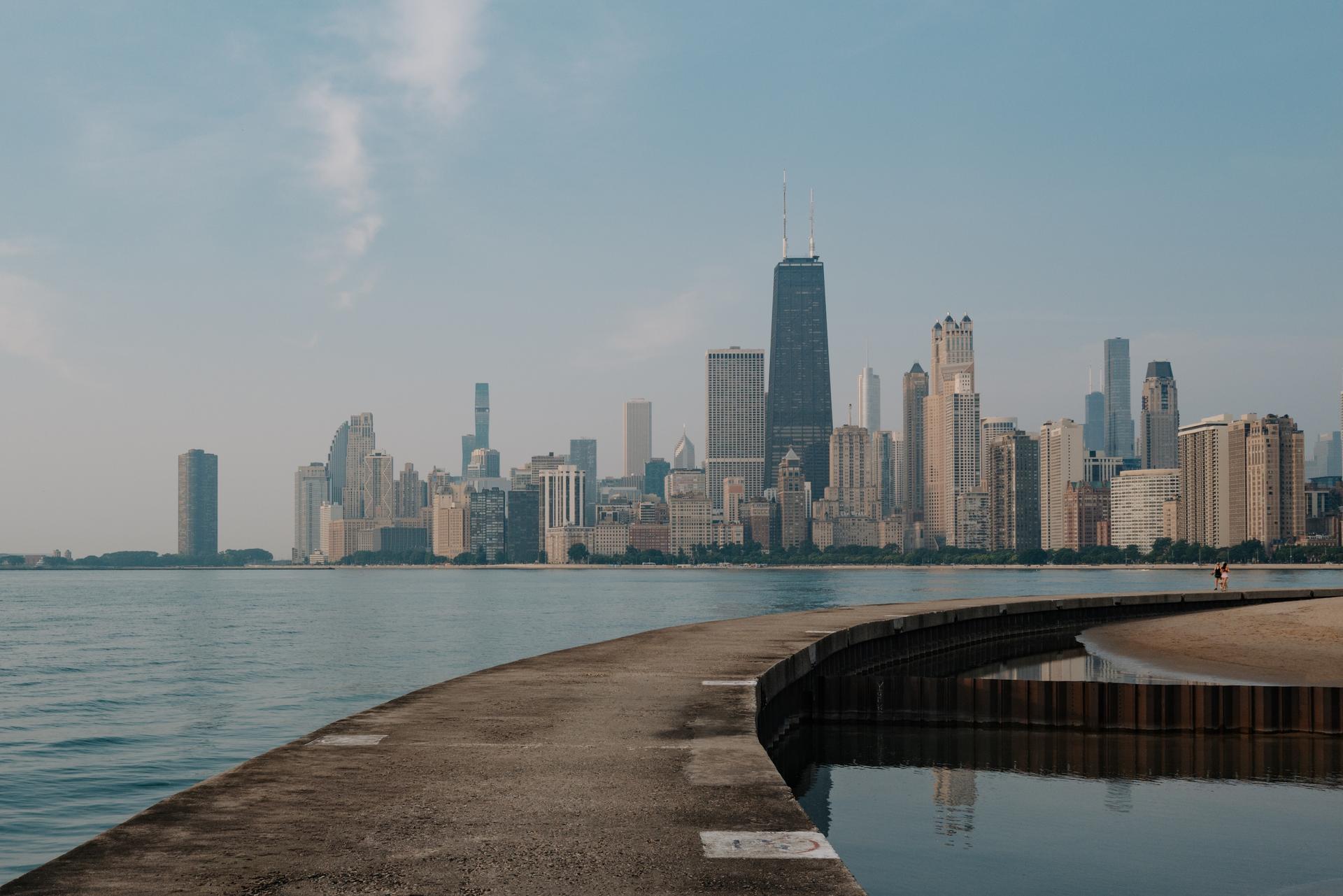
Route 66 starts a block away from Lake Michigan, and the Lakefront Trail follows the water from there. The paved path runs 18.5 miles between Ardmore Avenue and 71st Street, stringing together lakefront parks, beaches, harbors, and the Museum Campus, with separate lanes for walkers and cyclists. You get the lake on one side and the skyline on the other. Pick it up near Grant Park, ride south past the museums and Navy Pier, and turn back whenever the day runs out.

