Best Time to Visit Rome
Rome shifts with the seasons, offering sun-soaked piazzas in summer and quiet museum days in winter. The best time to visit Rome depends on whether you want mellow weather for walking around the city, shorter lines at big sights, or lower hotel prices.
Drawing on Expedia Group booking data from 2025, here is how Rome demand, pricing, and travel patterns change through the year.
When to Visit Rome at a Glance
- Best weather: April to June and September to October
- Most crowded: July, June, and May (about 3.4 times busier than the calmest months)
- Cheapest months: February, January, and November (about 44% lower than peak)
- Fewest crowds: February, January, and December
- Major travel spikes: May through October, with demand peaking in September, July, and October
- Best value balance: February, November, and January (about 38% below peak pricing)
When Is the Best Weather in Rome?
For pleasant, outdoor-friendly days, April through June and September into October are the sweet spots. This is a comfortable time for long walks around the Roman Forum, sunset strolls in Trastevere, or lingering on cafe terraces before the intense heat of high summer arrives. If you are comparing Rome weather by month, these shoulder stretches tend to feel the most balanced.
If your plans lean toward museums and food, the scorching heat of July and August, when highs top 90, is a good reason to head indoors. The wet, cooler days of November and December work the same way. You will find an easier pace for the Vatican Museums or the Galleria Borghese, and it is simpler to plan around when the city is quieter.
When Is the Cheapest Time to Visit Rome?
The cheapest time to visit Rome is typically February, January, and November, when Rome hotel prices run about 44% lower than in the most expensive months. If you want savings without compromising on sightseeing conditions, the best overall value balance can be found in February, November, and January at roughly 38% below peak.
For an extra saving on price, try to start your stay on a Tuesday, which is usually the cheapest check-in day, and avoid arriving on a Friday, which tends to cost more.
When Is Rome Most Crowded?
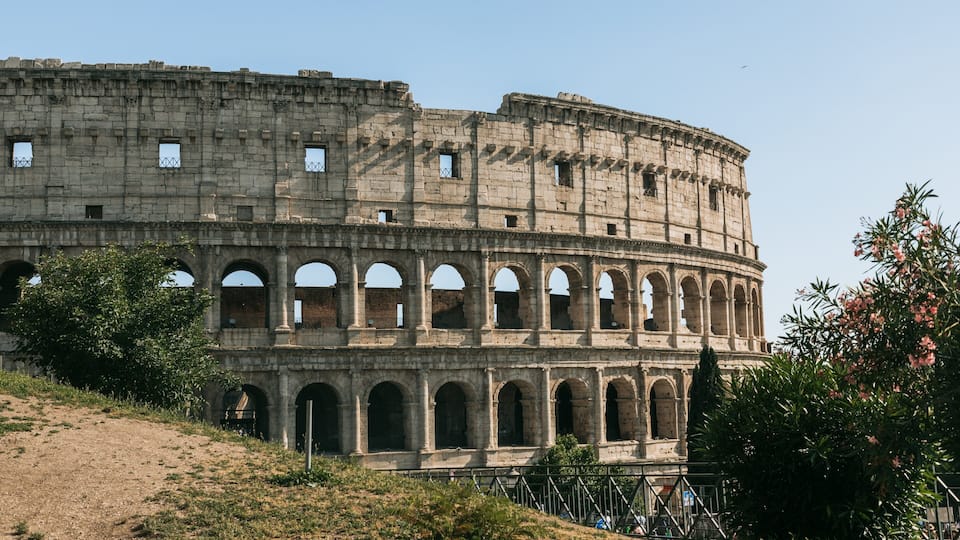
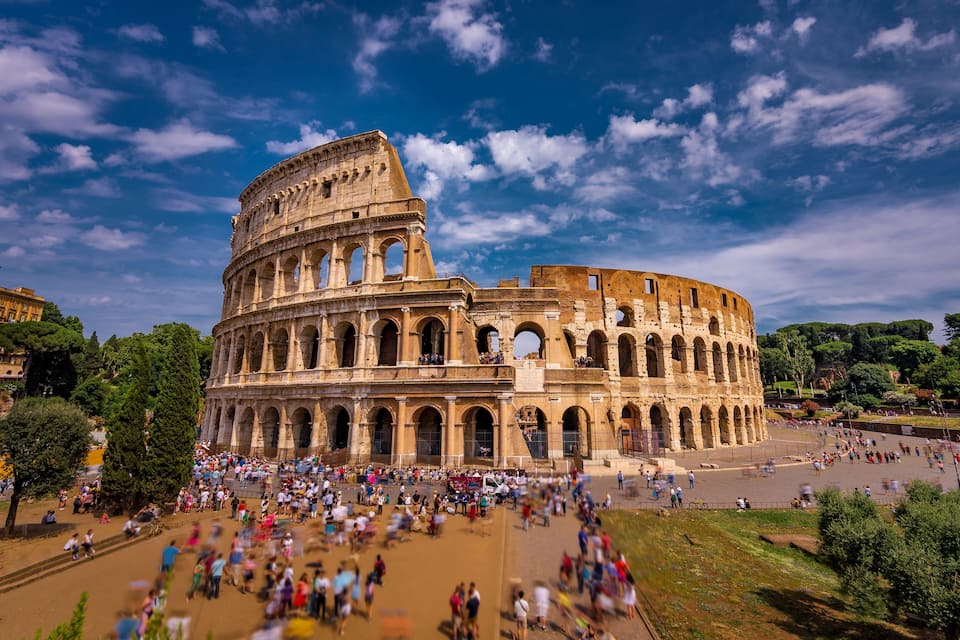
Rome is busiest in July, June, and May, when visitor levels run about 3.4 times higher than in the calmest months of February, January, and December. If you'd prefer the least crowded time to visit Rome for landmarks like the Colosseum or St. Peter’s Basilica, these winter months are your best bet.
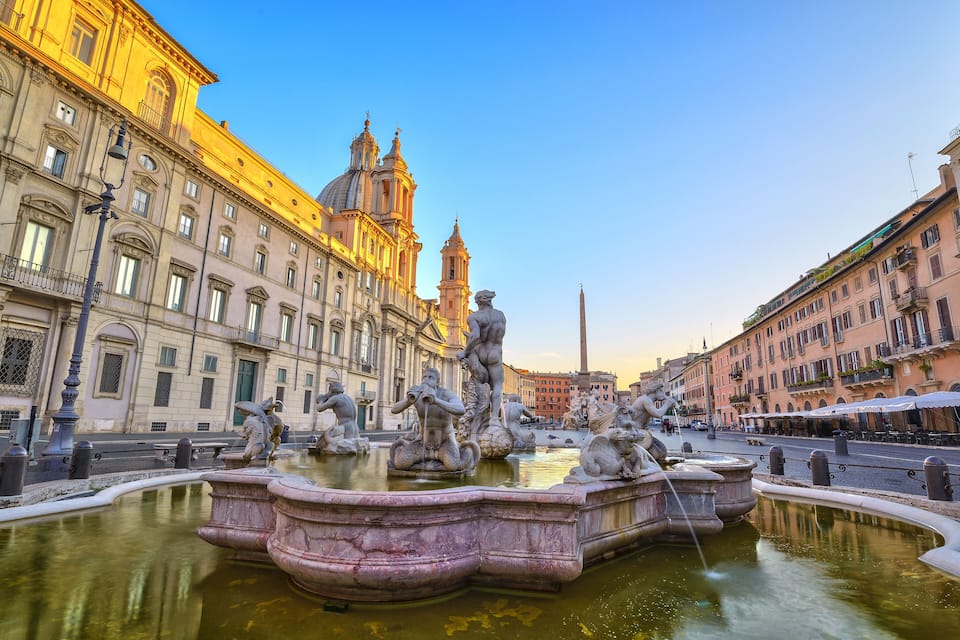
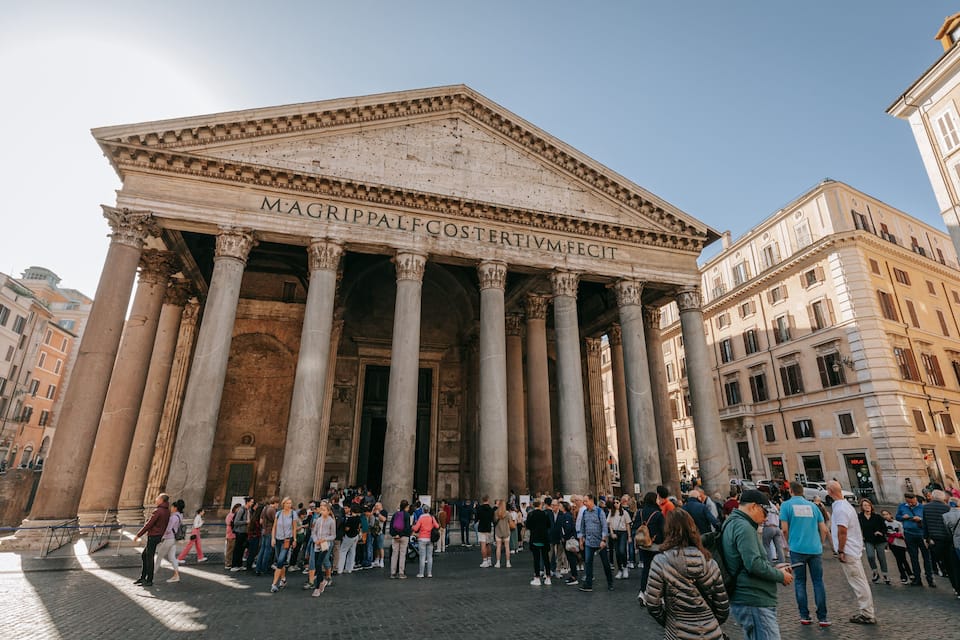
Top-rated properties fill up quickly in September, July, and October during Rome’s peak season. So, if you are set on staying in the historic center near the Pantheon or around Piazza Navona, it pays to lock in plans early for those periods.
How Far in Advance Should You Book Rome Hotels?
Travelers generally book earlier for busier periods: September stays are typically reserved around 72 days in advance, compared with about 41 days ahead for January. Use that as a guidepost. For fall dates, start scouting options two to three months out; in winter, you will usually find more last-minute flexibility.
Sought-after hotels sell out in September, July, and October, so you should try to book your hotel earlier for these popular months. Flexible rates stay fairly steady throughout the year, peaking around 44% in May and dipping to about 38% in December; so you will see some change in flexibility between seasons, but not a dramatic swing across Rome's travel seasons.
Insights based on bookings through Expedia Group between January 1–December 31, 2025. [Last updated: July 14, 2026]