

Where to Chase the Sun
in Portugal This Year
Wine, culture, and
slow travel
One country, endless ways to explore—from wild island adventures and rural road trips, to thrilling city breaks and family beach vacations.
Portugal might be small—the whole country is only about the size of Indiana or Maine—but this sun-drenched European hotspot is also wildly varied, with something for every kind of traveler in every season. Come in summer for the golden beaches of the Algarve. In the fall, it’s wine harvest time in the Douro Valley and the Alentejo. Winters are warm in the garden island of Madeira, while in spring the Azores explode into bloom. The culture-packed cities of Lisbon and Porto are a surefire bet whatever time of year, but have a special kind of romance when the crowds thin and local life returns to the sun-dappled squares and cobblestone streets. Here’s how to find your next Portugal vacation.
Charting History Across Lisbon

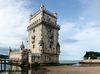
The past echoes through Portugal’s beautiful capital, Lisbon. Tales of saints and mythology play out across blue-and-white azulejo-tiled houses, and the soulful sound of fado drifts through bougainvillea-draped squares—catch a performance at the iconic Mesa de Frades or O Faia. The vintage yellow and white trams that trundle across town double as a leisurely sightseeing trip—hop off in Belém to see its 16th-century tower and sample pastel de nata tarts at Pastéis de Belém, made using the same secret recipe for hundreds of years.
Then climb up to Castelo de São Jorge, sat on the highest of Lisbon’s seven hills, for breathtaking views from its ramparts and turrets. The Tivoli Avenida Liberdade Lisboa hotel has long been one of the city’s landmarks, too, and its Art Deco marble lobby regularly welcomes celebrities and heads of state. At nearby Torel Palace Lisbon, the star attraction is its dreamy courtyard, perfect for sunset cocktails as the city glows below.
Slowing Down in the Alentejo



Ranging across vast tracts of countryside south of Lisbon, the Alentejo is a place where time slows and the horizon stretches. Covering almost a third of Portugal’s landmass, but home to only around seven percent of its population, the region’s unspoiled rural beauty is found in long-held traditions and whitewashed villages, in tiny potteries and sprawling vineyards. Life here unfolds with the seasons, closely attuned to the land, which yields earthy sheep’s cheeses, full-bodied red wines, and generous farm-to-table feasts.
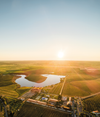
The empty coastline is fringed with hundreds of miles of pristine sands and the fashionable beach town of Comporta. Head inland and stylish farm stays offer the chance to dip into the authentic Alentejo way of life. Vila Galé Alentejo Vineyards is one of them, surrounded by fields and neat rows of vines. Families will especially love the tractor rides through the orchards, picnics beside the lake, and the chance to feed the animals—plus there’s horseback tours, canoeing on the estate’s dam, and hot-air balloon trips to drift over this hypnotic corner of the country.
Views and Vineyards in Porto & the Douro
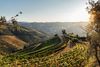

At the mouth of the Douro River, the charismatic city of Porto has had wine flowing through its heart for millennia, from the Romans who planted the first vines to the port trade with Britain. Those storied port lodges still line the riverfront in Vila Nova de Gaia, their names stenciled on walls and standing proud from terracotta roofs. Most offer tours and tastings, or head to the huge WOW (World of Wine) complex, where museums take visitors on a delicious ride through the city’s history and produce (wine, chocolate, cork).
The spectacular metal Dom Luís I Bridge links Gaia with the labyrinth of cobbled streets in the Ribeira district, which rises steeply on the opposite side of the river. Between tile-covered churches and colorful townhouses, some of the neighborhood’s noble palaces now house grand hotels—the perfect base for exploring. Behind the GA Palace Hotel’s neoclassical façade, the interiors are just as elegant, with herringbone floors, monogrammed linens, and marble bathrooms. A short walk away, PortoBay Flores is centered around pretty gardens with a baroque-style chapel, and bedrooms are spread between the 500-year-old palace and a slick new addition. Sitting pretty on a picturesque hillside nearby, the Torel Avantgarde hotel celebrates the city’s creative energy, with bold bedrooms named after artists, and a contemporary Portuguese restaurant, Digby, which takes its name from the English courtier who designed the modern wine bottle.
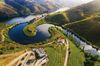
Follow the wine trail down the winding Douro, and the city soon gives way to the rolling terraced vineyards of the oldest wine region in the world. The Douro Valley’s beauty shifts with the seasons: in spring, the cherry and almond trees froth with blossom. In summer, take a dip in the Douro from one of the praias fluviais (river beaches), while fall is harvest time and the chance to get involved in the traditional treading of the grapes during vindimas celebrations. The Vila Galé Douro Vineyards hotel is tucked away on the centuries-old Quinta do Val Moreira estate with breathtaking views and a host of wine-related activities, including tastings in the cellar and grape-based spa treatments.
Family Beach Days in the Algarve
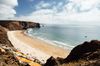


With some 300 days of sunshine a year, the golden shores of the Algarve on Portugal’s south coast are heaven for beach lovers. Running from the laidback surf town of Sagres to the Spanish border, the Algarve ranges through wide beaches and quiet coves, limestone cliffs and secret grottos. While there are lively towns like Lagos to explore, there are also sleepy fishing villages, manicured golf courses, and the raw beauty of the Ria Formosa National Park.
While sun-seekers arrive in the summer, an off-season serenity descends come fall. Hikers arrive to walk the long-distance Via Algarviana trail, birdwatchers flock to spot species on migration to Africa, and surfers catch consistent swells at Praia de Arrifana or Praia do Amado, marking the start of the winter surfing season.
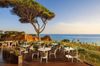
Perched above one of the Algarve’s most dramatic beaches and iconic red cliffs, Pine Cliffs, a Luxury Collection Resort, offers a tranquil escape on this captivating coastline. Airy rooms, suites, apartments, and standalone villas create a welcoming base for every traveler. Guests can enjoy tennis, padel, golf, and a soothing spa, with the Atlantic unfolding below. Blending contemporary comfort with timeless charm, the resort reflects the region’s natural spirit and leaves lasting memories.
Getting back to nature on Madeira


Closer to Morocco than the Portuguese mainland, Madeira is nicknamed the “island of eternal spring” for its year-round mild climate and lush landscape. Here, hiking trails follow the island’s miles of levadas (old irrigation channels) that cut through misty forests, along jagged cliffs, and past rushing waterfalls. The dazzling coastline is dotted with volcanic black sand beaches and rugged natural swimming pools, while in the quaint capital, Funchal, the colorful Farmer’s Market (Mercado dos Lavradores) is stacked with the island’s bounty of produce.
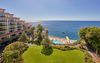
Overlooking the bay of Funchal, The Cliff Bay hotel is a luxurious retreat, set on a dramatic oceanfront with direct access to the sea, which provides the idyllic backdrop for its two-Michelin-star restaurant, Il Gallo d’Oro. American travelers, take note: United launched the first nonstop flights from the USA to the island in June 2025, making it even easier to discover nature’s masterpiece in the Atlantic.
A Wild Adventure in the Azores



In the 15th century, Portuguese explorers thought the Azores were the edge of the world—and it’s easy for this untamed archipelago to feel that way. The nine islands sit in the middle of the Atlantic, 870 miles west of Lisbon, each born from volcanic eruptions rising from deep beneath the sea at the junction of three tectonic plates. Today, the Azores are just as dramatic, with bubbling hot springs, vivid craters, and magical lava caves. Despite their remoteness, the Azores are magnets for adventure travelers who come for surfing, canyoning, paragliding, and rock climbing.
São Miguel is the biggest island—the landing point for most travelers—and gives a flavor of the Azores’ geological marvels, including Lagoa das Sete Cidades’ twin crater lakes (one green, one blue-black) and Furnas’ steaming mud pools and geysers. Back in the capital, Ponta Delgada, the stately Vila Galé Collection São Miguel hotel overlooks historic Campo de São Francisco and is a brilliant jumping-off point for exploring these wild and wonderful islands.
TAP Air Portugal gets you there with ease
Find the Perfect Authentic Portuguese Stay






Fiona Kerr is a food-loving travel journalist and former features director at Condé Nast Traveller. Her writing has appeared in The Guardian, The Telegraph, Elle Decoration and the The New York Times. When she gets to a new country, her first stop is usually the local supermarket.