

Best things to do in Chichester
Explore the best things to do in Chichester, from ancient Roman roots to museum discoveries, beautiful countryside, and coastal escapes
The best things to do in Chichester are found not only among its vintage streets and cultural landmarks, but also in the waterways, villages, and open spaces that surround the ancient city. Its story unfolds from traditional rural buildings and historic sites to footpaths and cycling routes through the Chichester countryside toward the coast. Trails lead to Chichester Harbour, where boats drift through tranquil creeks, while north of the city, the South Downs provide a contrasting backdrop of rolling chalk hills and open downland. The area’s identity has been shaped by farming, boating, and generations of care for its habitats. With a superb range of hotels in Chichester, visitors can settle into the city’s local rhythms and make time for its coast, heritage, and wildlife, discovering the charming character of the town.

01
Stroll through Chichester’s ancient and modern heritage
At the heart of the city, Chichester Cathedral is a wonderful starting point for an exploration of the city’s place in history. The present cathedral was founded in the 11th century and has an intimate feel despite its size, with Norman, Roman, and Gothic architecture, contemporary art, and centuries of religious history sharing the same space. The free-standing bell tower is a distinct part of the Chichester skyline. Inside the pale stone edifice, there are medieval carvings to admire alongside more modern collections. The acoustics of the nave and the changing light through the windows add to a contemplative atmosphere.
The cathedral’s position makes it easy to incorporate into a wander through the city’s attractions. Beside it, Bishop’s Palace Gardens add tranquility with a pergola walk, water features, seating, and wildlife-friendly planting. Accessible from the gardens, the surviving Roman City Walls form a circle around much of the historic center. They offer a fascinating connection to Chichester’s origins as the Roman settlement of Noviomagus Reginorum. Within the walls, Priory Park combines the remains of a motte-and-bailey castle with the surviving history of a Franciscan Friary that stood here from the late 13th century.
The cathedral has regular opening hours for visitors, although there may be some restrictions, particularly when services are in progress. Viewed together, Chichester’s historic landmarks reveal the extent of the city’s past within a compact and walkable space, where Roman foundations and medieval architecture are still very much a part of everyday life.
02
Discover the waterways and wildlife of Chichester Harbour
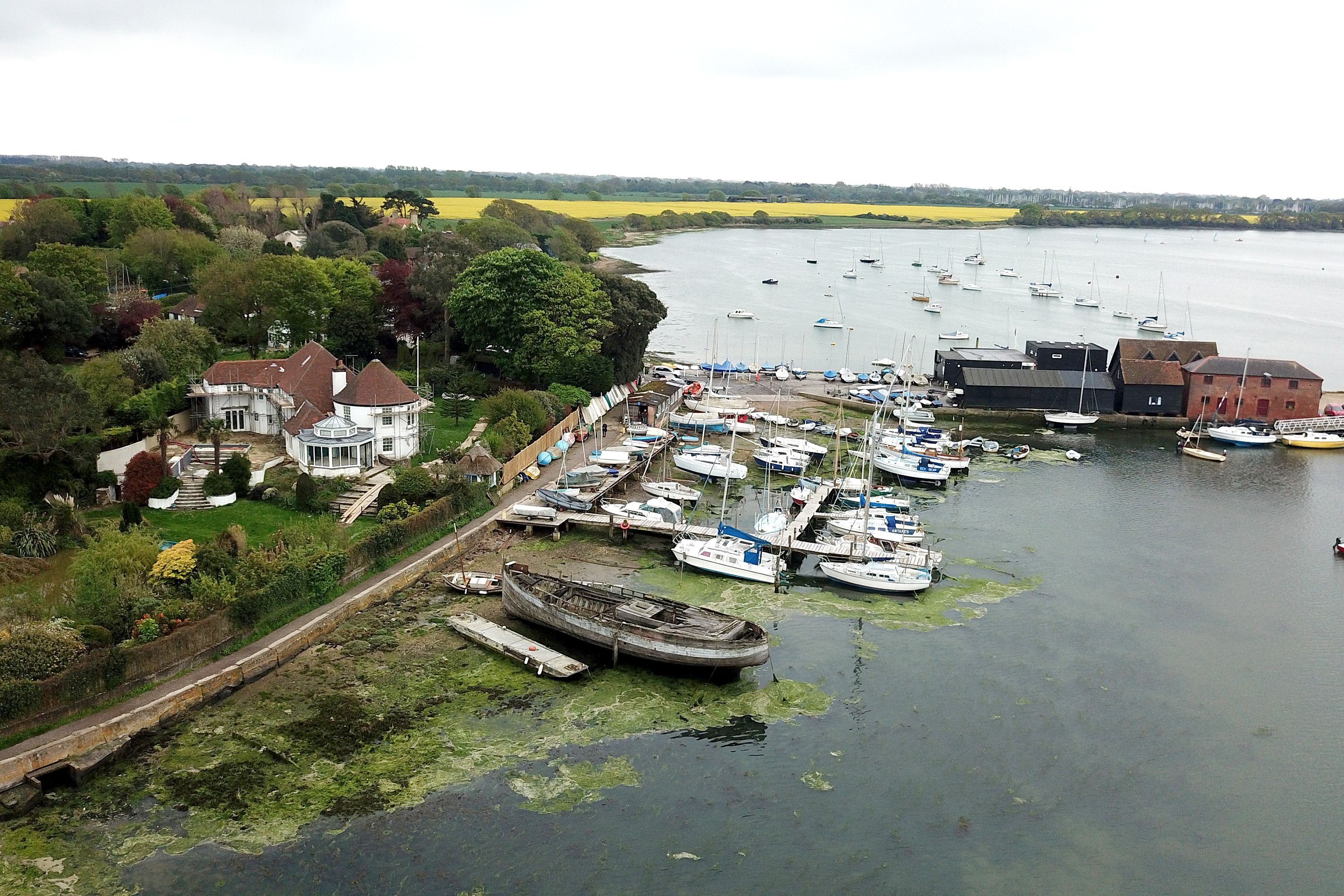
South of the city, Chichester Harbour opens into a broad network of tidal waterways, saltmarshes, reed beds, and small creeks that have shaped life along the West Sussex coast for centuries. The harbor is part of a protected coastal landscape as well as being one of Europe’s leading destinations for recreational boating, and its character changes continually with the tide. At high water, boats glide through the channels. As the tide falls, mudflats emerge, and wading birds gather along the edges.
The villages that surround the harbor provide a good starting point for exploration. Bosham, with its traditional waterfront buildings, is an atmospheric coastal village, while Apuldram is celebrated for its scenic creek views, and West Itchenor offers sightseeing walks along the water as well as ferry crossings.
Wildlife watching is a part of the harbor’s appeal. The colder months bring large numbers of wintering birds, and in spring and summer you might spot harbor seals as well as terns and plovers. Throughout the year, the harbor provides a chance to view the Chichester countryside at its most varied. It combines long-established communities and waterside pursuits with tidal habitats and working farmland, and its coastal setting is tranquil without ever feeling sleepy.
03
Hike the open chalk hills of the South Downs
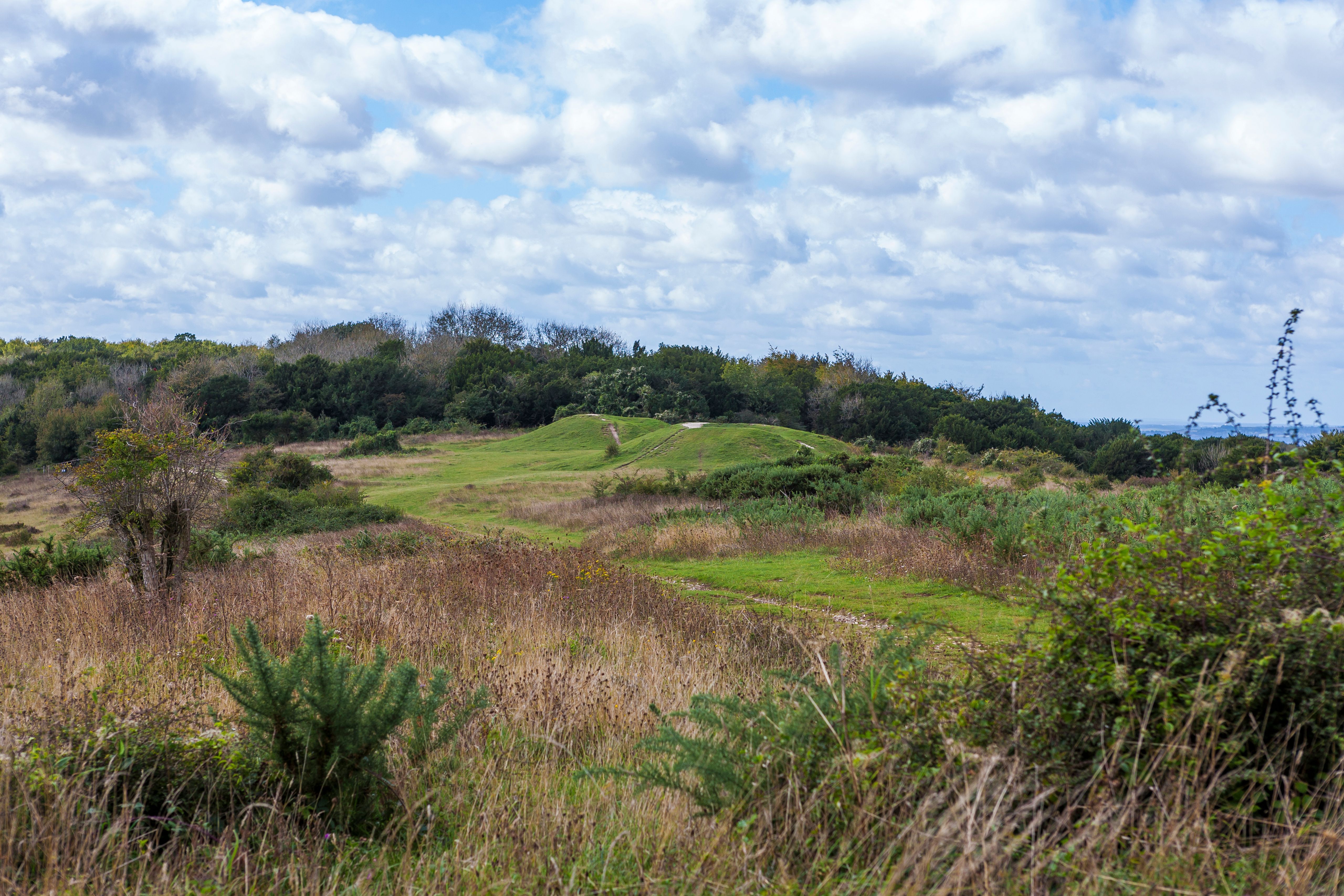
Situated to the north of Chichester, the South Downs National Park offers a striking contrast to the tidal landscapes of the harbor. Rolling chalk hills, open grassland, woodland, and ancient tracks come together to create some of the best walking country in the region, with views that span across West Sussex to the coast.
The South Downs Way is 100 miles long, and the National Park itself is huge, so it makes sense to choose a specific area or section of a trail to cover in one outing. The villages and downland near Singleton and Halnaker make good starting points for discovering the South Downs. A short walk leads to Halnaker Hill’s historic windmill and sweeping views across the coast and surrounding farmland. For a deeper sense of the area’s natural wonders, Kingley Vale National Nature Reserve is home to some of Britain’s oldest yew trees, while The Trundle, an Iron Age hillfort on St Roche’s Hill, offers panoramic views towards Chichester.
The South Downs National Park is known for its biodiversity. The chalk grassland supports numerous species of wildflowers and butterflies, the lowland heaths provide a habitat for reptiles and amphibians, and otters live in the chalk streams further west. The cultural heritage of the National Park is also worth exploring, from the art of Petworth to the prehistoric archaeology of Kingley Vale and the hilltop castle of Arundel.
04
Enjoy the Salterns Way from city to coast
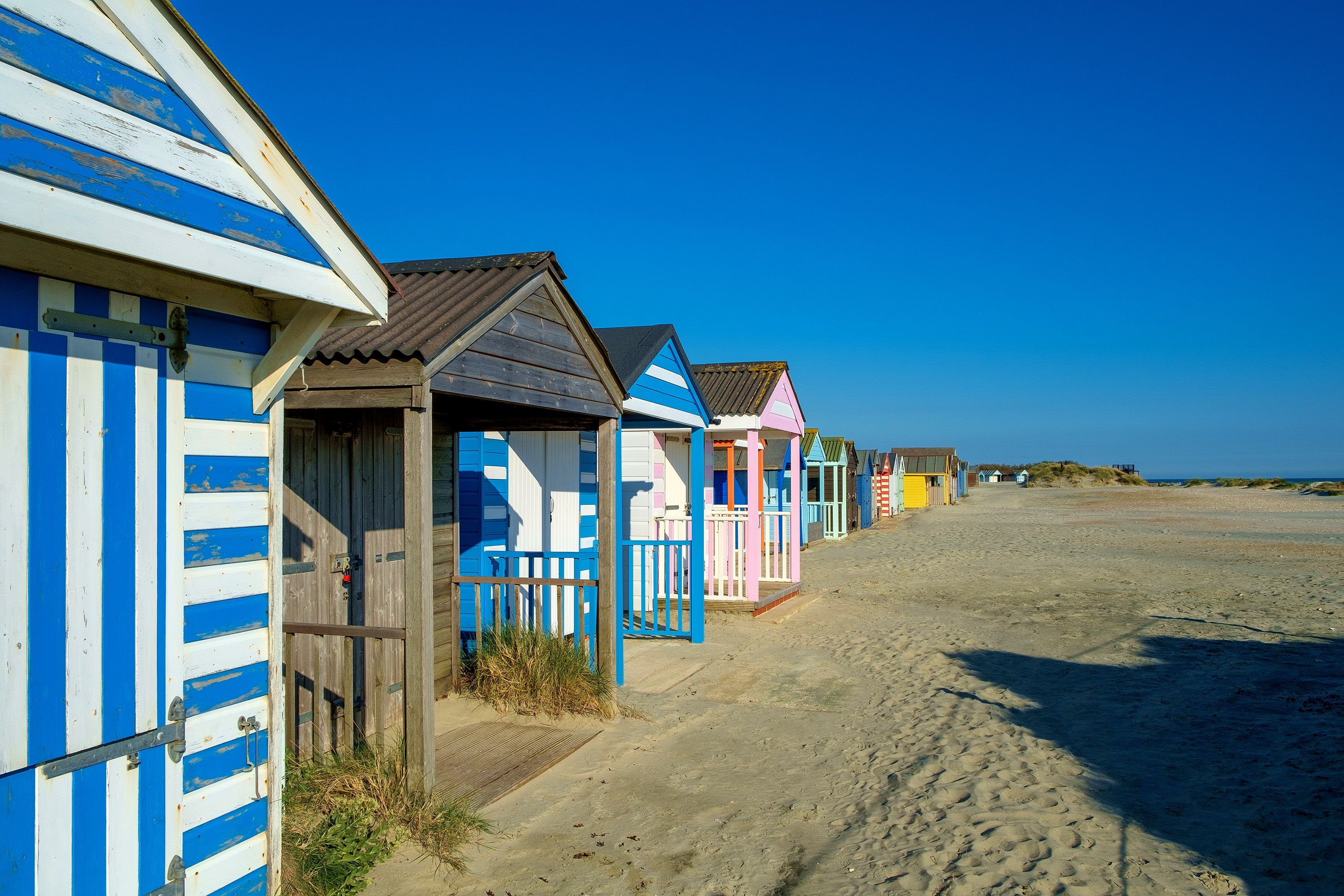
To experience the natural beauty of the Chichester countryside without a car, the Salterns Way provides a largely traffic-free route for walking or cycling between the city and coast. The shared-use trail from Chichester to West Wittering beach and East Head is mostly flat and about 12 miles long, following the harbor and surrounding coastline and winding through waterside villages.
You don’t need to complete the entire length to enjoy the Salterns Way. For a relaxed excursion, you could choose a section and combine your hike or cycle with stops for refreshments at waterside eateries along the way. From Chichester, try a slight detour where the trail intersects with the South Coast Cycle Route to explore Fishbourne, Dell Quay, and Chichester Marina. Further along, the Salterns Way passes through the waterside village of Bosham, a natural place to pause and watch the boats on the tidal creek. At the end of the route are the sandy resort of West Wittering and the dunes of East Head.
The route is suitable year-round, with spring and summer bringing later sunsets and abundant wildlife, while autumn and winter offer greater tranquility. In wet weather, some sections become muddy, and the wind can be strong even on milder days. Sturdy footwear is useful for walkers, and hybrid or mountain bikes are a practical choice for cyclists.
05
Discover British art in the historic setting of Pallant House Gallery
One of Chichester’s most fascinating cultural offerings is Pallant House Gallery, where a wide collection of modern British art is displayed. The original Queen Anne townhouse sits alongside a contemporary wing, creating a sequence of rooms in which to discover paintings, sculpture, and design in close quarters. The collection brings together British art from 1900 to the present, with works by some of the country’s most influential artists, including Barbara Hepworth, Henry Moore, and Lucian Freud.
A strength of the gallery lies in its smaller scale. Pallant House presents its collection room by room, and connections between artists, movements, and periods become apparent as you make your way through the space. The gallery’s program changes regularly, with focused exhibitions adding variety to the permanent displays. Guided tours offer a useful way to gain in-depth knowledge of the collection.
The experience extends beyond the galleries. Outside, a courtyard garden is a peaceful place to spend time, and there’s a café serving lunches and teas, as well as a bookshop for art-inspired books, cards, and gifts. Pallant House is easy to reach on foot from Chichester railway station, and its central location makes it simple to combine with an exploration of the city’s historic streets and other cultural sights.

06
Take part in Sussex’s rural past at Weald & Downland
Based in the South Downs near Singleton, the Weald & Downland Living Museum gives visitors a close-up look at the region’s rural history. More than 50 historic buildings have been relocated or reconstructed across the site, from medieval houses and farmsteads to workshops and village buildings. Together, they create a vivid picture of how homes, farms, and rural communities have changed over the centuries. A visit here feels more like walking through a historic village than viewing a conventional museum.
The museum is as much about skills and daily life as architecture. Demonstrations of historic crafts, cooking, farming, and building techniques reveal the practical knowledge needed to maintain a rural household, while gardens, fields, and livestock show how closely work was once tied to the seasons. Many buildings are furnished to reflect different periods, and knowledgeable costumed interpreters add to the experience. There are also seasonal events, courses, and hands-on workshops.
Set across woodland, meadows, and farmland, the museum makes the landscape part of the story, with paths linking historic buildings and working areas across the site. Its conservation work also helps maintain traditional building methods and rural skills. The result is an engaging connection between the architecture, craftsmanship, and Sussex countryside.

07
Discover Roman life and mosaics at Fishbourne
Fishbourne Roman Palace offers a fascinating glimpse into life in Roman Britain. Built in the 1st century, it is the largest known Roman residential palace north of the Alps. Today, visitors can explore archaeological remains, a museum, protected mosaic displays, and recreated Roman gardens, discovering an engaging experience whatever the weather.
The palace is particularly known for its elaborate mosaics, many of which remain in their original positions as part of the palace’s floors. Their geometric designs, vibrant colors, and detailed craftsmanship demonstrate past wealth and artistic skill. One of the most celebrated examples depicts Cupid riding a dolphin. Artefacts uncovered through excavation provide further details about the inhabitants and the significance of the settlement within Roman Chichester and the surrounding area.
Outside, the formal gardens have also been reconstructed to reflect their original appearance, including carefully arranged plants, pathways, and decorative features. For a fuller understanding of the site, visitors can move between these outdoor spaces, the remains of the building, and the museum area.
Fishbourne Roman Palace provides a closer look at how Roman architecture, decoration, and daily life came together in southern England. Its location just west of Chichester highlights the importance of the city’s Roman origins.
Experience the heritage and nature of Chichester
Chichester brings together centuries of history, cultural attractions, and varied landscapes, making it possible to enjoy a different side of West Sussex each day. From Roman remains and historic buildings in the city to coastal waterways and the open hills beyond, there are plenty of ways to explore at your own pace. With so many Chichester activities to choose from, it’s easy to fill a short break with a mix of culture, adventure, and coastal experiences. You could spend time discovering the city’s heritage, cycle or hike to the coast, explore the Chichester countryside, or venture into the South Downs for scenic walks and wildlife. A Chichester weekend getaway can be as active or relaxed as you like. If you’re ready to experience the area for yourself, book your flights to Chichester and start planning your trip.