

Best things to do in the Tweed
Discover the best things to do in the Tweed, from exploring scenic rainforest and hinterland to Tweed Coast beaches, local produce, wildlife, and lively towns
The best things to do in the Tweed reflect its spectacular location in northern New South Wales, stretching from the sparkling waters of the Tweed Coast inland to lush valleys, ancient rainforest and the dramatic remains of the Tweed Volcano. The Tweed is an area of contrasts, with coastal towns giving way to farmland and mountain scenery. The Tweed Coast beaches are a natural draw, while inland, World Heritage-listed landscapes show a wilder side of the region. There are also adventurous trails and outdoor experiences, alongside a vibrant food, arts and cultural scene. With a range of hotels in the Tweed, visitors can settle into the region’s relaxed pace and make time for its natural beauty, local flavors, and easygoing way of life.
01
Relax at Tweed Coast beaches
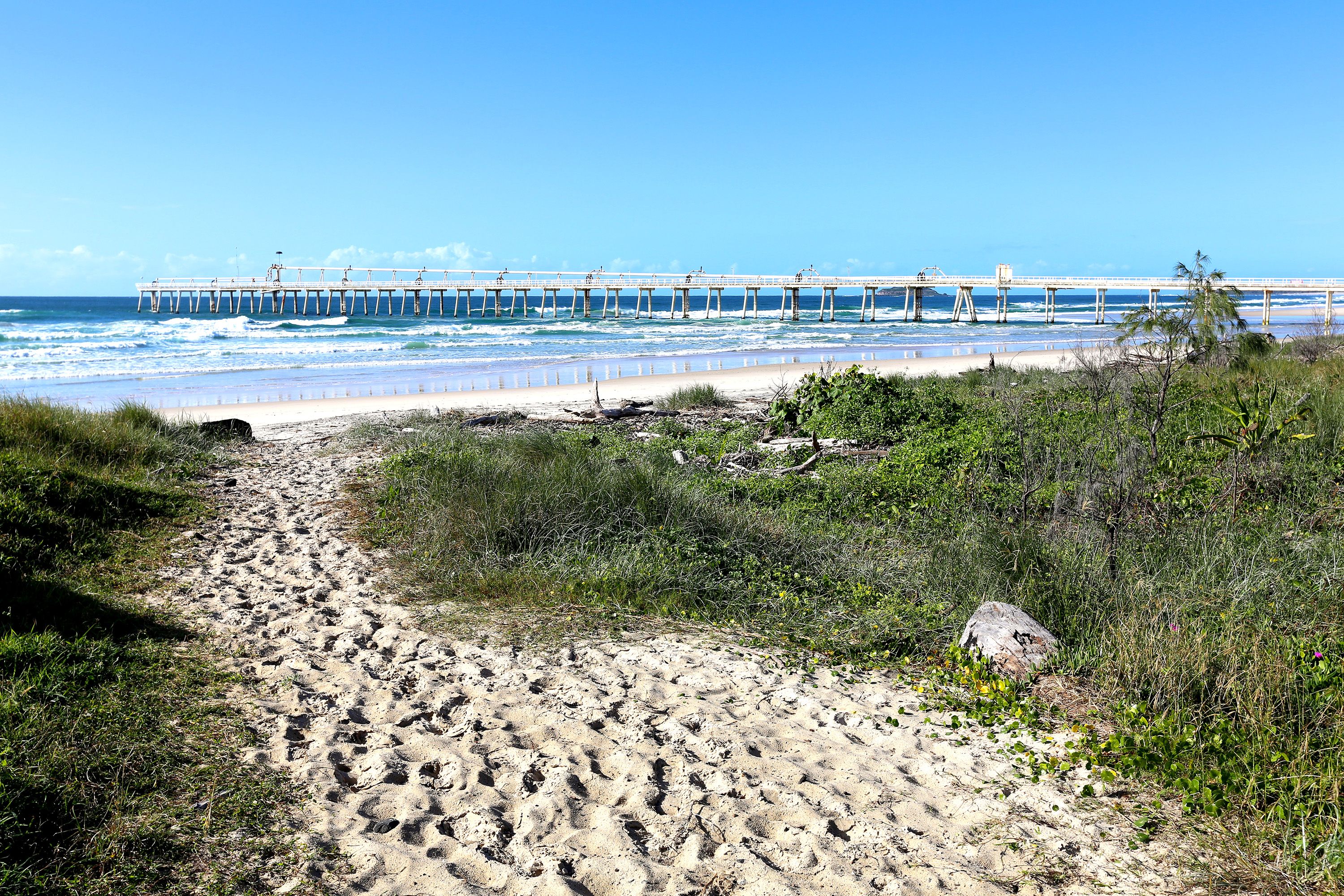
Tweed Coast beaches are wonderfully varied, from broad stretches of sand and surf breaks to rocky headlands and sheltered creeks. There’s a relaxed rhythm along the coastline, with opportunities for swimming, walking, snorkeling, or just relaxing by the water.
At the southern end of the Tweed Coast, Hastings Point has a laid-back atmosphere, with rock pools, estuaries, and creeks. Kingscliff Beach is a long stretch of sand backed by Marine Parade, with cafes, shops, and parks close to the water. The patrolled beach and nearby Cudgen Creek are great for swimming, surfing, and watersports. An oceanway along the foreshore also makes it easy to walk or cycle beside the coast.
Cabarita Beach, known as Caba, has a village feel, with a choice of independent eateries close to the sand. Its popular surf break and striking views from Norries Headland make it a favorite with surfers and wildlife spotters.
At Fingal Beach, white sands stretch between the Pacific Ocean and the Tweed River. Nearby Fingal Head is known for its basalt columns, formed by lava flowing toward the ocean millions of years ago. The headland is also home to Fingal Head Lighthouse, erected in 1872 and reached by a short stroll through coastal rainforest. The lighthouse tower is closed to the public, but the headland offers great views along the coast. Just offshore, Cook Island lies within a protected marine reserve and is a great place for snorkeling and exploring coral and marine life.
At the northern edge of the Tweed Coast, Duranbah Beach, known locally as D’Bah, is a popular surfing spot. From nearby Point Danger, humpback whales and dolphins can be spotted migrating along the coast from May through November.
02
Hike the scenic Northern Rivers Rail Trail
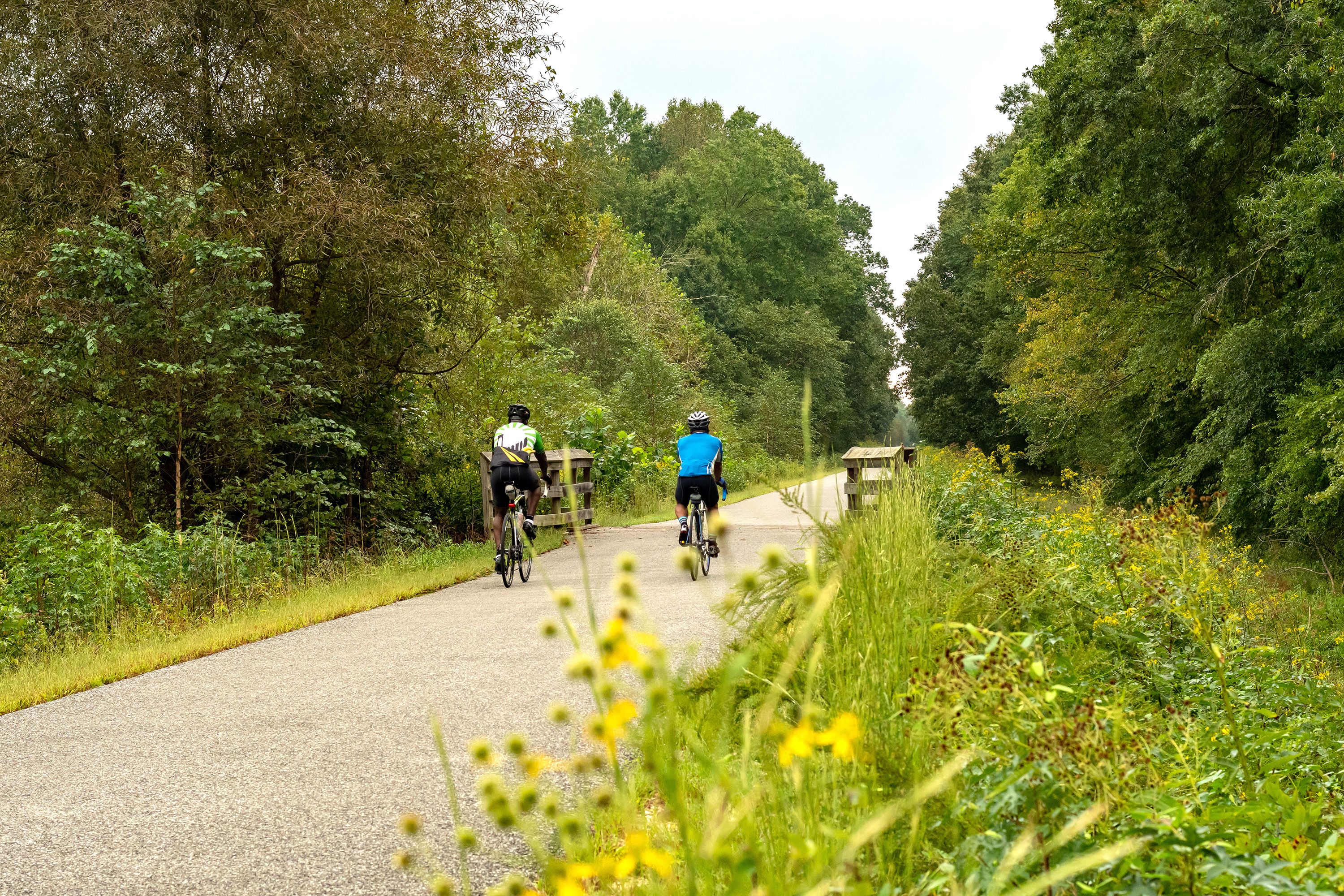
Following the route of a former railway line between Murwillumbah and Crabbes Creek, the Northern Rivers Rail Trail offers a relaxed way to experience the landscapes of the Tweed Valley in northern New South Wales. The 15-mile Tweed section winds through farmland, rainforest, creeks, and rolling hills, passing the small communities of Stokers Siding, Burringbar, and Mooball.
There are plenty of reasons to explore the trail. Walkers, cyclists, and runners can follow the old railway corridor through some of the region’s most peaceful scenery, while railway enthusiasts can discover remnants of its past, including the restored Murwillumbah Railway Station, historic bridges, and two former railway tunnels. One of the highlights is the Burringbar Range Tunnel. It provides a habitat for glow worms and microbats, and it remains unlit for their protection. Visitors need to bring their own lighting and be considerate if using the tunnel, and cyclists should dismount and wheel through the darkness.
Perhaps the biggest attraction of the Northern Rivers Rail Trail is the chance to explore nature at a slow pace. Away from busy roads, the trail passes through farmland and forest, crosses historic railway structures, and links a series of small towns where visitors can stop for coffee, lunch, or a look around. It’s a gentle journey through the heart of the Tweed Valley.
03
Sample local produce at Tropical Fruit World
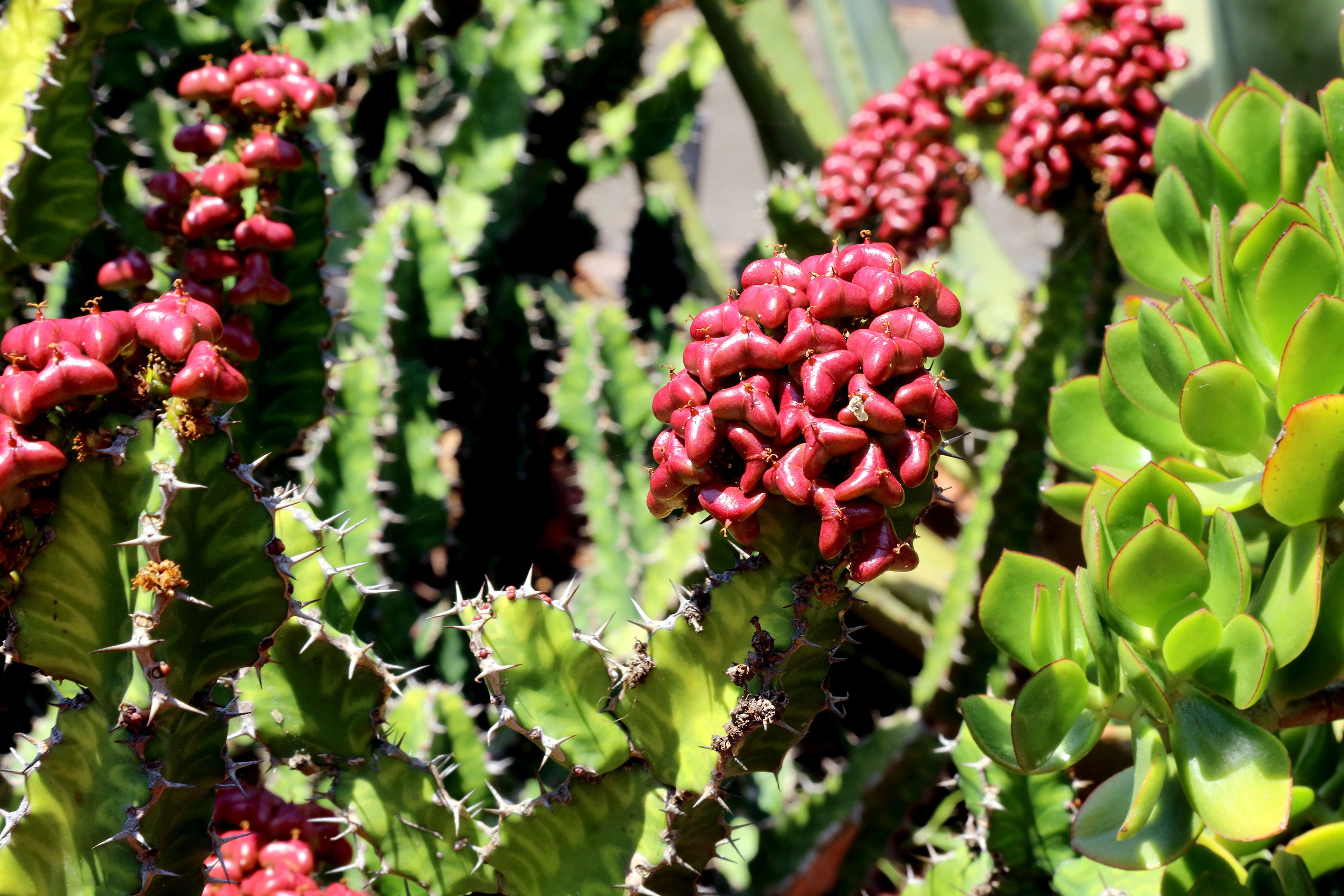
Just a few minutes west of the Tweed Coast, Tropical Fruit World is located on a 215-acre working farm in Duranbah, where fertile volcanic soils support more than 550 varieties of fruit from all around the world. Beyond the orchards, the landscape opens toward the Tweed Valley and Wollumbin, giving visitors a sense of the agricultural character that lies inland from the region’s beaches.
There’s more to the experience than sampling unusual fruit. Guided farm tours take guests through the orchards by tractor, and there’s a wildlife boat cruise, a fauna park, and an introduction to Australian bush tucker. There is also a farm nursery, fruit market, café, and marketplace selling produce and products made using fruit grown on the farm. Much of the fruit is seasonal, and some varieties are rare or produced in small quantities, so the foods you taste can vary depending on the time of year you visit.
The experience is particularly suited to families, although food lovers and anyone interested in sustainable farming will find plenty of interest too. The farm’s approach is closely tied to its setting. Tropical Fruit World describes its horticulture as biological and low-input, using practices such as companion planting, diverse vegetation, and organic-based fertilizers to reduce reliance on chemical sprays.
04
Follow the Tweed River into the hinterland
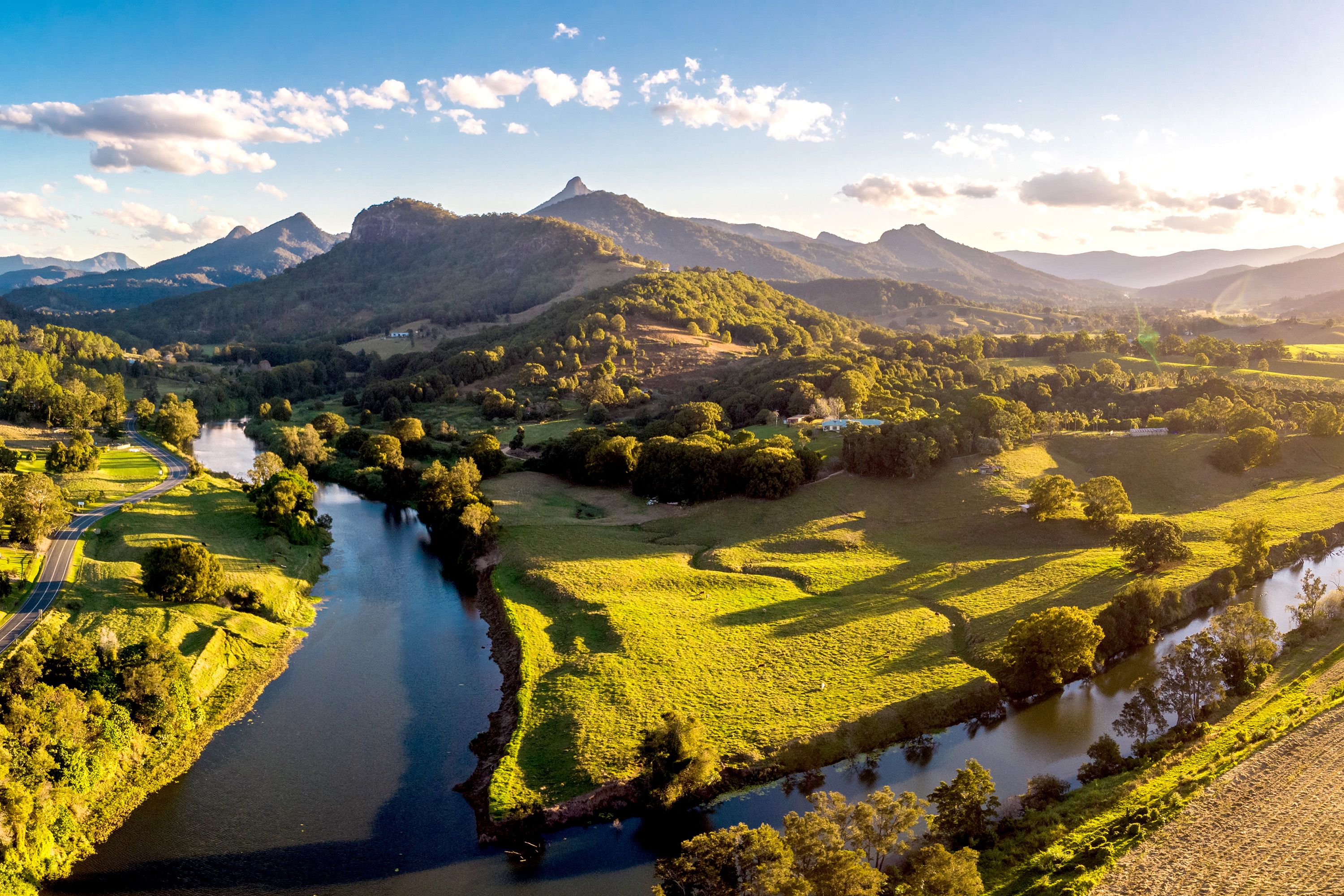
The Tweed River winds through a patchwork of farms, forests, and small settlements before reaching the coast, with Wollumbin rising dramatically beyond the valley. Viewed from the water, the landscape appears peaceful, revealing fertile farmland, forested hills, and small communities located beyond the coast.
At the meeting of the Tweed and Rous Rivers, the village of Tumbulgum is a great place to stop. Its name is often said to mean “meeting of the waters,” and the village has a secluded and timeless feel. You can explore the waterways by kayak or stand-up paddleboard, while boat cruises provide views toward Wollumbin and opportunities to spot birdlife. More than 60 bird species have been recorded along the nearby Rous River canoe trail, including kingfishers, spoonbills, and white-bellied sea-eagles. For visitors in need of refreshments in the area, there are riverside cafés, historic taverns, and picnic spots available.
The river contributes to the Tweed’s food culture. Cruises and fishing experiences introduce visitors to the waterways and their seafood, including mud crabs, oysters, and other local produce. The river’s oyster-growing areas are another reminder of the connection between the water and the food produced in the region. For a deeper understanding of the landscape, consider a tour where guides share knowledge of local flora, fauna, and bush tucker.
05
Discover art among the hills at Tweed Regional Gallery
Just outside Murwillumbah, Tweed Regional Gallery & Margaret Olley Art Centre is based in a scenic setting above the Tweed Valley. The building looks across green hills and grazing country toward Wollumbin, with the river winding through the landscape below. The view changes with the weather and light, and gives the gallery a strong sense of place before you even walk through the doors.
Inside, several exhibition spaces accommodate a changing program of historical and contemporary art. Regional artists are shown alongside artists from elsewhere in Australia, with touring exhibitions adding further variety. The Margaret Olley Art Centre focuses on the life and work of Australian painter Margaret Olley. Its centerpiece is a recreation of the artist’s Sydney home studio, assembled from original furnishings and objects, which offers a more intimate understanding of the painter’s working life.
The gallery also provides a useful introduction to the Northern Rivers as an artistic landscape. Artists have long drawn on the region’s rivers, farmland, forests, and mountains, and the annual Wollumbin Art Award focuses specifically on artists from the Northern Rivers, giving the surrounding region a prominent place within the gallery’s program.
A visit is easy to combine with other stops in and around Murwillumbah. There is a café, a gallery shop, and outdoor areas where you can sit and look across the valley. The gallery also connects directly with the Northern Rivers Rail Trail, and although the route from the designated parking area includes inclines and stairs, the gallery itself welcomes visitors with access needs.

06
Connect with Bundjalung culture
The Tweed’s landscape has a history that extends well beyond its modern identity. The region lies on Bundjalung Country, with the Ngandowal and Minyungbal-speaking peoples among the Traditional Custodians of the land and waters within Tweed Shire. Learning about the region through Bundjalung culture provides a fuller understanding of the landscape and its continuing cultural significance.
At Tweed Heads South, the Minjungbal Aboriginal Cultural Centre and Tweed Heads Historic Site provide an introduction to this living cultural heritage. Run by the local Aboriginal community, the center includes museum exhibits and Aboriginal art, while local guides share knowledge of Minjungbal history, Bundjalung Country, animals, and significant cultural sites.
The nearby Walk on Water track brings that connection into the landscape. The 0.6-mile loop passes through eucalypt forest, woodland, and mangroves along the Tweed River before reaching a sacred Bora Ring, a site traditionally associated with ceremonial practices. Interpretive signs along the track introduce the plants, animals, bush tucker, and culture of the Minjungbal people, and the area is also a glorious place for birdwatching.
The center has parking, restrooms, picnic tables, and barbecue facilities. The museum, cultural tours, and walking track provide great ways to understand the Tweed’s natural environment and the continuing connection between Minjungbal people and Bundjalung Country.
Discover the Tweed from coast to hinterland
The Tweed is a wonderful destination for travelers who enjoy exploring beyond the coast. A day might begin on the Tweed Coast beaches, continue along the Northern Rivers Rail Trail, and finish with an exploration of local produce, river views, or art in Murwillumbah. Within a relatively compact area, the landscape shifts from Pacific beaches and coastal headlands to farmland, rainforest, and the green valleys around Wollumbin. The variety of the Tweed activities to consider makes it easy to shape a trip around your interests. Outdoor adventures sit alongside farm visits, galleries, riverside stops, and opportunities to learn about Bundjalung culture. Whether you are planning a short break or a longer vacation, there is plenty of fascinating discovery to fill your time. In the Tweed, beaches, green valleys, local produce, and rainforest are all within easy reach. Whether you want to spend your time by the water or venture inland, book your flight and start planning your Tweed Coast vacation.