
Unforgettable day trips from Tokyo
Explore Tokyo's surrounding regions with day trips to cinematic Mount Fuji, an Edo-period castle town, and the capital of the samurai. A world of color and culture awaits
Tokyo is a bustling metropolis that brims with non-stop energy, but just beyond its borders, a treasure trove of quieter, scenic day trips awaits. Whether you’re seeking serenity in nature or a deep-dive into Japan’s storied history, the city’s picturesque surroundings offer a plethora of attractions that will appeal to travelers of all tastes and budgets.
Iconic landscapes and cultural enclaves are easily accessible and promise a host of things to do. These destinations offer a glimpse into rural Japan with their ancient temples, UNESCO sites, and breathtakingly beautiful national parks. Japan’s extensive infrastructure means convenient transport options are at your disposal, so reaching these locales is relatively effortless.
01
Kamakura
Coastal samurai capital
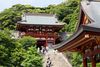
Set on the shores of Sagami Bay, Kamakura is a historic city that once served as the seat of the Kamakura Shogunate, the nation’s first military government. This era ushered in the rise of the samurai class and the spread of Zen Buddhism, leaving behind an impressive collection of temples, shrines, and statues. Visitors flock to Kamakura not only for its rich heritage but for its picture-postcard landscapes that offer a refreshing escape from Tokyo’s urban bustle.
Among Kamakura’s most iconic landmarks is the Great Buddha at Kōtoku-in. This magnificent bronze relic, dating back to the 13th century, sits resolute in the open air, having survived earthquakes and typhoons. The tranquil grounds around it offer visitors peaceful respite and the unique opportunity to step inside the statue—a delightful experience for all who visit.
For those who prefer to explore on foot, Kamakura boasts several scenic hiking trails, such as the Daibutsu Hiking Trail and Ten-en Trail, which meander through leafy, elevated forests and connect various storied temples. These routes provide stunning vistas of Sagami Bay and the city below, making them ideal for nature enthusiasts and impassioned photographers.
Kamakura’s culinary scene is another highlight. The city is renowned for its freshly caught seafood, traditional sweets, and affordable street eats like golden croquettes and skewered dango dumplings. Komachi Street, near Kamakura Station, is a food lover’s paradise, offering everything from matcha ice cream to Daibutsuyaki (Buddha-shaped cakes). This lively street is also home to artisan shops where visitors can find locally crafted pottery, textiles, and souvenirs, imbued with traditional flair.
Not to be missed are Kamakura’s beaches, such as Yuigahama and Zaimokuza. These coastal stretches are great for swimming, surfing, and sunbathing, and the town’s wave riding culture is complemented by laidback beach cafés and board rental shops. Summer is particularly lively, drawing in Tokyoites seeking a seaside escape.
02
Mount Fuji and Fuji-Hakone-Izu National Park
Visit Japan’s iconic peak
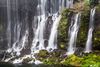
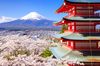
Mount Fuji, Japan’s tallest peak and a UNESCO World Heritage Site, is a photogenic destination that captivates adventurers and nature lovers in their millions. The mountain’s symmetrical, ice-capped cone is an iconic symbol of Japan—its image has made its way onto endless numbers of postcards and art prints, especially when framed with pastel-pink cherry blossoms.
One of the most popular experiences at Mount Fuji is climbing its slopes. While challenging, the ascent is a rewarding adventure that attracts hikers from around the world. For those who prefer to admire the mountain’s beauty from afar, Fuji-Hakone-Izu National Park provides jaw-dropping vantage points, including the picturesque shores of deep-blue Lake Ashi.
Within the national park, visitors can explore a myriad of natural wonders. Aokigahara Forest, known for its dense foliage and mystical ambiance, is home to hiking trails that lead to hidden caves and breathtaking viewpoints. Owakudani, a surreal volcanic valley, features bubbling hot springs and sulfurous pools. Here, the famed Kuro-Tamago (black eggs boiled in volcanic waters) are a must-try delicacy, with local folklore promising an extended lifespan for those who savor them.
Cultural enthusiasts and history buffs will find Hakone Shrine and the Edo-period Hakone Checkpoint truly fascinating. These sites deliver rare insights into Japan’s complex past, with their traditional architecture and tranquil surroundings inviting deep contemplation at every turn. Visitors can wander the shrine’s landscaped grounds or learn about the checkpoint’s role in controlling travel during feudal times.
On an extended trip, explore nearby attractions like the Fuji Five Lakes, which provide panoramic vistas of Mount Fuji, or the Izu Peninsula with its white-sand beaches, inviting turquoise ocean, and thermal hot springs with purported healing benefits. Visitor centers throughout the park offer multilingual support and guided nature programs, ensuring that every traveler can fully appreciate this remarkable pastoral region.
03
Nikko
Majestic temples surrounded by nature
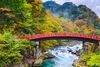
Nikko, a compact city steeped in history, is nestled in the mountains of Tochigi Prefecture and is home to a collection of stunning UNESCO World Heritage Sites. Among them is Toshogu Shrine, a lavishly decorated complex dedicated to Tokugawa Ieyasu, the founder of the Tokugawa Shogunate. Its ornate carvings and yellow-gold flourishes stand in stark contrast to its forest surroundings. Nearby, Futarasan Shrine and Rinno-ji Temple offer further opportunities for spiritual reflection with their Shinto and Buddhist architectures and idyllic landscaped gardens.
Beyond its historical allure, Nikko is a haven for nature lovers. The Senjogahara Marshland boasts a network of scenic trails that are ideal for leisurely walks, while boat rides on Lake Chuzenji offer magnificent views of Mount Nantai. Kegon Falls, a fairy-tale cascade that plunges over 300 feet, is a major highlight and is particularly captivating during autumn when the surrounding foliage bursts into reds and golds.
Nikko’s culinary offerings are equally enticing, with “Yuba,” or tofu skin, being a local specialty. Served in traditional restaurants, this dish is a flavorful testament to the region’s distinct culinary heritage. Visitors can also peruse shops selling handcrafted woodwork and locally made sweets, which make unique souvenirs for loved ones back home.
Multilingual staff and brochures, as well as discount passes for local transport, deliver a seamless experience for all visitors. Don’t miss nearby attractions like the Kanmangafuchi Abyss, a tranquil gorge lined with stone statues, and the Edo Wonderland theme park for family-friendly entertainment and historical reenactments.
04
Shizuoka
For panoramic vistas and gastronomic delights
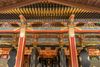
It might be renowned for its glorious views of Mount Fuji, but the charismatic city and prefecture of Shizuoka is also celebrated for its myriad natural attractions and culinary delights. Located along Japan’s dramatic Suruga Bay coastline, Shizuoka provides a refreshing escape from Tokyo and is conveniently located only 2.5 hours away.
One of the highlights of Shizuoka is its unrivaled vistas of Mount Fuji. From the region’s pristine beaches and lush tea fields, visitors can admire the volcano’s majestic silhouette rising up against the sky. These beauty spots are ideal vantage points where one can take photographs of Fuji’s iconic ice-capped peak. Must-visits include Obuchi Sasaba tea plantation and the Miho Beach peninsula.
For those seeking cultural enrichment, Sumpu Castle Park offers a glimpse of Shizuoka’s multifaceted past, with reconstructed structures and landscaped gardens that are ideal for leisurely walks. Nearby markets provide opportunities to shop for local crafts and green tea products, allowing visitors to take home a piece of Shizuoka.
And when all that sightseeing works up an appetite, there’s spectacular food to dig into. Travelers can fill up on Shizuoka Oden, a unique take on traditional Japanese stew. This is a must-try when you’re in the area, with its assortment of ingredients simmered in a flavorful broth. There’s also a great variety of fresh seafood from Suruga Bay that further enhances the gastronomic experience, with local specialties served in waterfront restaurants that line the coast.
05
Kawagoe
Edo-period castle town imbued with nostalgia
Affectionately known as Little Edo, Kawagoe delivers a riveting look at Japan’s feudal past. Just a short train ride from Tokyo, this traditional castle town boasts a wealth of old clay warehouses and merchant homes, making it an excellent day trip for intrepid tourists interested in historic architecture.
The heart of Kawagoe, along with its impeccably preserved Edo-period architecture, can be found along Kurazukuri Street. Here, bygone merchant warehouses, or kura, with heavy tiled roofs, evoke a nostalgic atmosphere, transporting visitors back to a time when feudal commerce flourished. This is a wonderful place to start gift shopping as you can visit little stores selling all kinds of tantalizing goods, including Japanese snacks, antiques, and souvenirs.
The town is also a feast for the senses that will set mouths watering, with Kashiya Yokocho, or Candy Alley, providing a whimsical experience with its old-fashioned sweet shops. Families and food enthusiasts will delight in sampling candied sweet potatoes (imo), deep-fried dough (karinto), handmade rice crackers (senbei), and Japanese dumplings (dango).
To learn more about local food, visitors can take part in educational experiences at Matsumoto Soy Sauce Brewery. Guests learn about traditional fermentation methods and sample artisanal soy sauce. This blend of gastronomic and cultural exploration adds depth to any visit, offering unique insight into the region’s culinary past.
For a truly immersive experience in Kawagoe, visiting on Kimono Day is a must. This is celebrated on the 8th, 18th, and 28th of each month, and during this time, visitors can rent an elegant kimono or yukata to wear as they stroll along the historic streets. The vibrant colors and intricate designs of this traditional Japanese attire make for great Insta selfies.
Kita-in Temple, with its collection of 538 Rakan statues, offers a peaceful spiritual retreat, far removed from modern life. Each idol boasts distinct facial expressions, inviting contemplation and admiration from those who view them. The temple grounds are particularly enchanting during cherry blossom season, when dozens of frothy pink and white sakura burst into life before shedding their petals dramatically.
06
Yokohama
A unique marriage of modernity and heritage
Yokohama, a bustling port city just half an hour from Tokyo, seamlessly unites futuristic architecture with a textural, layered history marked by Chinese immigration, the fishing industry, and international trade. Japan’s second-largest metropolis is renowned for iconic landmarks like the Red Brick Warehouse and Yamate Western Houses, which showcase an architectural prowess unique to the region. These buildings recall Yokohama’s past as a booming trade port and provide a picturesque setting for strolls and photographs.
One of the quirkier attractions in Yokohama combines history and food into a gastronomic journey. The CupNoodles Museum offers an interactive experience that delights visitors of all ages. Families can create custom CupNoodles to experiment or suit their own tastes and learn about the history of instant ramen. Another cultural and culinary hub is Japan’s largest Chinatown, which further enriches day trips with atmospheric streets edged with dim sum eateries and temples.
For a more modern day of entertainment, visitors can stroll around Minato Mirai (Harbor of the Future). This glamorous waterfront district of Yokohama teems with retail and entertainment attractions like shopping malls and amusement parks. Don’t miss the iconic Landmark Tower, the third tallest building in Japan – visit its Sky Garden observation deck on the 69th floor for incredible views. The district’s lively urban atmosphere is complemented by a variety of dining options, from chic cafés to international restaurants serving everything from exotic Hawaiian cuisine to extravagant Asian buffets.
Meanwhile, far from the hubbub, Sankeien Garden offers a serene outdoor retreat with traditional Japanese landscapes and historic buildings that have been carefully relocated from Kyoto and Kamakura to be preserved in this peaceful haven. The garden’s beauty is especially captivating during cherry blossom and autumn foliage seasons, providing a cinematic backdrop for relaxation and reflection.
Yokohama also boasts an abundance of marine activities, including harbor and dinner cruises that showcase the city’s skyline from the water. These excursions are excellent for romantic outings, as well as big-group adventures, providing unforgettable views and gastronomic experiences.
It’s so simple to find an amazing day trip from Tokyo. From the historic castle town of Kawagoe to the cinematic splendor of volcanic Mount Fuji, Japan is awash with landmark attractions that are culturally rich and picture-postcard beautiful. Many of these destinations are within a short distance of Tokyo, making it convenient to hop on a train or a bus and head out to explore while you’re staying in the bustling streets of the metropolis. There are plenty of accommodations that you can use as a base, from budget city hostels to hotels in glitzy skyscrapers. Book a flight to Tokyo and then start planning tours and rural day trips.