

Five famous places to see in Tokyo
Tokyo’s iconic landmarks take travelers on an unforgettable journey to the city’s centers of spirituality and innovation, from its oldest temple to its highest tower
Tokyo’s most famous places exemplify one of the city’s two defining characteristics: tradition and innovation. From historic shrines and temples to futuristic towers, the city is a treasure trove of culture and architectural wonders. Visitors can wander through serene landscapes, marvel at towering, or step back in time at one of Japan’s oldest temples. A fun-filled man-made island offers a peek into the future of urban leisure and entertainment, while peaceful grounds provide a spiritual escape from the bustling city. Each of these destinations showcases a side of modern or ancient Japanese history, and a sweeping tour of them all gives travelers a fuller picture of what Japan’s capital has to offer.
01
Senso-ji Temple
Old traditions are alive and well at Tokyo’s most revered temple
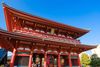
Situated in the historic Asakusa district, Senso-ji Temple holds the title of Tokyo’s oldest temple, with its origins dating back to the 7th century. This cultural landmark is dedicated to Kannon, the Buddhist bodhisattva of compassion and mercy, one of Japan’s most widely venerated deities. As legend has it, two fishermen fishing in Asakusa’s Sumida River brought in their net to find it contained a statue of Kannon. The highly sacred object was hidden within the temple, and the Japanese have been visiting Senso-ji to pray to the bodhisattva ever since, from the Shoguns through the 30 million annual visitors of today.
A visit to the temple begins at its imposing Thunder Gate, the Kaminarimon, where visitors are greeted by an enormous red paper lantern weighing hundreds of pounds. Flanked by statues of the gods of wind and thunder, this monumental entrance sets the stage for the grandiose temple complex ahead.
The walk from the gate to the temple itself takes visitors down Nakamise Street, a shopping avenue dating back to the Edo period. The stalls offer a delightful array of traditional sweet and savory treats along with Japanese crafts and affordable souvenirs. The grilled senbei crackers and sweet ningyo-yaki cakes are notable Asakusa specialties.
The Senso-ji Temple grounds are alive with cultural rituals that all are encouraged to participate in, like the burning of incense and the drawing of fortunes. Light a stick of incense, stick it in the giant cauldron in front of the central hall, and waft the smoke towards the part of the body which you wish to purify. When drawing omikuji fortunes, if the fortune is good, visitors carry it home with them. If it’s bad, they tie it to a nearby tree to symbolize leaving it behind.
Senso-ji is the site of several of Tokyo’s most notable festivals, including its largest festival, Sanja Matsuri. Each May, as part of this festival, locals and visitors come to witness the traditional daigyoretsu procession and the carrying of mikoshi shrines to the temple. In July, Kannon is thought to bestow a special blessing on visitors to the Hozuki-Ichi Fair, during which locals come to purchase hozuki. This ornamental plant has a delicate papery flower resembling a Chinese lantern. Winter travelers can visit during the end-of-year Hagoita-Ichi Fair to purchase beautifully decorated hagoita paddles, said to dispel evil spirits in preparation for the new year.
02
Shinjuku Gyoen National Garden
Natural splendor in all four seasons
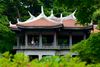
Shinjuku Gyoen National Garden is a verdant oasis in the heart of Tokyo, offering visitors a tranquil escape from the city’s non-stop motion. This expansive garden combines Japanese, French, and English landscaping styles, with areas devoted to each.
Walk along the paths between rose beds in the formal garden, to the wide-open lawns of the central landscape garden, and finally to the classical Japanese garden. The last will be the highlight for many visitors, designed with large ponds dotted with islands and crossed by bridges. Standing amid the still water and greenery is the quaint Taiwan Pavilion, built on the occasion of an emperor’s wedding.
The garden’s origins date back to the Edo period, during which it was constructed as a feudal lord’s estate. It became an imperial garden in 1906, but was tragically decimated during the bombings of the Second World War. The garden seen today was rebuilt in the post-war years, when it was designated as a national garden.
Shinjuku Gyoen’s 58 hectares are a visual delight throughout all four seasons. As one of Tokyo’s premier spots for cherry blossom viewing, locals flock to the garden each spring to picnic beneath the blossoms of more than 400 trees. Summertime is ideal for appreciating the vast gardens at the peak of their verdancy, while autumn brings a stunning display of chrysanthemums and striking Japanese maples. These fall colors are joined by spellbinding, after-dark Noh Theater performances, held on a stage tucked into the forest. Winter is arguably the most magical time to visit the Japanese garden, which is especially picturesque, covered in a layer of white snow.
A highlight of the garden is its 19th-century greenhouse, which houses a collection of tropical and subtropical plants, including a variety of orchids. The greenhouse pioneered modern Japanese horticultural practices and now serves as a conservation hub for many endangered species. After venturing to all corners of the gardens, be sure to stop at the teahouse, which serves matcha and seasonal wagashi sweets.
03
Tokyo Skytree
Soaring heights and panoramic city views
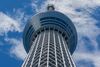
Tokyo Skytree is a modern marvel that dominates the city’s skyline. Standing at an impressive 2,000 feet, it ranks among the world’s tallest towers and clocks in hundreds of feet higher than New York City’s One World Trade Center and Chicago’s Willis Tower. The Skytree’s futuristic yet elegant design features subtly curving steel rising from a triangular base and latticed beams that appear almost woven. Brightly illuminated after dark, it’s visible from almost anywhere in the city.
The tower serves several functions, primarily playing a critical role in broadcasting by overcoming signal interference from Tokyo’s skyscrapers. More famously, it houses two excellent observation decks which provide breathtaking panoramic views. Its earthquake-resistant design features cutting-edge engineering, which reduces sway in the event of an earthquake by up to 50 percent, making it a testament to Japan’s innovative spirit and commitment to social welfare.
The two observation decks are situated at 1,148 feet and 1,476 feet, both offering 360° views of the sprawling city as it stretches to meet the horizon. The glass-floor Tembo Deck provides the thrill of walking in the sky, while the Galleria’s sloped glass ramp allows for a unique perspective of the cityscape. Timing is a crucial factor in a tower visit, with sunrise and sunset giving the cityscape a special glow, and the nighttime vista, illuminated by millions of lights, being especially memorable. For a stunning view of Mount Fuji, arrange your visit for a clear winter day.
Beyond its spectacular city views, Tokyo Skytree is also a hub of shopping and entertainment. Skytree Town, at the tower’s base, houses the Solamachi Mall, where more than 300 shops sell the latest Japanese fashion trends, children’s toys, and souvenirs like paper fans and wagashi sweets. There are dozens of eateries to choose from, including popular chain restaurants, themed cafes, and affordable shops selling favorites like soba noodle soup with crispy tempura.
04
Meiji Jingu
A sacred space surrounded by an enduring forest
The celebrated Meiji Jingu Shrine is a significant spiritual site and a blessed escape from Tokyo’s urban hustle. Established in 1920, it is dedicated to Emperor Meiji and Empress Shoken, whose souls are enshrined there. The emperor’s legacy is the foundation of modern Japan, marked by its rapid industrialization and transformation from a feudal state to one of the world’s major powers from the 19th to the 20th centuries.
The grounds of this revered shrine are so quiet that you nearly forget it’s located in lively Shibuya. This is largely due to the dense forest which surrounds it, man-made and planted by 110,000 volunteers. The 70-hectare forest is composed of 234 varieties of trees and is designed to be self-sustaining and, therefore, stand the test of time. The non-intervention ecology employed here means that fallen trees and leaf litter are left undisturbed, allowing the forest to move through its natural cycles.
The approach to the shrine is marked by wide gravel paths conveying visitors through the transition from city life to sacred space. Passing through the majestic torii gate, visitors enter the tranquil inner grounds of the shrine complex. Walls of sake barrels and Western wine barrels, gifts from domestic and foreign dignitaries, border the path approaching the central structures.
The shrine’s grand buildings, rebuilt to their original glory after the destruction of the Second World War, honor the imperial legacy. The irises planted along the edge of a pond in the Inner Garden hold deep cultural significance, from their appearance in The Tales of Ise, a foundational work of Japanese literature, to their symbolic presence in imperial gardens across the centuries.
While Meiji Jingu’s grounds are largely unadorned open spaces and natural forest well suited to rest and contemplation, it also houses a small museum and a few restaurants. The Meiji Jingu Museum showcases imperial art and artifacts while contextualizing the shrine’s history and construction. The glass-walled Forest Terrace, within the Inner Garden, is the place to go for refreshment. Relax with matcha and cake or indulge in a comforting bowl of Japanese beef curry, surrounded by the serene green garden.
05
Odaiba
An island of entertainment in Tokyo Bay
The futuristic Odaiba is a one-of-a-kind entertainment and leisure hub built on a man-made island in Tokyo Bay. Built in the 1850s by the Edo shogunate as a defense against marine threats, the island lay bare for more than a century before it was transformed into the unique modern attraction it is today. Visitors can easily spend an entire day on Odaiba, with its shopping centers, amusement parks, cinemas, and beach.
Odaiba is connected to the mainland by the Rainbow Bridge, a mile-long suspension bridge lent a heavenly aura by its nightly illumination. It has two pedestrian walkways that are popular with photography enthusiasts looking to get exceptional shots of the Tokyo skyline. The north-facing walkway has the golden view, with the charming Tokyo Tower and lofty Tokyo Skytree jutting out of the dense urban cityscape. To enjoy the view in a more leisurely fashion, head to Odaiba Marine Park and board a boat to take a mini cruise of the bay.
Anime fans flock to Odaiba for its life-size Gundam shows, where timed transformations and light displays captivate audiences. They also make an annual pilgrimage in March to the Tokyo Big Sight convention center for AnimeJapan, one of the world’s largest anime events, attended by both fans and industry professionals. Tokyo Big Sight also hosts the spectacular Design Festa, where independent artists from across Asia gather twice a year to sell their creations.
Odaiba is a great destination for families, with opportunities for education, entertainment, and relaxation. There’s also the National Museum of Emerging Science and Innovation, or Miraikan, which features engaging exhibits about the frontiers of scientific innovation, including robotics, astronomy, and Earth sciences. Its two indoor amusement parks make for a fun rainy-day activity. When the sun is shining, pack swimwear and head down to Odaiba’s beach, which offers panoramic city views from its shores.
Famous places in Tokyo take travelers on a whirlwind tour of the city’s history, culture, and modern innovation. The city’s most sacred sites, Sensoji-Temple and Meiji Jingu, give travelers a glimpse into Japanese history and spirituality, while its innovative technology and architecture offer insight into the future not just of Japan, but the world. From the serenity of Shinjuku Gyoen to the dizzying heights of Tokyo Skytree’s observation decks, each destination looks at Japan’s capital through a unique lens. Be sure to include these celebrated spots on your itinerary and start planning your Tokyo travel today.
Go further with the Expedia app
