

Panamá: the food edit with chef Isaac Villaverde
From Panama City’s bustling food scene to the coastal rhythms of Colon and Portobelo, chef Isaac Villaverde explores the Afro‑Panamanian flavors that define the country’s contemporary cuisine.
Panama’s food tells the story of movement: people crossing oceans, ingredients travelling across borders, and traditions settling into something distinctively Panamanian. In Panama City, that story comes into focus fast.
“It’s a very Caribbean city,” says local chef Isaac Villaverde. You hear it in the music, he says, and taste it in dishes shaped by Afro-Panamanian tradition, Caribbean seafood, and West Indian spices.
Beyond the capital, the country’s flavors shift again in the highlands, on the islands, and along the Caribbean coast. Each region puts a slightly different spin on Panamanian cuisine, contributing to the country’s always-evolving food scene.
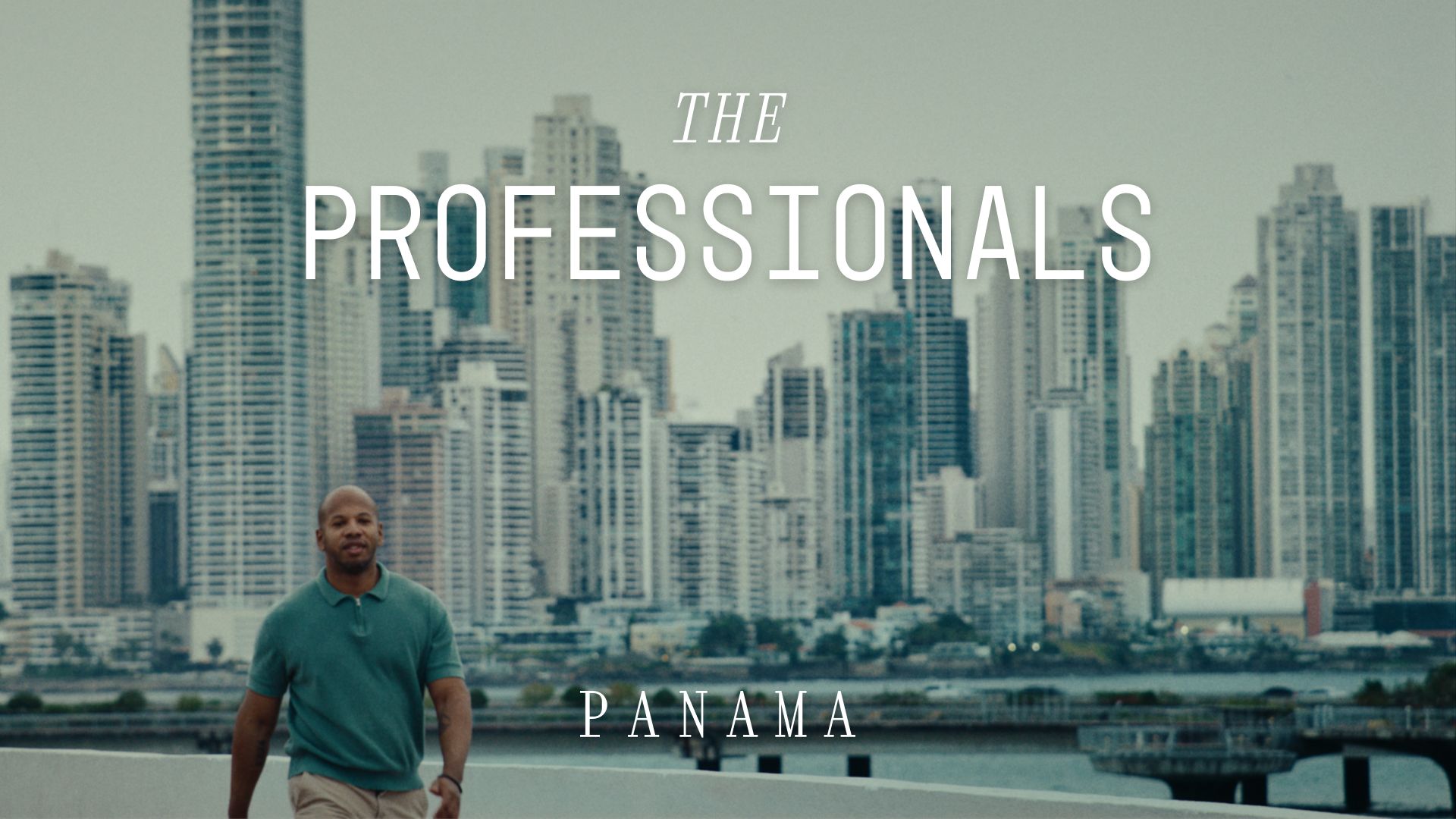
Big flavor in the city
Since founding La Tapa del Coco, Villaverde has continued to promote and share Afro-Panamanian traditions, culinary and otherwise. He grew up working in his family’s restaurant in Panama City, serving the food his grandmother cooked: fried fish and twice-fried smashed green plantains known as patacones. When the restaurant closed at midnight, he would go home and nap before waking up at four in the morning to go to the Mercado de Mariscos (fish market) with his father.
Mercado de Mariscos sits on the edge of the Pacific. While there, expect to smell salt on the ocean breeze and hear porters shouting “¡Cuidado!”—Spanish for “watch out”—as they push hauls of snapper from boats to ice-filled tables.
“We have some of the best tuna in the world,” Villaverde says, adding sea bass, red snapper, mahi mahi, and swordfish to the list of fresh catches often found on the table. One of his favorite preparations in Panama is whole fried fish marinated in what he calls the holy trinity of Panamanian cuisine: parsley, spring onion, and culantro, the jagged-edged relative of cilantro.
Outside the market itself, vendors sell Panamanian-style ceviche in plastic cups filled with ice-cold chunks of corvina. Vendors marinate the fish overnight—longer than in other versions of the dish in the region—and “cook” it in lime juice.
Around the market, you might spot small, sweet Caribbean lobsters sloshing around in buckets that are destined for lunch plates in nearby Casco Antiguo. The historic neighborhood offers a sharp contrast to the market’s bustle: sleek restaurants spill into cobblestone streets lined with palm trees and bougainvillea, while rooftop bars offer bird’s-eye views over plazas and churches. In the old quarter, the flavors found at the market—ceviche, whole fish, fried plantains, and other familiar staples—reappear in both family-run fondas serving classic dishes, and in chef-driven restaurants creating new interpretations.

The architecture mixes Spanish, French, and early American styles, with grand balconies and lush plants that bring the nearby jungle into the city.
To explore the breadth of Panama City’s food culture in one area, Villaverde recommends heading to San Francisco. The neighborhood is dense with restaurants that cover the range of Panama City’s many influences from Italian, Chinese, Spanish, Peruvian, Greek, and Afro-Caribbean communities.
That range also reaches Panama City’s most polished dining rooms. In the capital’s chef-driven restaurants, local seafood, tropical produce, and the country’s layered cultural influences are reworked without losing sight of the flavors that define Panamanian cooking. Restaurants like Maito, which ranked No. 18 on Latin America’s 50 Best Restaurants 2025, have helped position the city as a place where a market fish lunch and a serious multi-course dinner can feel part of the same story. Other notable tables, including Caleta, UMI, Cantina del Tigre and Fonda Lo Que Hay, have upscale ceviche-driven menus and contemporary takes on the traditional fonda format.
Villaverde’s culinary focus is on preserving Afro-Panamanian foods, many of which are now found across the country. Like Villaverde himself, many of the dishes have Caribbean roots—and are best tasted in the neighborhood where he grew up, Rio Abajo. The area is heavily influenced by Jamaican immigrants, and that has shaped the food, like saus (pickled pigs’ feet with plenty of scotch bonnet peppers) and Panamanian patties. Though Jamaica’s beef-filled golden patties have more worldwide fame, Villaverde is adamant: “These are Latino patties. You can taste the Latino side of it.” The patties from Jamaica and Panama share elements like coriander, turmeric, and flaky dough, but the Panamanian versions include garlic and culantro that give them a distinct character. “This is connected to Jamaica,” says Villaverde. “But it is something new.”
Taste the coast
Afro-Panamanian cooking traditions are most clear on Panama’s Caribbean side. In Colon and Portobelo, coconut, spice, seafood, and slow-cooked soups tell a story that reaches beyond any one town and into the broader scope of Panama’s food culture.
Many people come to Colon, Panama’s second-largest city, for its duty-free shopping at the edge of the canal. Villaverde recommends following the long, narrow streets to the city center, where you can browse the public food market to find Chinese, Afro-Panamanian, and more influences.
Fresh fruit is a cornerstone of the market. “Ask what fruit is in season,” Villaverde says. “When we’re not in pineapple season, we’re in mango season. When we’re not in mango season, it’s watermelon season.” For lunch, even on the hottest days, he suggests an Afro-Panamanian soup popular in Colon that is centered on either lentils, split peas or red kidney beans. Pig tail and starchy root vegetables like yam and cassava fill out the rest of the dish.
Portobelo, which translates to “beautiful port,” is an hour east along the coast. Many visitors come to see the Black Christ statue from 1814 and the brick and coral stone UNESCO World Heritage forts from the 17th and 18th centuries. Portobelo is one of Panama’s best-known centers of Congo culture that is rooted across Colon province. That influence shows up in the town’s galleries, craft workshops, music, clothing, and, of course, food.
Moving west from Colon to Bocas del Toro, Panama’s Caribbean culinary influences are more heavily influenced by Afro-Antillean traditions shaped by the easy abundance of seafood, coconut, and spice. Rondón, the coconut-rich fish stew popular in Jamaica, joins one pot, Johnny cake, and pan bon on the list of dishes you will find in this part of the country.
The Caribbean flavors on this stretch of the coast travel back to Panama City kitchens, across restaurant menus, and into dishes that now read as unmistakably Panamanian.

One pot, full of Panama
The dish that Villaverde says best represents Panama’s cuisine is one pot. As the name implies, it’s “everything in a pot,” he says. That includes multiple proteins—essentially, whatever’s on hand. Coconut oil and coconut milk also go in, a reflection of the Afro-Caribbean tradition of using every part of the abundant fruit. Rice, Villaverde notes, appears in many of the cultures that have shaped Panama’s cuisine. But in one pot, it often incorporates spices associated with Indian cooking, like turmeric and curry.
Once made with the bits and scraps that Afro-Panamanians could pull together and cook with rice, the dish is now—and has been for a decade—the top seller at Villaverde’s restaurant in Panama City. He serves it with pork ribs, fresh shrimp, coconut rice, beans, two kinds of plantains (cubes and crispy green ones), pickled vegetables, and curls of scallion. “It’s all mixed, and it tells a story of colonization and emancipation,” he says.
One pot reflects the many cultures that shape Panama’s cuisine while honoring Afro-Panamanian traditions, whether it’s served on the Caribbean coast in Colon, on the Pacific side in Panama City, or anywhere else in the country. “Our nation and our people are finally owning our own history and expressing it through gastronomy, at different levels, which is beautiful,” Villaverde says. “I see that happening every day.”
Can’t-Miss Panama Highlights

Where to stay
Panama


Go further with the Expedia app
