
![The Arc de Triomphe de l'Étoile (Triumphal Arch of the Star) is one of the most famous monuments in Paris. It stands in the centre of the Place Charles de Gaulle (originally named Place de l'Étoile), at the western end of the Champs-Élysées. It should not be confused with a smaller arch, the Arc de Triomphe du Carrousel, which stands west of the Louvre. The Arc de Triomphe honours those who fought and died for France in the French Revolutionary and the Napoleonic Wars, with the names of all French victories and generals inscribed on its inner and outer surfaces. Beneath its vault lies the Tomb of the Unknown Soldier from World War I. The Arc de Triomphe is the linchpin of the Axe historique (historic axis) – a sequence of monuments and grand thoroughfares on a route which runs from the courtyard of the Louvre to the Grande Arche de la Défense. The monument was designed by Jean Chalgrin in 1806 and its iconographic program pits heroically nude French youths against bearded Germanic warriors in chain mail. It set the tone for public monuments with triumphant patriotic messages. The monument stands 50 metres in height, 45 m wide and 22 m deep. Its design was inspired by the Roman Arch of Titus. The Arc de Triomphe is built on such a large scale that, three weeks after the Paris victory parade in 1919 (marking the end of hostilities in World War I), Charles Godefroy flew his Nieuport biplane through it, with the event captured on newsreel. It was the tallest triumphal arch in existence until the completion of the Monumento a la Revolución in Mexico City in 1938, which is 67 metres high. The Arch of Triumph in Pyongyang, completed in 1982, is modelled on the Arc de Triomphe and is slightly taller at 60 m [Wikipedia.org]](https://images.trvl-media.com/place/6187899/ce730aaa-6e04-4cb2-ae2d-4e846d97c027.jpg?impolicy=fcrop&w=1200&h=500&q=medium)

















Discover top 17th Arrondissement attractions
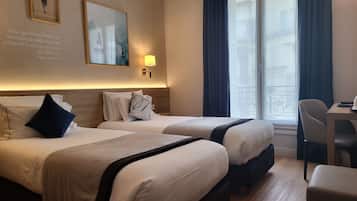
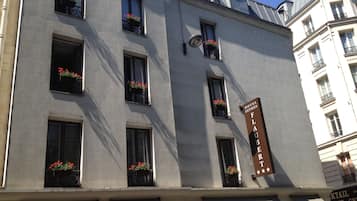
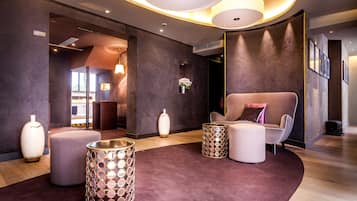
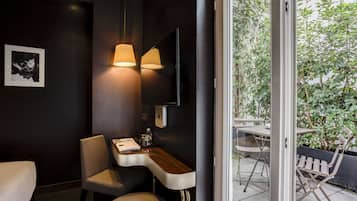
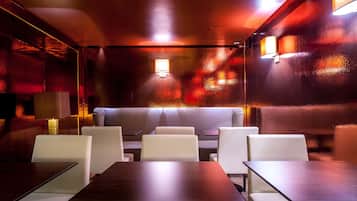
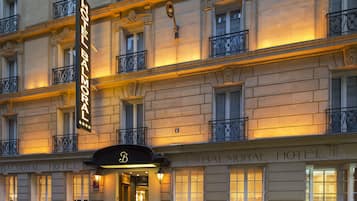
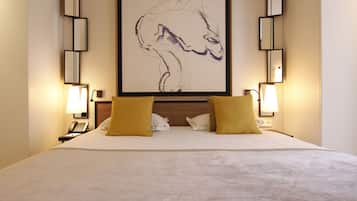
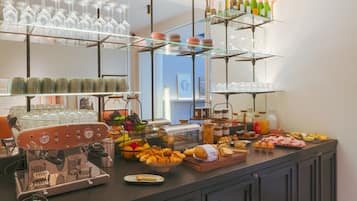
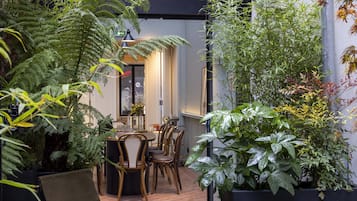
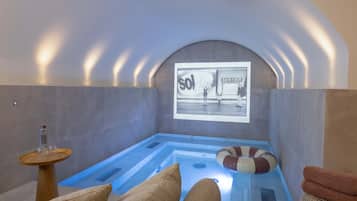
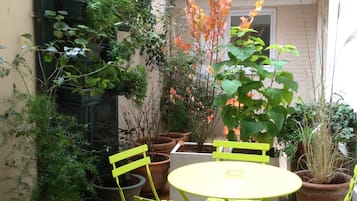
Nestled in the vibrant 17th Arrondissement, travelers will find a delightful mix of culture and relaxation. Start your day at the Parc Monceau, a beautifully landscaped park perfect for a leisurely stroll or a family picnic, complete with charming statues and a picturesque pond. For art enthusiasts, the Musée Cernuschi showcases an impressive collection of Asian art, offering a tranquil escape from the bustling city. Food lovers will revel in the local markets, such as Marché des Batignolles, where you can sample fresh produce and gourmet treats. The area is also home to the stunning Palais des Congrès, hosting various events and exhibitions, making it a hub for both business and leisure travelers. After a day of exploration, unwind in one of the upscale hotels, where you can expect personalized service and spacious rooms that cater to families. Many hotels feature family-friendly amenities and easy access to public transport, ensuring that your Parisian adventure remains seamless and enjoyable.


