跳到页面主要部分
选购旅游产品
选购旅游产品
选购旅游产品
住宿
住宿
机票
机票
租车
租车
套餐
套餐
旅游活动
旅游活动
游轮
游轮
优惠
打开 App
USD
发布您的住宿
联系我们
行程
Communication Center icon
登录
通过会员价解锁折扣立减
登录
了解 One Key 计划详情
我要提建议
北美
弗吉尼亚
美国
北美
阿尔伯马尔县游览观光
旅游活动、景点、导览线路
活动地点
从
到
搜 索
游览阿尔伯马尔县
活动种类
阿尔伯马尔县旅行指南
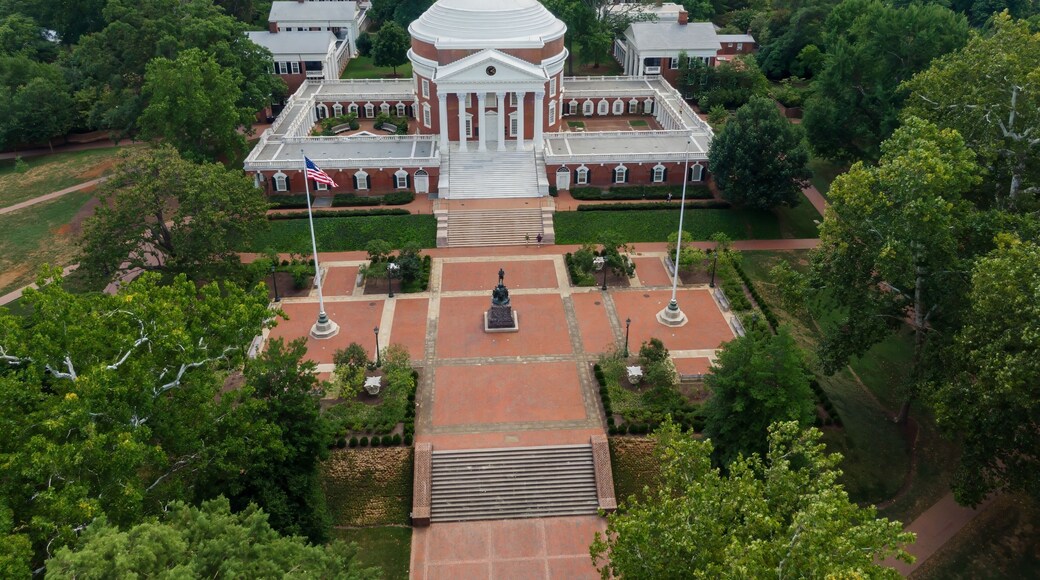
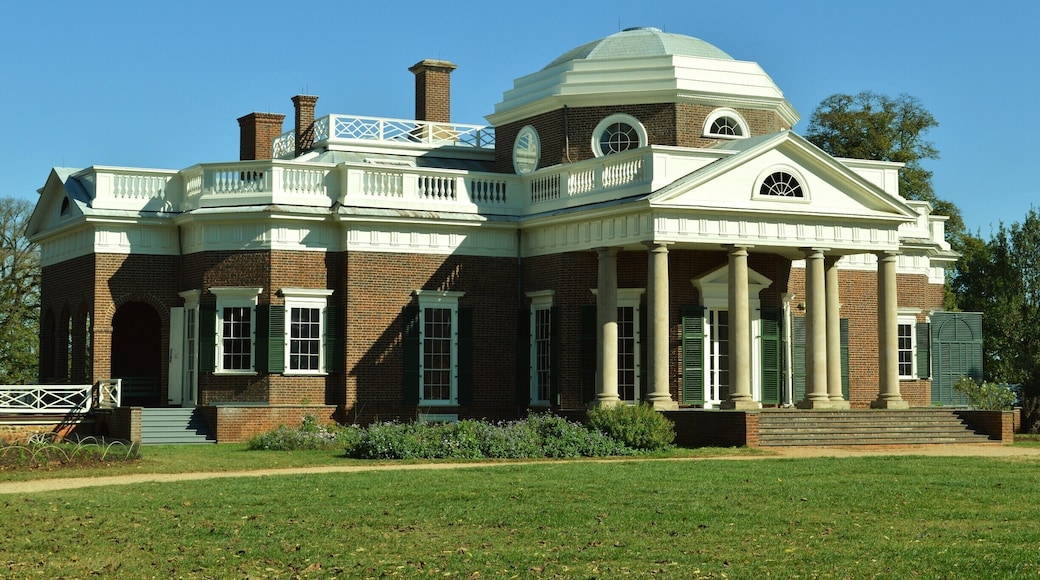
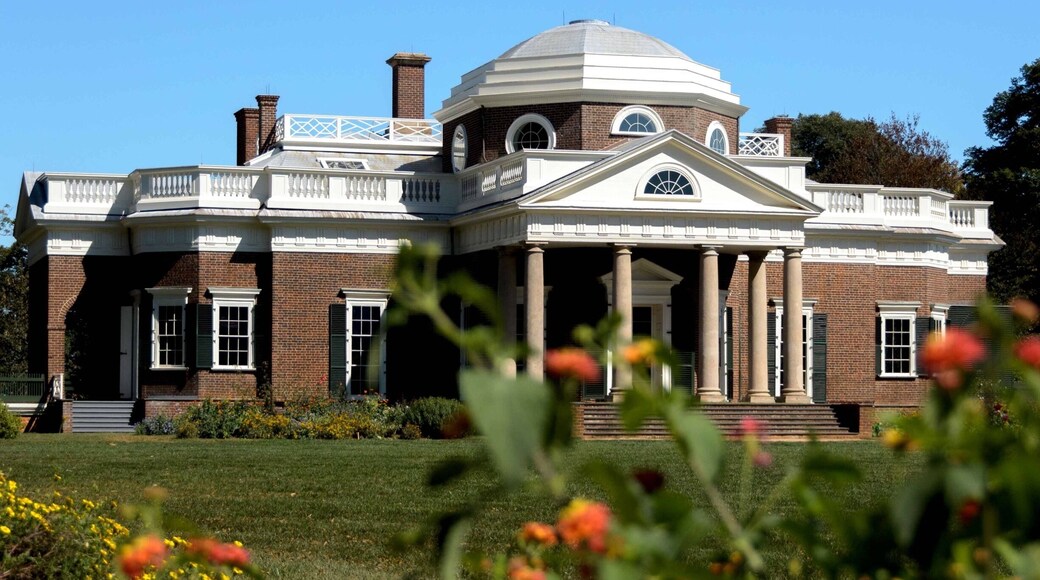
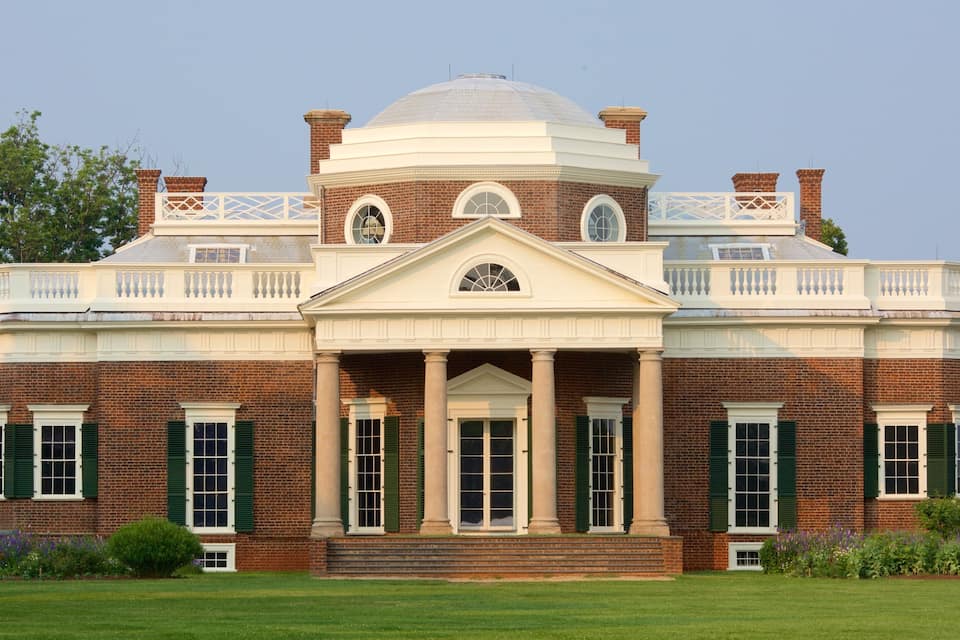
Monticello was the primary plantation of Thomas Jefferson, the third President of the United States, who began designing and building Monticello at age 26 after inheriting land from his father. Located just outside Charlottesville, Virginia, in the Piedmont region, the plantation was originally 5,000 acres (20 km2), with Jefferson using slaves for extensive cultivation of tobacco and mixed crops, later shifting from tobacco cultivation to wheat in response to changing markets. Jefferson designed the main house using neoclassical design principles described by Italian Renaissance architect Andrea Palladio, subsequently reworking the design through much of his presidency to include design elements popular in late 18th-century Europe and integrating numerous of his own design solutions. Situated on the summit of an 850-foot (260 m)-high peak in the Southwest Mountains south of the Rivanna Gap, the name Monticello derives from the Italian for "little mount". Along a prominent lane adjacent to the house, Mulberry Row, the plantation came to include numerous outbuildings for specialized functions, e.g., a nailery; quarters for domestic slaves; gardens for flowers, produce, and Jefferson's experiments in plant breeding — along with tobacco fields and mixed crops. Cabins for field slaves were located farther from the mansion. At Jefferson's direction, he was buried on the grounds, in an area now designated as the Monticello Cemetery. The cemetery is owned by the Monticello Association, a society of his descendants through Martha Wayles Skelton Jefferson.[4] After Jefferson's death, his daughter Martha Jefferson Randolph sold the property. In 1834 it was bought by Uriah P. Levy, a commodore in the U.S. Navy, who admired Jefferson and spent his own money to preserve the property. His nephew Jefferson Monroe Levy took over the property in 1879; he also invested considerable money to restore and preserve it. In 1923, Monroe Levy sold it to the Thomas Jefferson Foundation (TJF), which operates it as a house museum and educational institution. It has been designated a National Historic Landmark. In 1987 Monticello and the nearby University of Virginia, also designed by Jefferson, were together designated a UNESCO World Heritage Site.
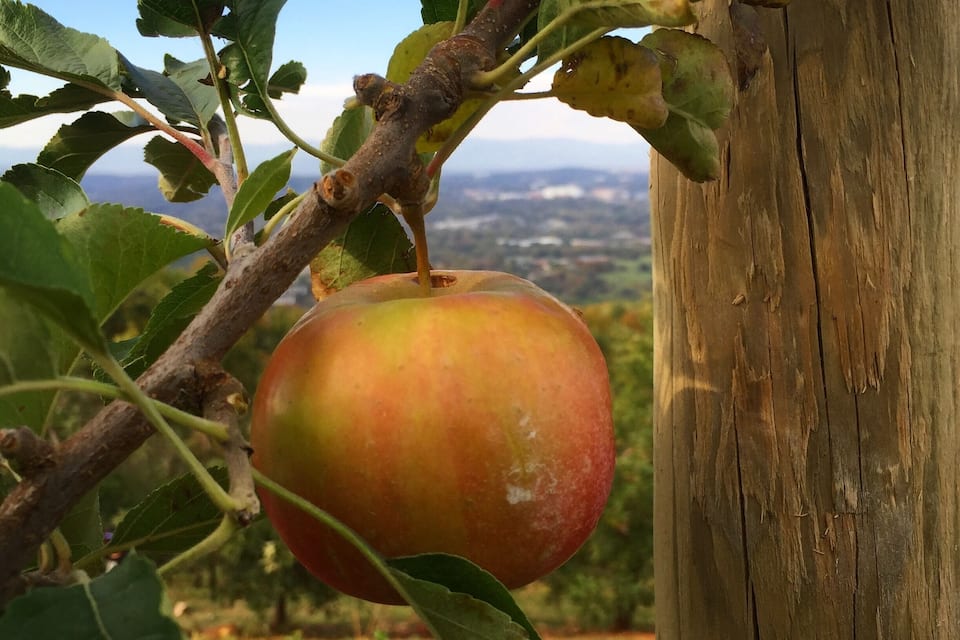
Jefferson’s plantation home confirmed as UNESCO cultural site in 1987. Lots of visitors daily, so shooting something in the foreground helps to mask wanderers.
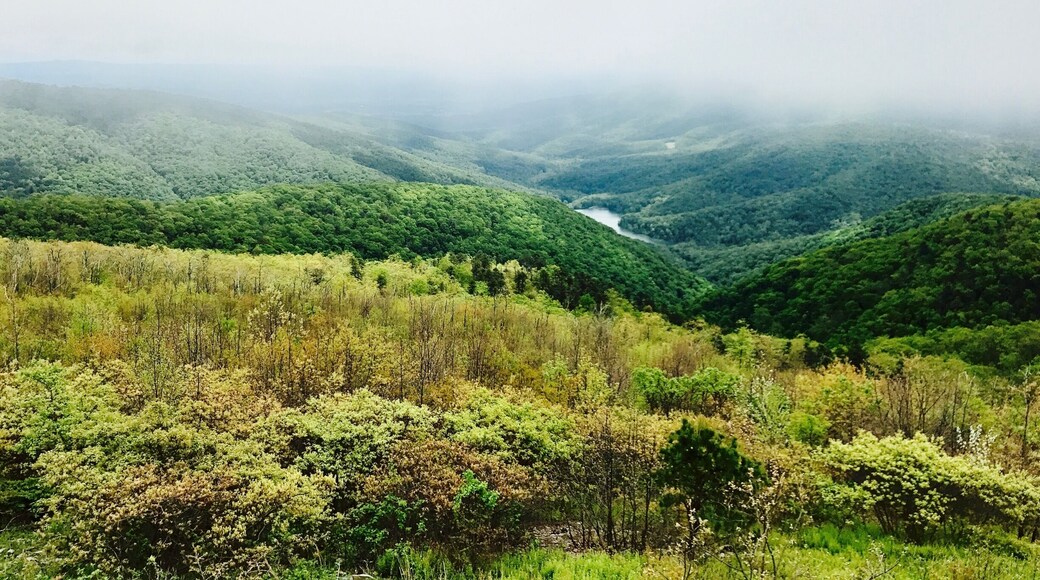
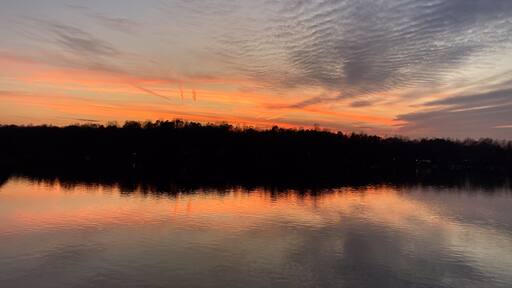
Best look out south of the park! Loving the clouds today
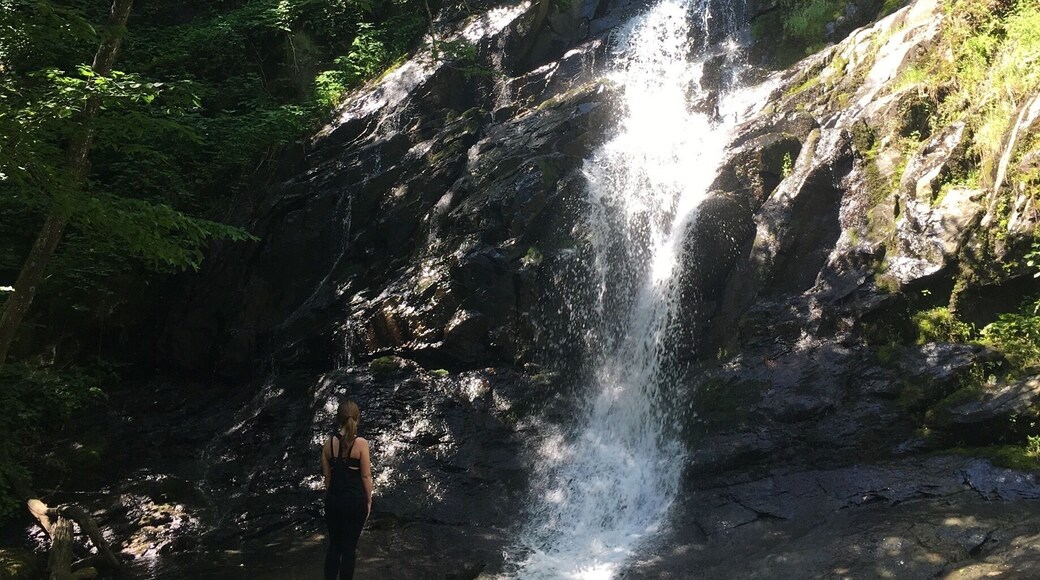
One of the many beautiful waterfalls off of Skyline Drive in Virginia. This was one of many my friend Cassie and I saw while hiking Doyle's River Falls trail this summer.
25
查看全部 25 张照片
探索活动
探索数千种精彩体验,从活动、景点到一日游与接送服务一应俱全。
轻松预订
无需排队——只需几分钟即可在线预订热门景点门票,许多活动均可免费取消。
尽享实惠
One Key 计划会员预订精选活动、酒店、租车和度假短租屋可享 % 或更多优惠。
了解 One Key 计划
年度假期促销
会员预订酒店和度假短租屋最高可省 40%。以优惠价格规划本年度的长假。
立即预订
阿尔伯马尔县附近的城市
韦恩斯伯勒
戈登斯维尔
科罗捷特
鲁克斯维尔
阿夫顿河
夏洛茨维尔
格林伍德
借助 Expedia App 走得更远
节省更多 - 使用 App 预订精选酒店最多可优惠 20%。我们的 App 优惠可帮您节省旅行费用,让您尽享更多旅行并随时随地管理行程。
使用设备上的相机扫描二维码,下载我们的 App
6b51c0ac-5067-4d04-9041-fb976cd53758
afc71e4b-260a-4eaa-9593-9bb28985d573