Crow Agency, MT
Travel Guide


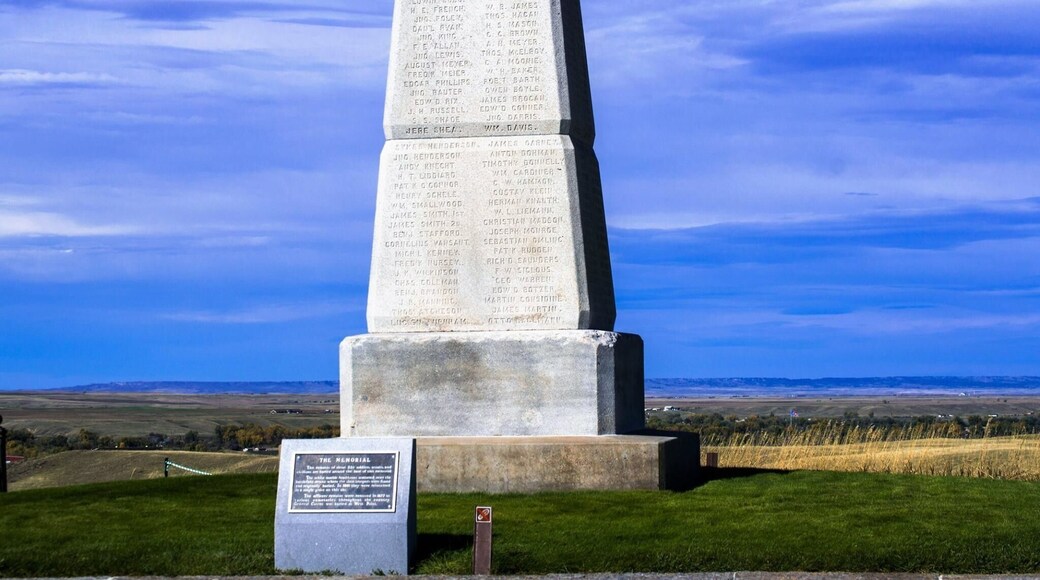
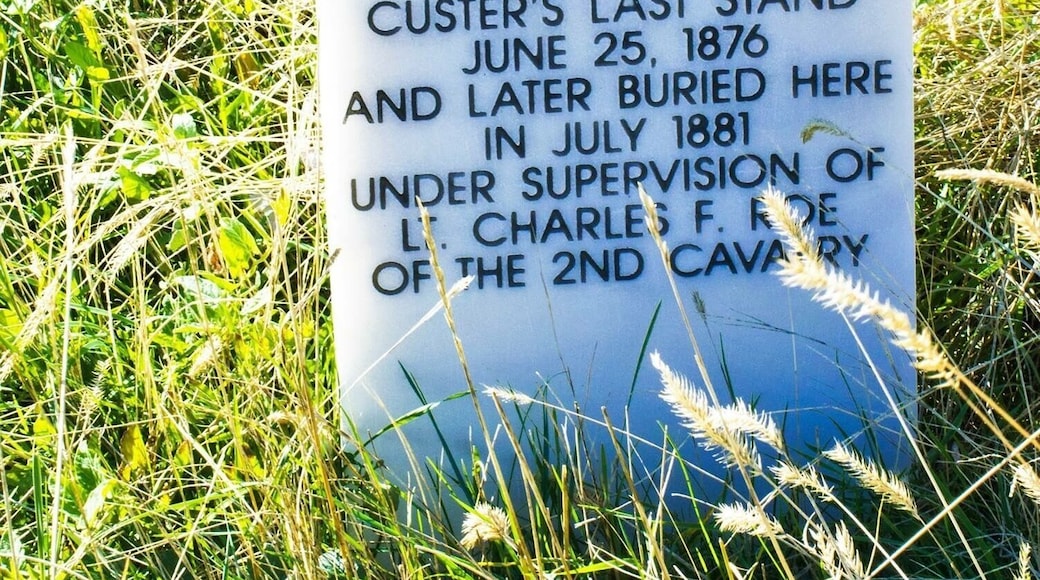
Visit Crow Agency
Homestead Inn and Suites
201 14th St W Hardin MT
The price is $143 total per night from Oct 17 to Oct 18
$143 total
per night
Oct 17 - Oct 18
Stay at this motel in Hardin. Enjoy free breakfast, free WiFi, and free parking. Our guests praise the breakfast and the helpful staff in our reviews. Popular ...
9.2/10 Wonderful! (1,004 reviews)
"No I don’t want to do this"
Reviewed on Oct 11, 2026
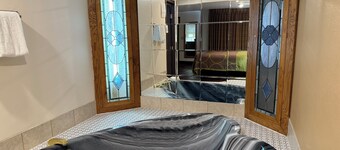
Hardin Lodge Little Bighorn Battle Field I-90
1324 N Crawford Ave Hardin MT
The price is $100 total per night from Nov 1 to Nov 2
$100 total
per night
Nov 1 - Nov 2
Book a stay at this business-friendly hotel in Hardin. Enjoy free breakfast, free WiFi, and free parking. Popular attractions Southwest Park and Big Horn County ...

Lariat Motel
709 N. CENTER AVE Hardin MT
Fully refundableReserve now, pay when you stay
The price is $153 total per night from Oct 12 to Oct 13
$153 total
per night
Oct 12 - Oct 13
Stay at this motel in Hardin. Enjoy free WiFi, free parking, and daily housekeeping. Our guests praise the helpful staff in our reviews. Popular attractions ...
Lowest nightly price found within the past 24 hours based on a 1 night stay for 2 adults. Prices and availability subject to change. Additional terms may apply.

West Glacier Cabin Village
350 River Bend Rd. West Glacier MT
Book a stay at this luxury cabin in West Glacier. Enjoy free WiFi, free parking, and laundry facilities. Our guests praise the helpful staff in our reviews. ...

Paddle Ridge
12400 U.S. 2 West Glacier MT
Stay at this cabin in West Glacier. Enjoy free WiFi, free parking, and an airport shuttle (surcharge). Our guests praise the helpful staff in our reviews. Popular ...

Dreamcatcher Tipi Hotel
20 Maiden Basin Dr. Gardiner MT
Stay at this campground in Gardiner. Enjoy free breakfast, free WiFi, and a garden. Our guests praise the helpful staff and the bathrooms in our reviews. Popular ...
9.8/10 Exceptional! (478 reviews)
"Although Dreamcatcher Tipi Hotel is a beautiful and unique property, with lovely decorations and a wonderful campfire with marshmallows, our experience was disappointing because the accommodation did not match its description. We booked a tipi advertised for five guests, with a king bed, two twin ..."
Reviewed on Oct 11, 2026
Lowest nightly price found within the past 24 hours based on a 1 night stay for 2 adults. Prices and availability subject to change. Additional terms may apply.
Stay near popular Crow Agency attractions
Frequently asked questions
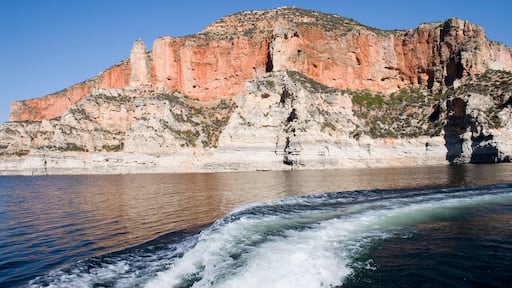
Explore a world of travel with Expedia
- Caravanparks in Hardin
- Casino in Hardin
- Pool in Hardin
- Marriott Hotels & Resorts Hotels in Billings
- 4 Star Hotels in Hardin
- Hotels in Busby
- 5 Star Hotels in Hardin
- Pet Friendly in Hardin
- Hotels in Bighorn
- Hotels in Crow Agency
- Inns in Garryowen
- Spa in Hardin
- 2 Star Hotels in Busby
- Cabins in Hardin
- Wyndham Hotels in Garryowen
- Hotels in Lodge Grass
- Hot Tub in Hardin
- 3 Star Hotels in Hardin
- Motels in Hardin
- Hotels in Hardin
- Apartments in Hardin
- Independent Hotels in Garryowen
- Motel 6 Hotels in Worden
- Hotels in Garryowen
- 2 Star Hotels in Hardin
- Best Western Hotels in Hardin
- Flights from Missoula (MSO) to Billings (BIL)
- Alaska Airlines SeaTac (SEA) to Billings (BIL) flights
- Flights from Phoenix (PHX) to Billings (BIL)
- Flights from Denver (DEN) to Billings (BIL)
- Flights to Crow Agency
- Flights to Hardin
- Flights to Billings
- American Airlines Dallas (DFW) to Billings (BIL) flights
- Frontier Airlines Denver (DEN) to Billings (BIL) flights
- Flights to Fort Smith
- Flights to Garryowen
- Flights to Lame Deer
- Flights from SeaTac (SEA) to Billings (BIL)
- Delta Air Lines Minneapolis (MSP) to Billings (BIL) flights
- Flights from Orlando (MCO) to Billings (BIL)
- Visit Ashland
- Visit Bighorn
- Shepherd Vacations
- Visit Garryowen
- Visit Colstrip
- Visit Hardin
- Visit Billings
- Decker Vacations
- Visit Central - Terry
- Visit Sanders
- Huntley Vacations
- Visit Decker
- Visit Hysham
- Garryowen Vacations
- Custer Battlefield Museum
- Visit Worden
- Yellowtail Dam Marina
- Sanders Vacations
- Southwest Park
- Visit Shepherd
- Visit Huntley
- Visit Pryor
- Billings Vacations
- Crow Agency Vacations
- Colstrip Vacations
- Visit Lame Deer
- Bighorn Vacations
- Hardin Vacations
- Custer Vacations
- Yegen Vacations
- Where to stay in Hardin
- Visit Forsyth
- Visit Yegen
- Worden Vacations
- Visit Fort Smith
- Little Bighorn Battlefield
- NICONICO Rent A Car Rental Cars in Crow Agency
- Convertible Car Rentals in Billings
- Car rentals in St. Xavier
- Budget Rental Cars in Hardin
- Thrifty Car Rental Cars in Hardin
- Pickup Car Rentals in Billings
- Get Your Car Rental Cars in Hardin
- Hertz Rental Cars in Hardin
- Car rentals in Garryowen
- Car rentals in Fort Smith
- Van Car Rentals in Billings
- Car rentals in Custer
- Minivan Car Rentals in Crow Agency
- Car rentals in Crow Agency
- Standard Car Rentals in Hardin
- Car rentals in Hardin