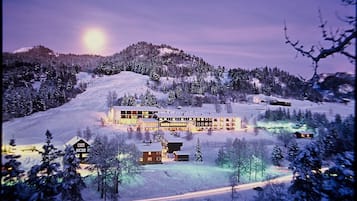
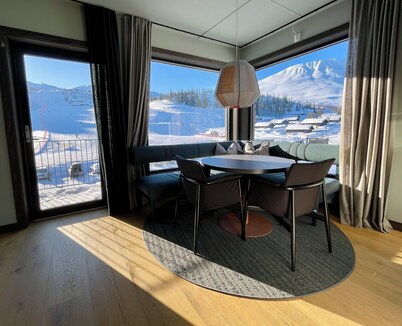
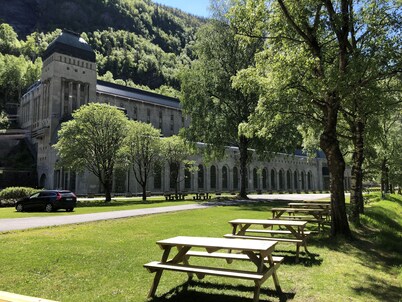
The best time to go to Rjukan depends entirely on your preferred activities, with distinct advantages for both summer (June-August) and winter (December-March).For those interested in hiking, cycling, and exploring the outdoors under the Midnight Sun, summer is ideal. The weather is mild, with average temperatures around 15-20°C (59-68°F), and the days are exceptionally long, offering ample time to discover the Rjukan–Notodden Industrial Heritage Site, take the Krossobanen cable car for mountain views, or explore the Hardangervidda plateau. This season is superb for active couples or families looking to enjoy Norway's natural beauty and history.Winter transforms Rjukan into a snowy wonderland, making it superb for winter sports enthusiasts, especially those interested in ice climbing, skiing, or experiencing the famous "sun mirror" effect. Temperatures typically range from -10°C to 0°C (14-32°F), and the landscape is covered in snow. The Sun Mirror, a unique installation reflecting sunlight into the valley during the darkest months, is a prime attraction.
















 Calendar Month
 Temperature
 Precipitation
 Cloudiness
 Occupancy
 Pricing