Spend a week or two in this family-friendly city to enjoy Florida’s warm sunshine. Visit a different theme park every day.
Since the first theme parks in Orlando opened over 60 years ago, the region has grown to have over 20 amusement parks appealing to varying interests. Enjoy attractions built around entertainment giants, water parks, educational sites and even a spiritual center.
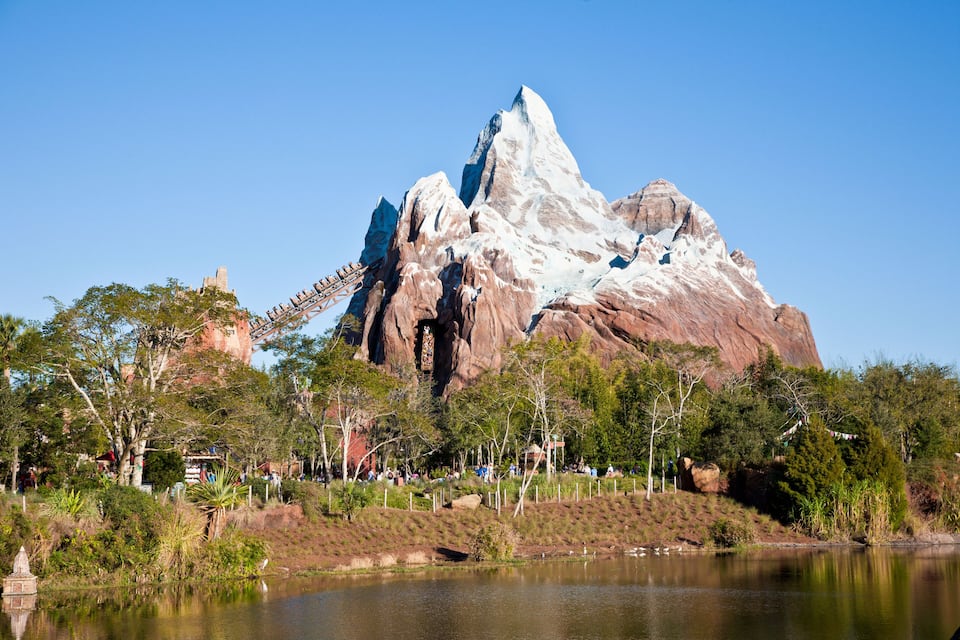
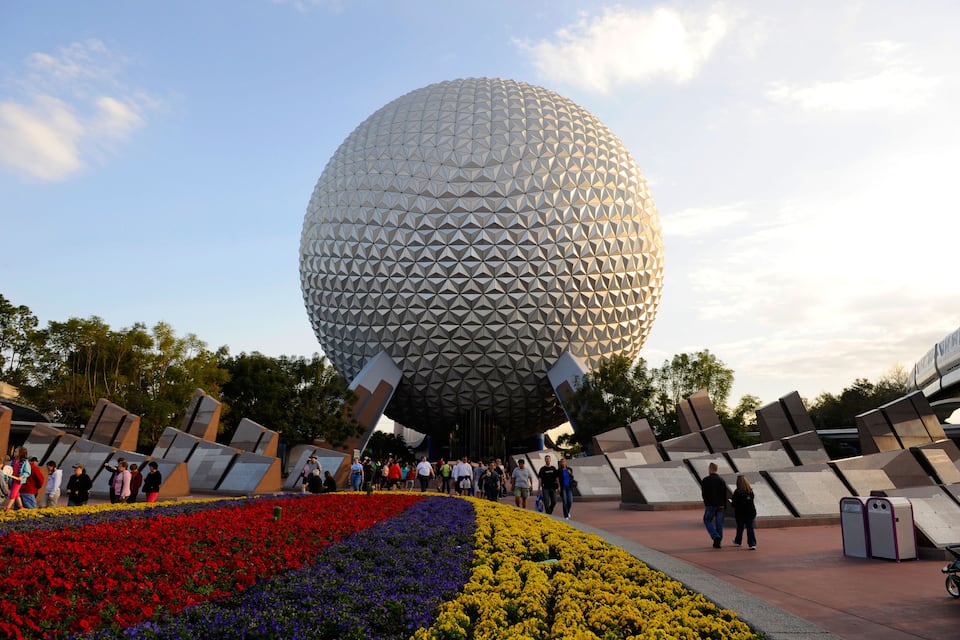
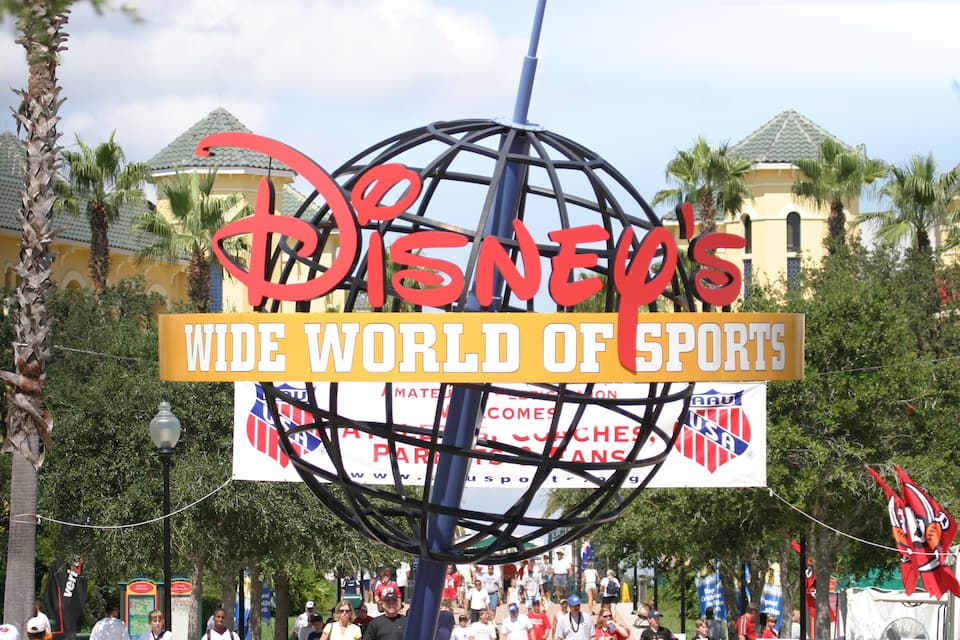
Quarterback Phil Simms first proclaimed, “I’m going to Disney World!” after winning the 1987 Super Bowl. This expression has become a vacation theme for millions of Americans. Visit Disney’s popular Magic Kingdom® Park, with favorite rides for kids and adults, see the world at Epcot®, explore Disney’s Animal Kingdom® Theme Park and Disney'sHollywood Studios® or splash in Disney's Blizzard BeachWater Park and Disney'sTyphoon LagoonWater Park.
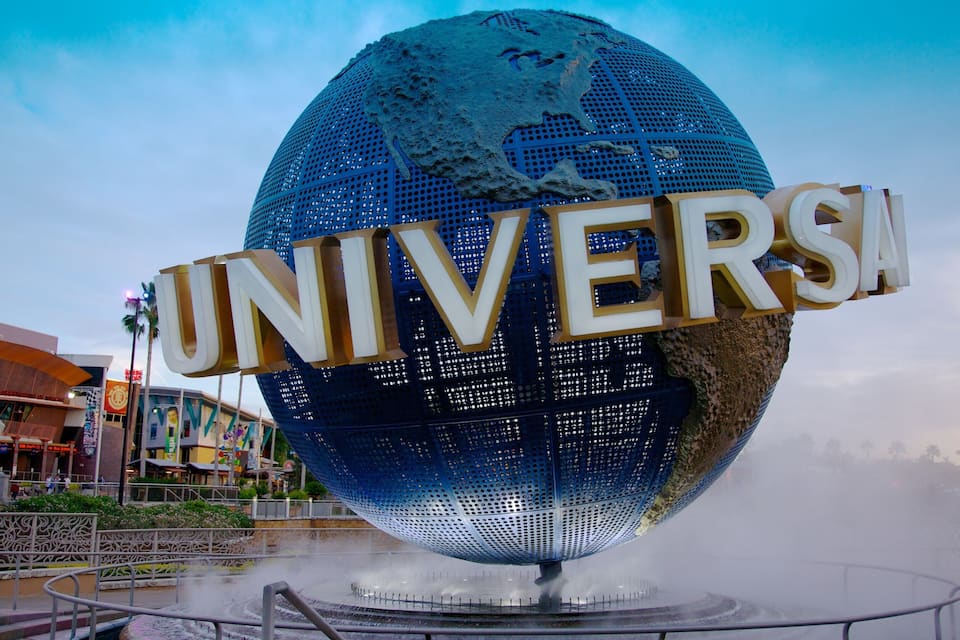
Universal Orlando Resort features The Wizarding World of Harry Potter™ and other Islands of Adventure®, along with Volcano Bay™ water park. Watch films being made at Universal Studios Florida®.
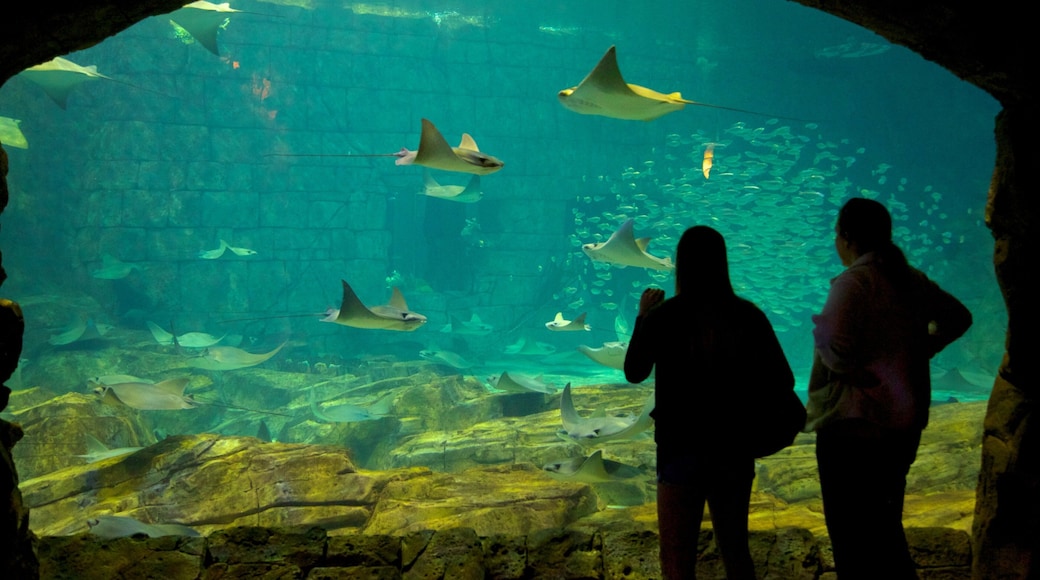
Water creatures are central to SeaWorld® Orlando Resort. Observe dolphins, penguins, whales, manatees, sharks and turtles. Take an Up-Close Tour for a hands-on experience, swim with dolphins at Discovery Cove® and have some excitement at Aquatica water park.
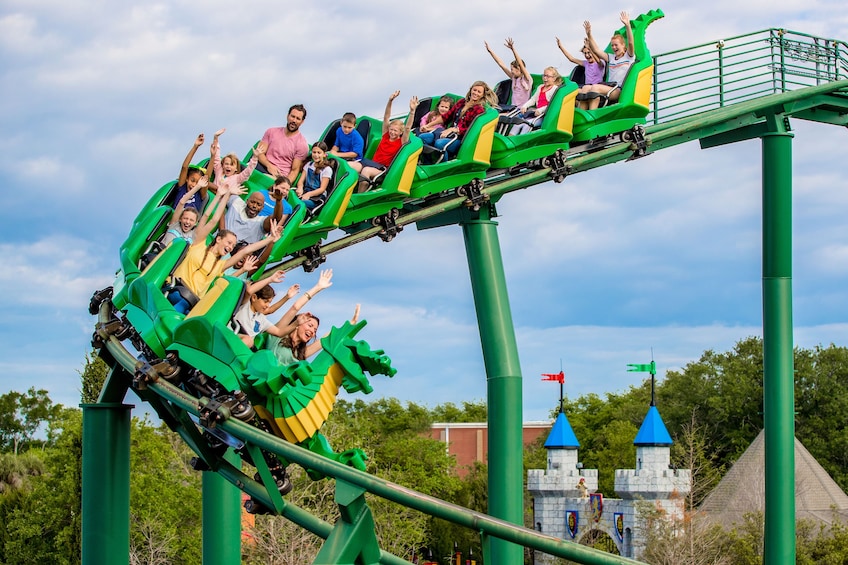
Ride a zip line or wrestle alligators at Gatorland®, an Orlando favorite since 1949. Marvel at huge models at Legoland® Florida and enjoy rides past giant Lego dinosaurs. Fun Spot America Theme Park, with locations in Orlando and Kissimmee, has a wooden roller coaster and multi-level go-kart tracks.
Make learning fun at the Kennedy Space CenterSMVisitor Complex, where you can talk with astronauts and see rockets that have flown in space. Be inspired at the Holy Land Experience, a living biblical museum.
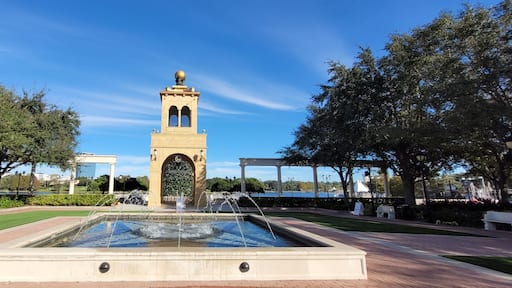
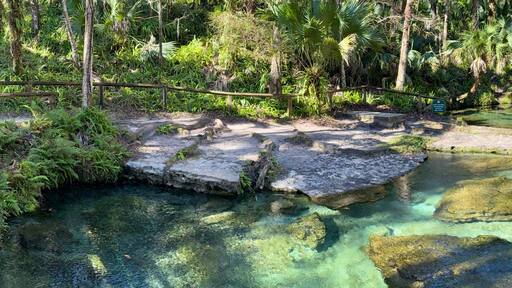
Spend time appreciating Orlando’s attractions away from busy theme parks. Paddle across Lake Eola, shop at outlet malls, play golf, smell the roses at Harry P. Leu Gardens, enjoy visual arts at the Orlando Museum of Art and experience hands-on exhibits at the Orlando Science Center.
Check the websites of Orlando’s theme parks for special multi-day rates and accommodations packages. Some resorts offer free transportation from Orlando International Airport if you stay at the resorts.