From an afternoon picnic in the Luxembourg Gardens to a night at the opera, France’s romantic capital offers both simple pleasures and extravagant splurges.
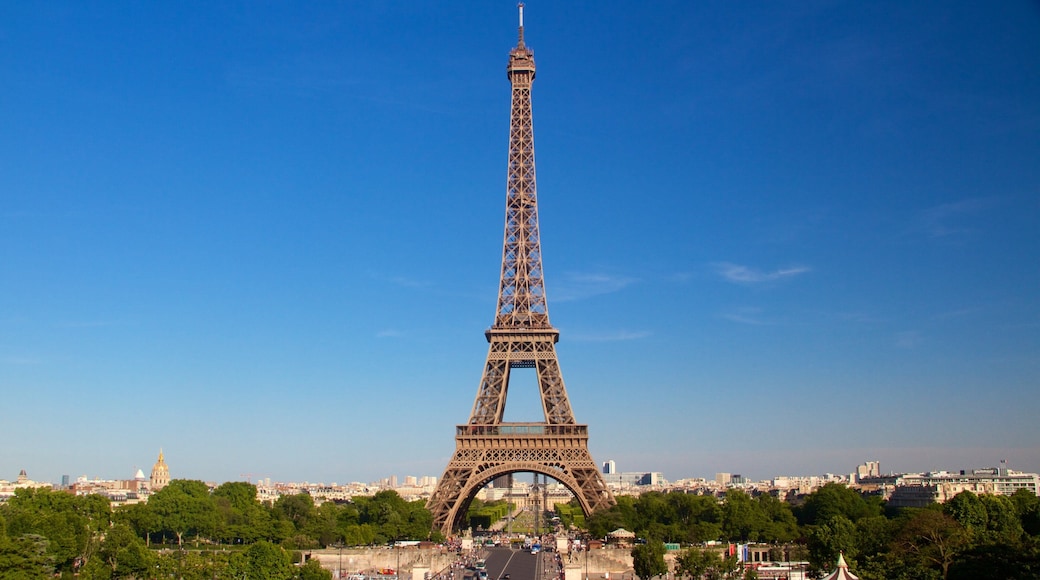
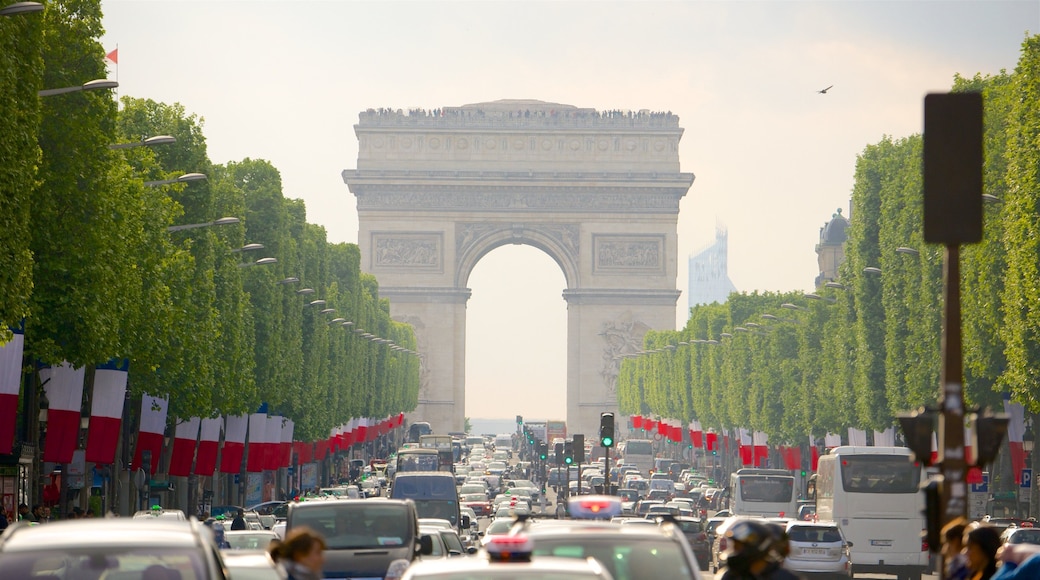
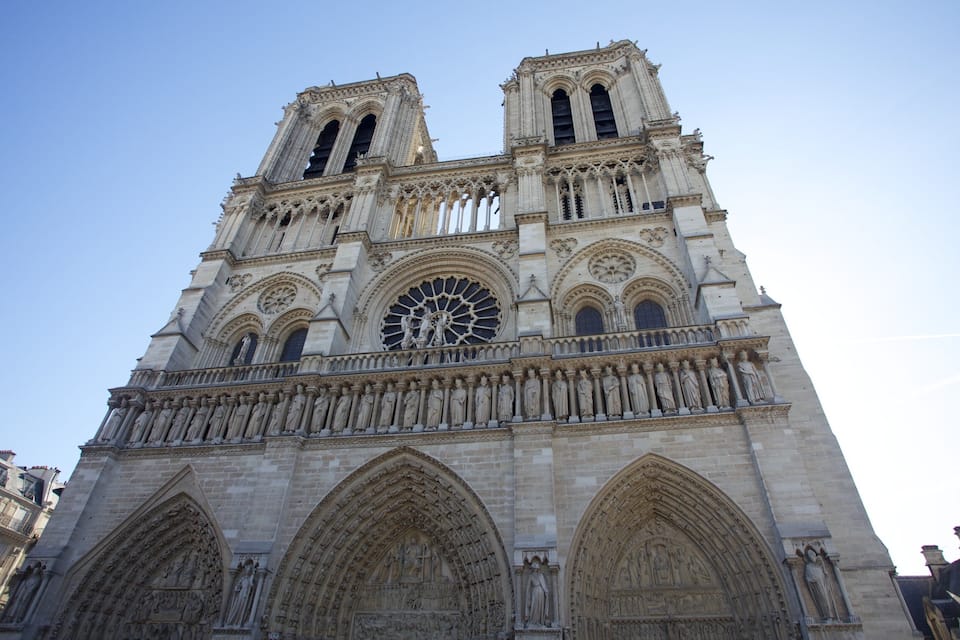
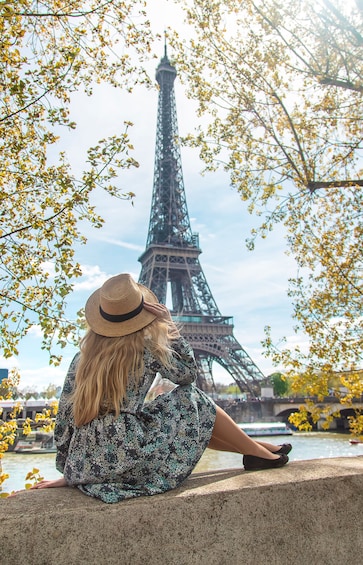
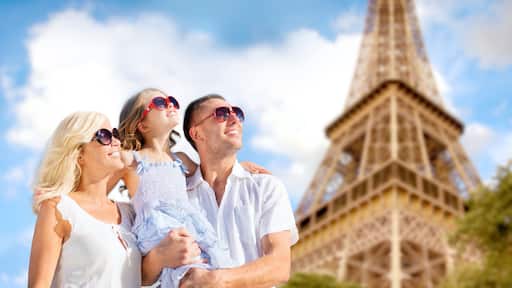
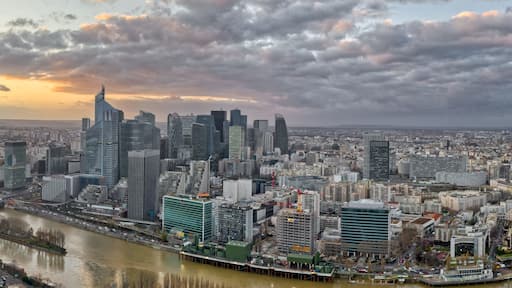
In true French style, Paris combines the classic and the modern. Classic landmarks include the ancient Notre Dame cathedral, Arc de Triomphe,the Eiffel Tower, and contemporary architectural achievements such as the La Défensedistrict.
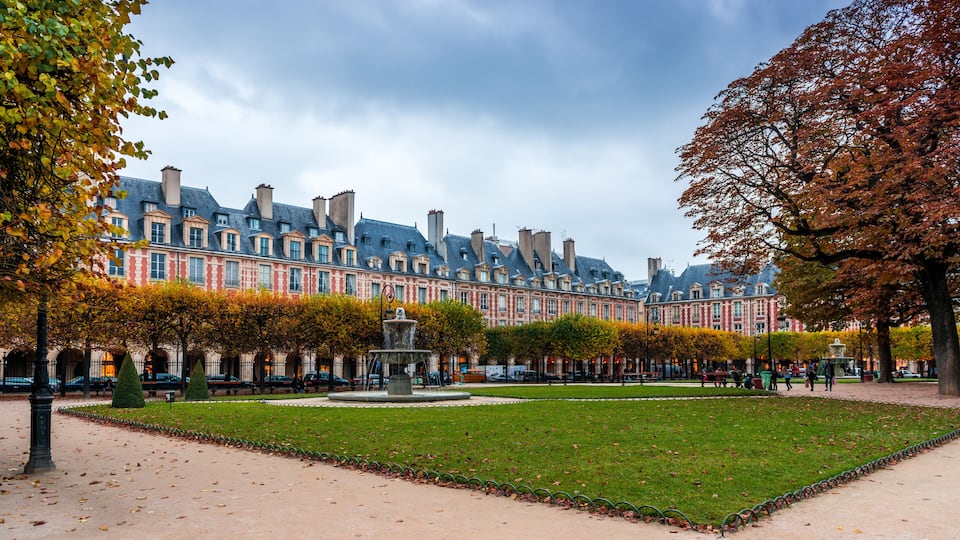
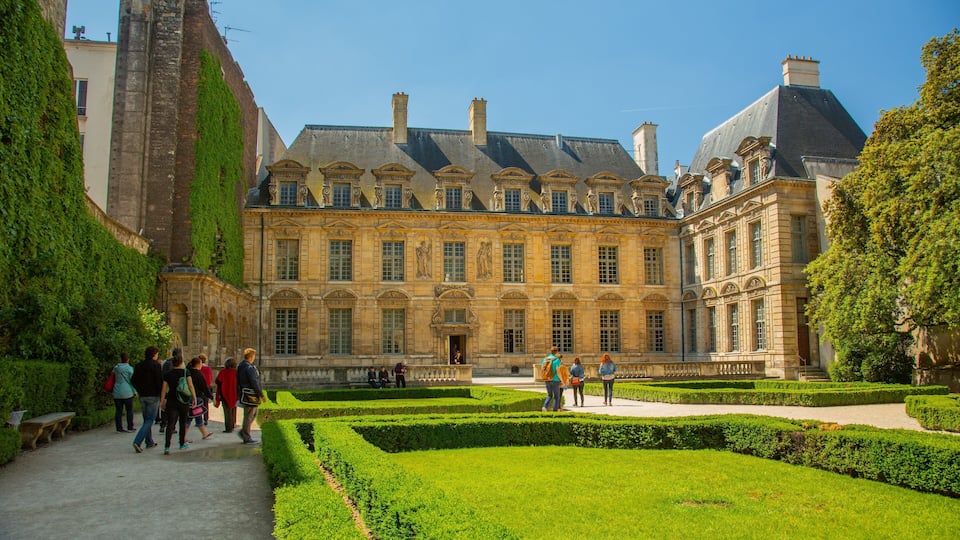
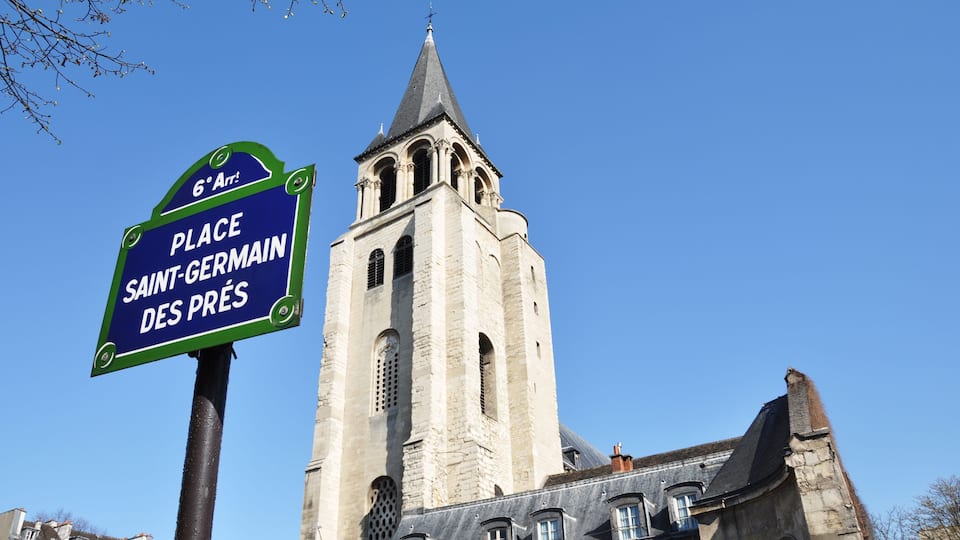
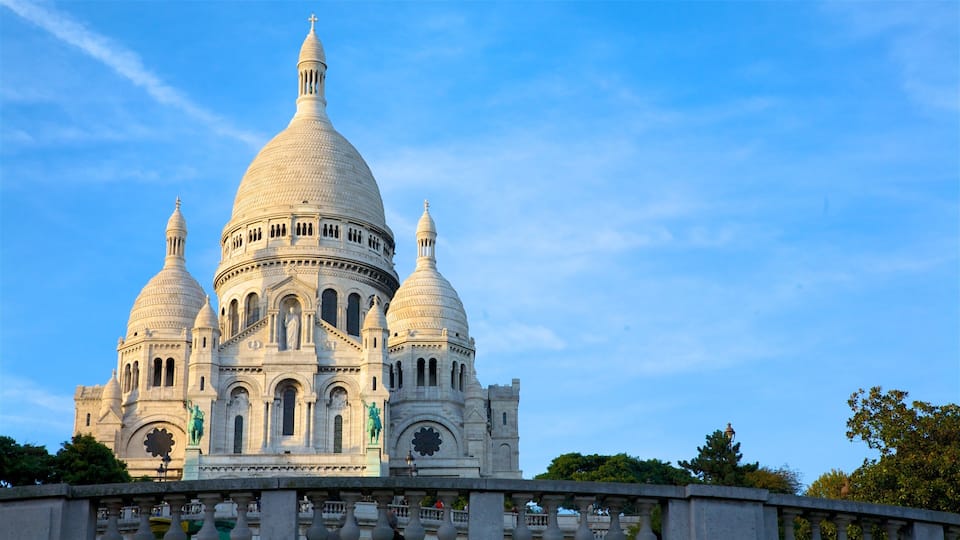
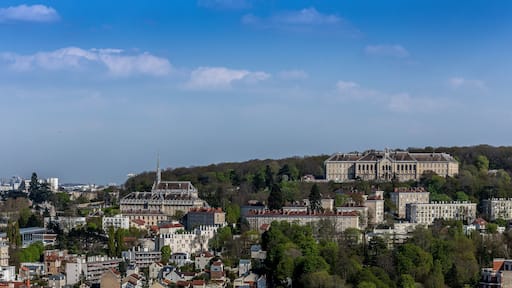
The city is divided into 20 arrondissements, or districts, which spiral clockwise from the city’s center. Paris is also split by the river Seineinto the Left and Right Banks. Each arrondissement and area of Paris has its own character and flair. Le Marais is best known for medieval architecture, intimate wine bars and a diverse community. Luxembourg has a special old-world charm, enchanting gardens, and proximity to the upscale St-Germain-des-Prés.Monmartreis famous for its cobbled streets, the Moulin Rougeand magnificent Basilique du Sacré Cœur (Basilica of the Sacred Heart).
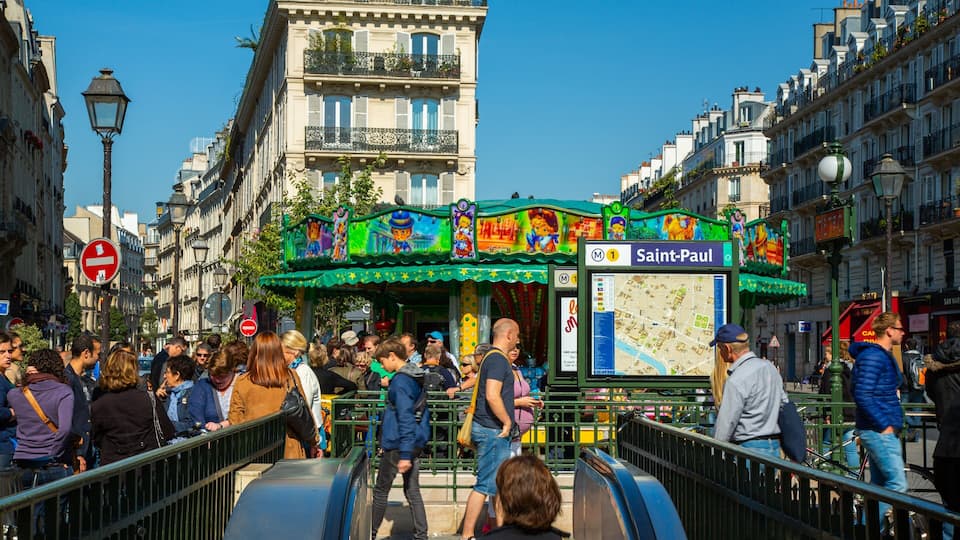
Paris is easy to navigate, either by the quick Metro system or taking your time by foot. Meandering through the winding streets, it’s easy to see the French passion for food and wine. There are open-air produce markets, patisserie windows piled with croissants and macaroons, and wine shops with offerings from regional vineyards.Restaurants of all kindsabound: traditional silver service venues, sidewalk cafes and rustic coffee houses.
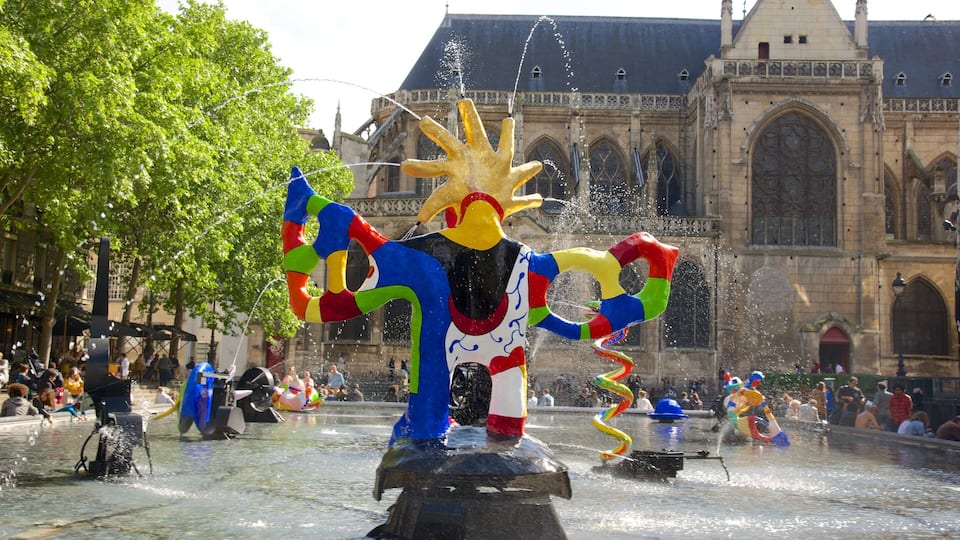
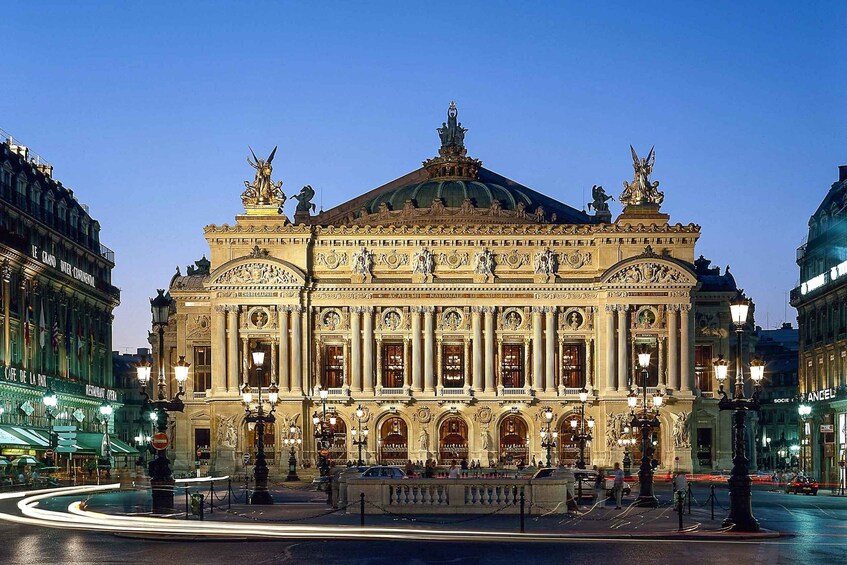
Paris has fostered many artistic talents, including Édith Piaf, Serge Gainsbourg, Claude Monet and Coco Chanel. It’s known the world over for its museums and galleries such as the opulent Musée d'Orsayand the Pompidou Centre’s National Museum of Modern Art. For performance art, spend an evening at the beautifully decorated Palais Garnier, also known as the Opéra de Paris. Internationally renowned opera and ballet companies perform here regularly.
Fashion, too, is ingrained in the Parisian psyche. Stroll along Rue du Faubourg Saint-Honoré to find some of the most revered fashion houses in the world, including Lanvin, Hermes and Dior.
Visitors overwhelmed by all that Paris has to offer should head to the Champs-Élysées. Here you can wander and enjoy the beauty of this famous tree-lined boulevard, stop at Ladurée patisserie for a macaroon, or visit La Maison Guerlain’s shrine to perfume.