
Discover the best times to visit Panama
Panama’s outstanding natural beauty and culture has plenty to offer year-round. The only question is not if, but when?
With vast, wildlife-filled rainforests, long stretches of unspoiled coastline, and uniquely historic architecture, you’re in for a true spectacle for every passion when you know the best times to visit Panama. The strategic location, bridging Central and South America, and its rich history give it a distinctive culture that is celebrated in vibrant festivals and world-class gastronomy.
It is often seen as a country of two halves, with the Caribbean side and the Pacific side home to different landscapes and climates, so the best time to visit Panama depends on your adventure. Snorkeling and basking in the tropical sunshine are best in the dry season, from December to April, while August and September can provide unforgettable whale-watching and jungle adventures. Read on to discover the best months to go to Panama and explore this jewel of biodiversity.
December brings pleasant temperatures and festive cheer
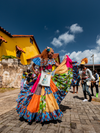
Mid-December sees an end to the torrential downpours of previous months, and the mild temperatures and sun-kissed days make it one of the best times to visit Panama. The streets come alive with festive cheer and the jingling bells of annual Christmas parades throughout the country.
Panama City is a popular choice for tourists during this period and its annual pageant draws visitors from all over the world. Bustling crowds line the iconic Avenida Balboa for a vibrant extravaganza of colorful floats, marching bands, and the requisite Santa Claus, set against a glittering backdrop of towering skyscrapers. The parade usually begins late in the afternoon, but it’s a good idea to arrive in the morning and spend the day in the area to grab a decent viewing spot.
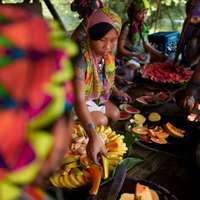
December serves up lots of delicious treats for foodies too. Locals fill the food markets, stocking up on all the ingredients for their festive season, and one of Panama City’s top destinations is Mercado San Felipe Neri. Be sure to visit the food court in this massive market to indulge in tasty, seasonal food.
Authentic, regional dishes, such as arroz con guandú (rice with pigeon peas and coconut milk) and rosquitas (ring-shaped pastries) are highly recommended.
You may also see locals erecting a variety of muñecos around the country’s towns and villages. These life-sized effigies, also known as Judas Dolls, are symbolically burned at the stroke of midnight on New Year’s Eve. Head to San Carlos, an hour along the coast from Panama City, for the yearly muñecos face-off. Talented teams battle it out for the best effigy prize, and you’ll be amazed at the lifelike politicians, footballers and celebrities on display.
The mild temperatures and high Christmas fever make December one of the best months to visit Panama, so be prepared for larger crowds as the country gets into full festive swing.
A food lover’s guide to Panama
February–March for hours of sunshine and carnival season
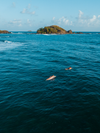
The hot, dry days of February and March will lure you to the golden sands of Panama’s long coastlines. For sun and scenery worshippers, these are two of the best months to visit the country.
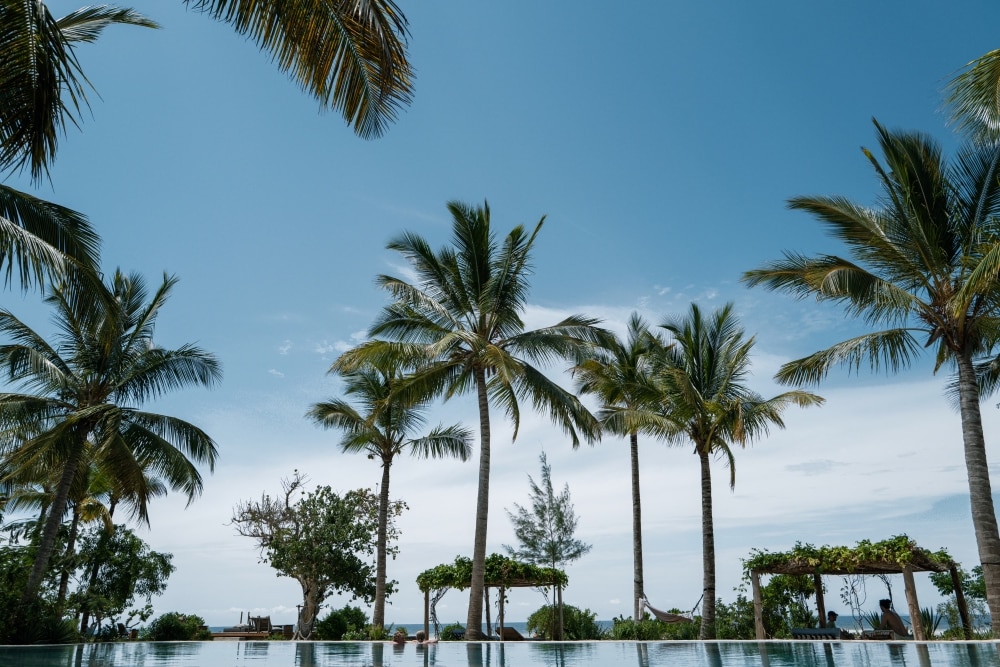
The Caribbean coastline is an idyllic playground of soft, white sand and piercing turquoise water. Portobelo’s beaches are a wonderful choice if you’re looking to relax under swaying palm trees and enjoy a refreshing breeze when the mercury rises. Most tourists head to Playa Blanca for its legendary beauty and calm waters, but the smaller, concave Playa Huerta is more intimate and it’s a fantastic spot for snorkeling.
With daytime temperatures ranging from 75°F to 85°F along the Pacific coastline, it’s easy to see why the beaches fill up so quickly in February and March.
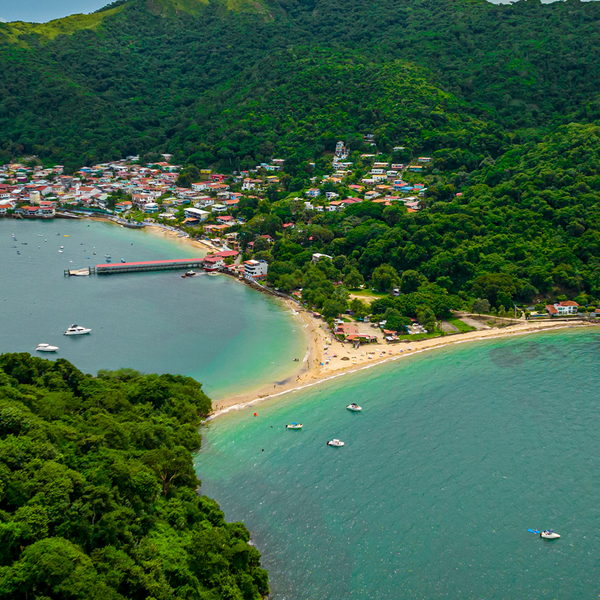
One of Panama’s most picturesque islands lies just a 30-minute ferry ride from Panama City. Taboga Island, commonly known as the Island of Flowers, attracts beachgoers in droves thanks to its gorgeous stretches of soft sand. Be sure to rent a kayak or paddleboard at Playa Honda to discover exceptional marine life once you’re out on the water.
Away from the gentle waves and soothing breeze of the beaches, February and March are the best months to visit Panama if you prefer high-energy music and a vibrant party atmosphere. Carnavales, Panama’s major carnival, takes place at this time, drawing crowds from far and wide. It’s an explosion of colorful costumes, spectacular floats, and thumping music, with a generous helping of conviviality and laughter.
Some of the liveliest celebrations take place in the capital city, but Las Tablas is also a popular destination for the festivities. Dress appropriately for the carnival as it’s traditional to have amojadera, where huge hoses spray water on the cheering crowds. As these are the hottest months of the year in Panama, you’ll undoubtedly be grateful for the soaking you’re likely to get as a spectator.
April for exploring rainforests and hiking trails
Most people divide the climate in Panama into two distinct categories (rainy or dry), with a preference for one over the other. But, often, the transitional month of April is one ofthe best months to go to Panama.
Usually classed as the end of the dry season, April sees tourist numbers starting to dwindle and the hot temperatures of February and March lowering slightly, making daytime activities more enjoyable. Late April is usually a great time to pay lower prices for Panama flights and accommodation, with shorter queues in tourist spots and restaurants too.
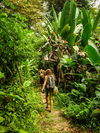
It’s also one of the best times of the year to get out on foot to explore all the exquisite charm and exceptional biodiversity Panama has to offer. Boquete lies an hour north of David, on the western edge of the country, and is known for its amazing hiking trails that are suitable for all levels.
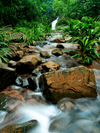
The Pipeline Trail is perfect for families with younger children or those just wanting to stroll gently along a relatively flat, 2-mile stretch of rainforest. Along the way, take in the enormous age-old trees with endless sinewy roots. The Lost Waterfalls Trail is another good choice for families, as kids of all ages will love to splash in the pools between the cascades. Take note the trail can be very slippery, so you’ll need comfortable walking shoes with a good grip.
The most popular trail for dedicated hikers is the Baru Volcano—a grueling trek up rugged terrain for a circuit of almost 9 miles in total. But you’ll get unparalleled views from the summit. It’s a good idea to set off early on this hike and be prepared to see plenty of wildlife along your path.
August will delight nature lovers
August is one of the best months to go to Panama if you’re yearning for an outdoor adventure and to dive head-first into unforgettable nature. There’s a reason why locals prefer to call it the “green season” in the wetter months. The vivid landscapes and lush carpets of foliage make Panama an astonishingly beautiful spot to discover at this time of year.
Visiting the Miraflores Locks is a popular activity during the dry season when the skies are bright and sunny. But, in August, the rain brings a magnificent change in scenery and the early-morning mist settling over huge cargo ships makes for stunning photos against the tropical rainforest backdrop.
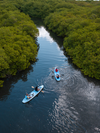
Kayaking down the Panama Canal is an unforgettable experience, too. Head out before the afternoon showers arrive and glide down this iconic stretch of water to truly appreciate the sheer beauty of it. You may spot some wildlife en route, including howler monkeys climbing high in the trees or even crocodiles lurking in the water. Needless to say, be sure to keep a safe distance from local wildlife and respect the surroundings.
For whale watching, August is typically the best month by far. Nothing can prepare you for the incredible sight of seeing mother whales teaching their calves to swim. It is quite simply breathtaking. You’ll see them all along the coast, but the Riviera Pacifica is one of the best spots for viewing humpback whales. This 25-mile stretch of coastline is home to some of the country’s prettiest beaches, and in August you’ll usually be rewarded with views of migrating whales frolicking in the water.
September to spot wildlife and indulge in seafood
If you’re well prepared for afternoon showers and plan your outdoor activities in the morning, September can be one of the best months to visit. With fewer tourists and generally more affordable accommodations in Panama than in the dry season, it’s an excellent time to venture into the tranquility of the rainforest and explore the lush vegetation.
Choose an early morning Panama eco-tour or hike through National Parks to experience Panama’s incredible biodiversity at first hand. Trek through changing jungle landscapes, swim under plunging cascades and inhale the breathtaking beauty and stillness of nature. With over 10,000 plant species and 200 mammal species throughout the country’s national parks, you’ll never cease to be dazzled by the flora and fauna around you.
Avid bird watchers should visit Soberania National Park in September when the full streams attract woodpeckers, toucans, and hawks, as well as the rarer crested eagles and ground cuckoos. Keep a lookout for vociferous howler monkeys, green iguanas, and photogenic sloths lounging along your path too.
The rainy season in Panama entices die-hard surfers looking to ride the perfect wave and take advantage of quieter beaches. The increased swells create fantastic surfing conditions around Santa Catalina on the Pacific Coast, and you’ll see colorful boards gliding the waves at Playa Cambutal and the vast Playa Venao. The swells are much smaller on the Caribbean side, so if you’re chasing a big surfing adventure, stick to the Pacific side.
Despite most of Panama experiencing rainy periods in September, surprisingly, one region defies all odds to experience its driest period. Perched in the northwest corner of the country, close to the Costa Rican border, the Bocas del Toro islands usually enjoy a mild, balmy climate, making September one of the best months to visit.
You’ll enjoy serene beaches and calm water that is perfect for diving. But the real attraction in September is the annual Bocas del Toro International Sea Fair. Watch spectacular folk dancing and thrilling boat races, then indulge in fresh seafood dishes, including ceviche corvina (seabass ceviche) and guacho de mariscos (seafood stew).
Whether you’re an experienced hiker, a nature enthusiast or a festival lover, you can enjoy Panama’s exciting activities and spectacular scenery whatever the season. Discover some of the best Panama hotels to book your trip.
Images courtesy of Visit Panama.
Panama hotel deals


Go further with the Expedia app
