Ilha de Itamaraca
Travel Guide


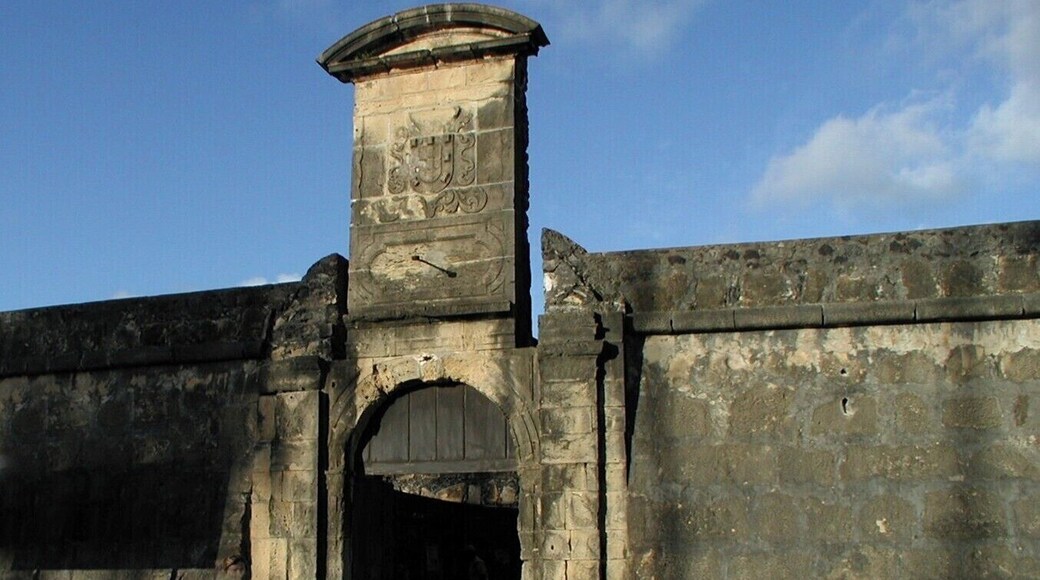
Visit Ilha de Itamaraca
Where to stay in Ilha de Itamaraca
Find the best Ilha de Itamaraca areas and neighborhoods for the activities you enjoy most. Learn more about Ilha de Itamaraca
Learn more about Ilha de Itamaraca

Photo by Sérgio Veludo
Open Photo by Sérgio Veludo
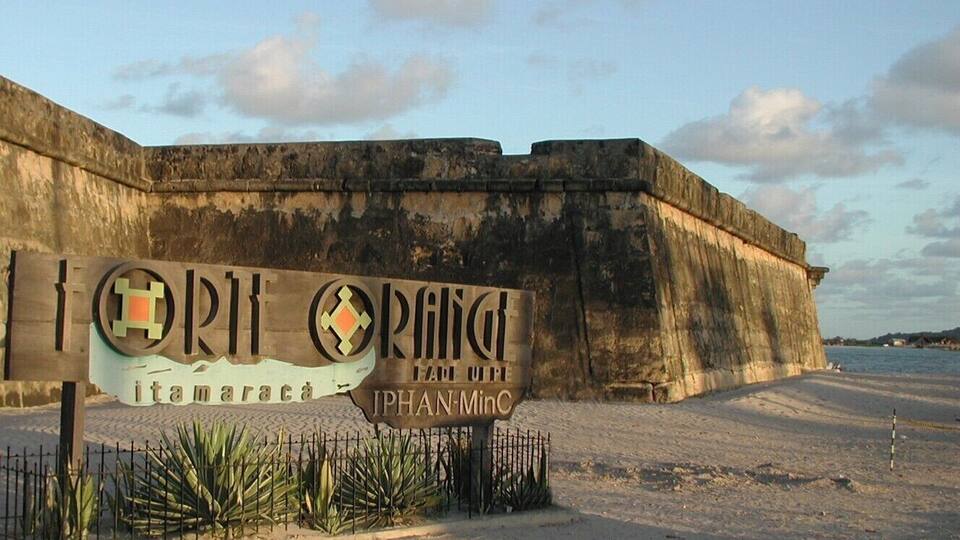

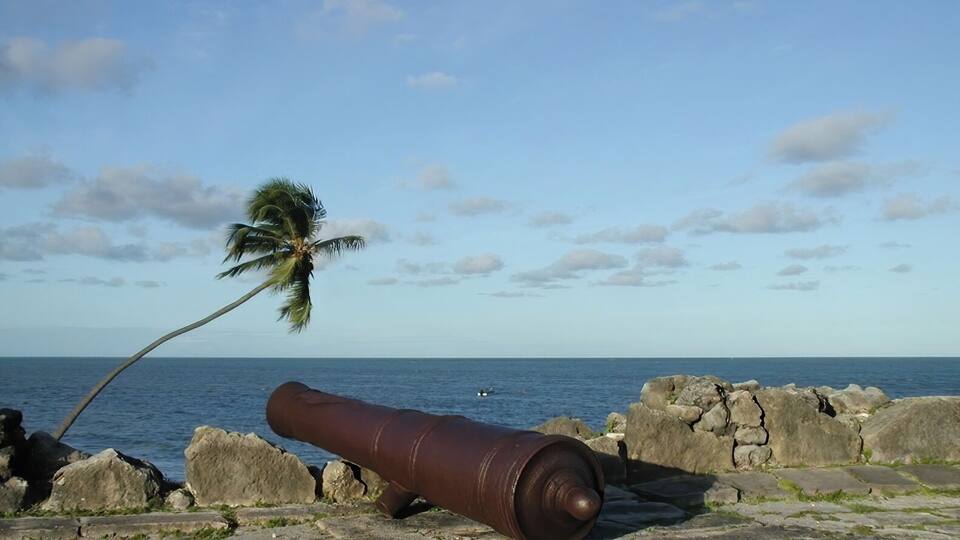

Pilar
If you're spending some time in Pilar, Fort Orange and Itamaraca Beach are top sights worth seeing.
Loteamento Enseada dos Golfinhos
Loteamento Enseada dos Golfinhos might not have many top sights, but Pontal da Ilha Beach and Itamaraca Beach are two attractions nearby that you can check out.
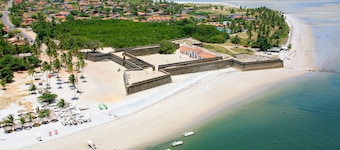
Orange Praia Hotel
Av.do Forte Orange, s/n Ilha de Itamaraca PE
$74 nightly
The price is $78 total per night from Sep 30 to Oct 1
$78 total
Sep 30 - Oct 1
Total with taxes and fees
Book a stay at this beach hotel in Ilha de Itamaraca. Enjoy free breakfast, free WiFi, and free parking. Our guests praise the helpful staff in our reviews. ...

Beachfront apartment on Itamaracá Island/PE - Itaoca Residence Condominium
Ilha de Itamaracá Pernambuco
Book a stay at this beach apartment in Ilha de Itamaraca. Enjoy private pools, a beach locale, and a garden. Popular attractions Pontal da Ilha Beach and Pontal ...
9.4/10 Exceptional! (3 reviews)
Tranquilo
"Tranquilo . Agradável"
Reviewed on Nov 15, 2021

Manga Verde Beach 04: Pool and Beach view H
itamaraca Pernambuco
$100 nightly
The price is $100 total per night from Oct 6 to Oct 7
$100 total
Oct 6 - Oct 7
Total with taxes and fees
Stay at this apartment in Ilha de Itamaraca. Enjoy breakfast (surcharge), a garden, and laundry facilities. Popular attractions Fort Orange and Coroa do Avioa ...
10/10 Exceptional! (1 review)
Encantada
"Me apaixonei por Manga Verde Beach. O apartamento está totalmente equipado e a decoração é muito linda. O Anthony, a Stephanie e o Lenny são incríveis e o serviço que eles oferecem são de primeira classe e sempre com um sorriso no rosto. Eles fazem mais do que a gente espera. Além disso, estao sempre ..."
Reviewed on Feb 16, 2017
Lowest nightly price found within the past 24 hours based on a 1 night stay for 2 adults. Prices and availability subject to change. Additional terms may apply.
Beachfront apartment on Itamaracá Island/PE - Itaoca Residence Condominium
Ilha de Itamaracá Pernambuco
Book a stay at this beach apartment in Ilha de Itamaraca. Enjoy private pools, a beach locale, and a garden. Popular attractions Pontal da Ilha Beach and Pontal ...
9.4/10 Exceptional! (3 reviews)
Tranquilo
"Tranquilo . Agradável"
Reviewed on Nov 15, 2021
Manga Verde Beach 04: Pool and Beach view H
itamaraca Pernambuco
Stay at this apartment in Ilha de Itamaraca. Enjoy breakfast (surcharge), a garden, and laundry facilities. Popular attractions Fort Orange and Coroa do Avioa ...
10/10 Exceptional! (1 review)
Encantada
"Me apaixonei por Manga Verde Beach. O apartamento está totalmente equipado e a decoração é muito linda. O Anthony, a Stephanie e o Lenny são incríveis e o serviço que eles oferecem são de primeira classe e sempre com um sorriso no rosto. Eles fazem mais do que a gente espera. Além disso, estao sempre ..."
Reviewed on Feb 16, 2017
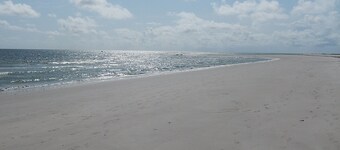
HOUSE IN PRIA DO PONTAL, (ITAMARACA'),. INSTALLMENTS UP TO 12 TIMES
Ilha de Itamaracá PE
Stay at this vacation home in Ilha de Itamaraca. Enjoy free WiFi, private pools, and daily housekeeping. Popular attractions Pontal da Ilha Beach and Pontal ...
9.8/10 Exceptional! (66 reviews)
"A casa não é nova, mas é uma experiência maravilhosa, a piscina perfeita, inspira realmente a casa de uma vó, enorme, Sr. Carlos super solícito, atencioso e bem próximo da praia, alem de segura para família!"
Reviewed on Mar 2, 2026
Lowest nightly price found within the past 24 hours based on a 1 night stay for 2 adults. Prices and availability subject to change. Additional terms may apply.
Check Ilha de Itamaraca hotel availability
Stay near popular Ilha de Itamaraca attractions

Explore a world of travel with Expedia
- Apartments in Ilha de Itamaraca
- Maria Farinha Hotels
- Motels in Paulista
- Hilton Hotels in Recife
- 5 Star Hotels in Olinda
- Hotels in Ilha de Itamaraca
- Ponta de Pedras Hotels
- Beach in Ilha de Itamaraca
- Spa Hotels in Maria Farinha
- Hotels in Carne - de - Vaca
- Hotels in Abreu E Lima
- Pousadas in Ilha de Itamaraca
- Hotels in Paulista
- Caravanparks in Olinda
- Hostels in Olinda
- Resorts in Recife
- Nobile Suites Hotels in Boa Vista
- 4 Star Hotels in Maria Farinha
- Flights to Ilha de Itamaraca
- Flights to Abreu E Lima
- Flights from Fort Lauderdale (FLL) to Recife (REC)
- Sky Express Guarulhos (GRU) to Recife (REC) flights
- Flights to Olinda
- Flights to Itapissuma
- Flights to Recife
- Flights from Orlando (MCO) to Recife (REC)
- Azul Guarulhos (GRU) to Recife (REC) flights
- Flights to Igarassu
- Olinda Vacations
- Moreno Vacations
- Visit Maria Farinha
- Veneza Water Park
- Where to stay in Grande Recife
- Grande Recife All Inclusive Vacation Packages
- Itamaraca Beach
- Visit Paulista
- Visit Pina
- Grande Recife All Inclusive Vacation Packages
- Camaragibe Vacations
- Visit Recife
- Visit Olinda
- Grande Recife All Inclusive Vacation Packages
- Visit Ilha do Leite
- Grande Recife All Inclusive Vacation Packages
- Igarassu Vacations
- Grande Recife All Inclusive Vacation Packages
- Grande Recife All Inclusive Vacation Packages
- Recife Vacations
- Grande Recife All Inclusive Vacation Packages
- Cabo de Santo Agostinho Vacations
- Grande Recife All Inclusive Vacation Packages
- Grande Recife All Inclusive Vacation Packages
- Visit Santo Amaro
- Grande Recife All Inclusive Vacation Packages
- Ilha de Itamaraca Vacations
- Mangue Seco Beach
- Visit Boa Viagem
- Visit Igarassu
- Visit Olinda Historical Center
- Grande Recife All Inclusive Vacation Packages
- Visit Praia da Conceicao
- Grande Recife All Inclusive Vacation Packages
- Grande Recife All Inclusive Vacation Packages
- Visit Recife Antigo
- Jaboatão dos Guararapes Vacations
- Visit Camaragibe
- Where to stay in Recife
- Visit Itapissuma
- Boa Viagem Vacations
- Visit Goiana
- Abreu E Lima Vacations
- Pontal da Ilha Beach
- Visit Boa Vista
- Dollar Rent A Car Rental Cars in Maria Farinha
- Sports Car Car Rentals in Recife
- Car rentals in Itapissuma
- Enterprise Rental Cars in Abreu E Lima
- Car rentals in Paulista
- Localiza Rental Cars in Olinda
- Car rentals in Olinda
- Pickup Car Rentals in Recife
- Car rentals in Abreu E Lima
- Car rentals in Igarassu
- Car rentals in Ilha de Itamaraca
- Fort Orange
- Itamaraca Beach
- Pontal da Ilha Beach
- Pontal do Jaguaribe Beach
- Pernambuco Convention Center
- USA Consulate
- Praca de Casa Forte
- Mirabilandia Amusement Park
- Classic Hall
- Memorial Arcoverde Park
- Arena Pernambuco
- Veneza Water Park
- Mangue Seco Beach
- Praça Rio Branco
- Jaqueira Park
- Universidade Católica de Pernambuco
- Maria Farinha Beach
- Recife Harbor
- Centro Cultural Cais do Sertão
- Alto da Se Park
- IMIP Museum
- Forte de São João Batista do Brum
- Casa Caiada Beach
- Igreja de Nossa Senhora do Rosario dos Homens Pretos
- Recife Port
- Pau Amarelo Beach
- Do Carmo Square