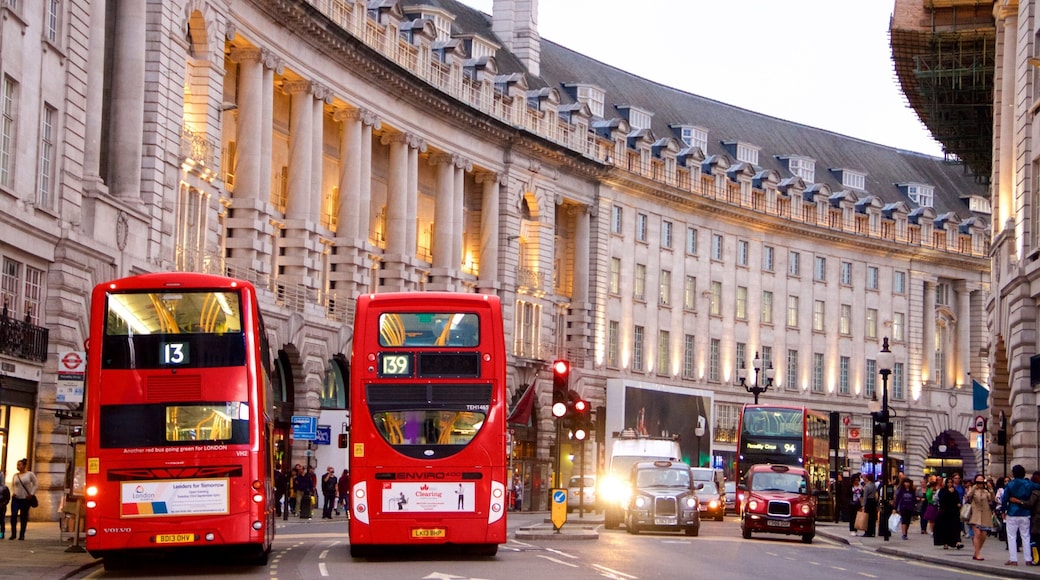
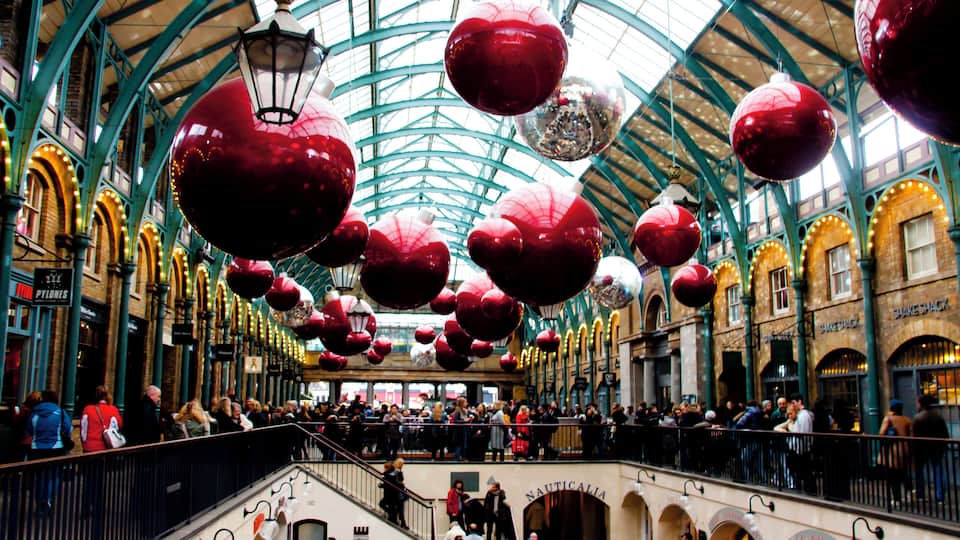
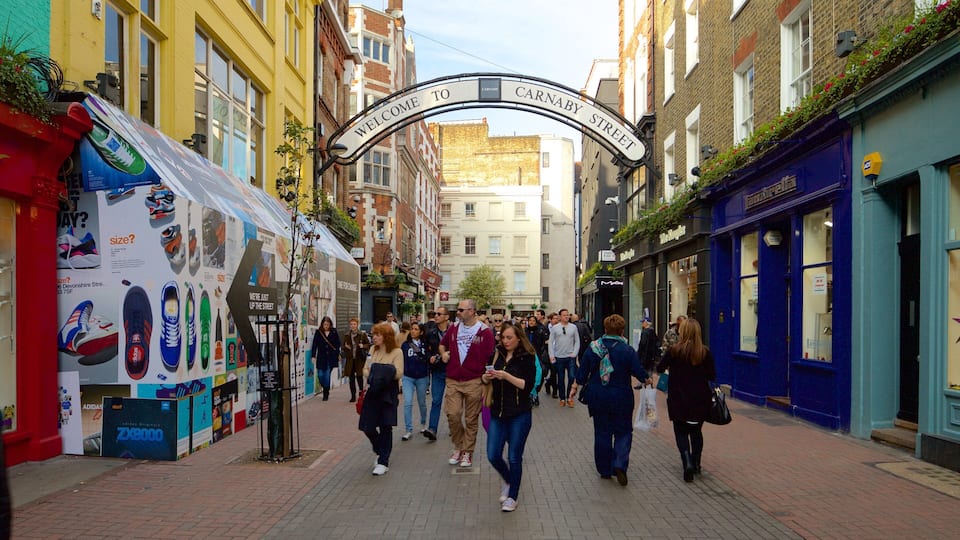
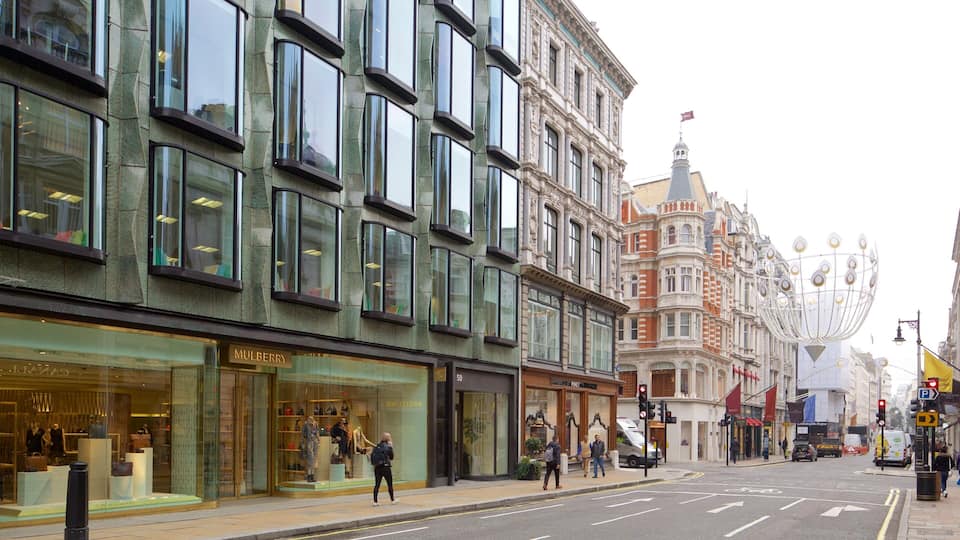
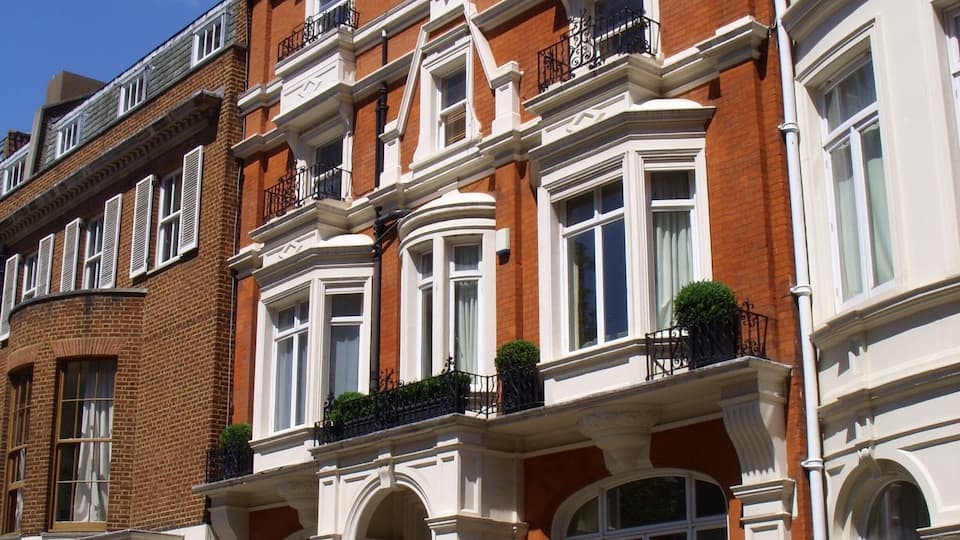
London is dizzyingly vast, thrillingly cosmopolitan and packed with culture at every turn there is no other city quite like it.
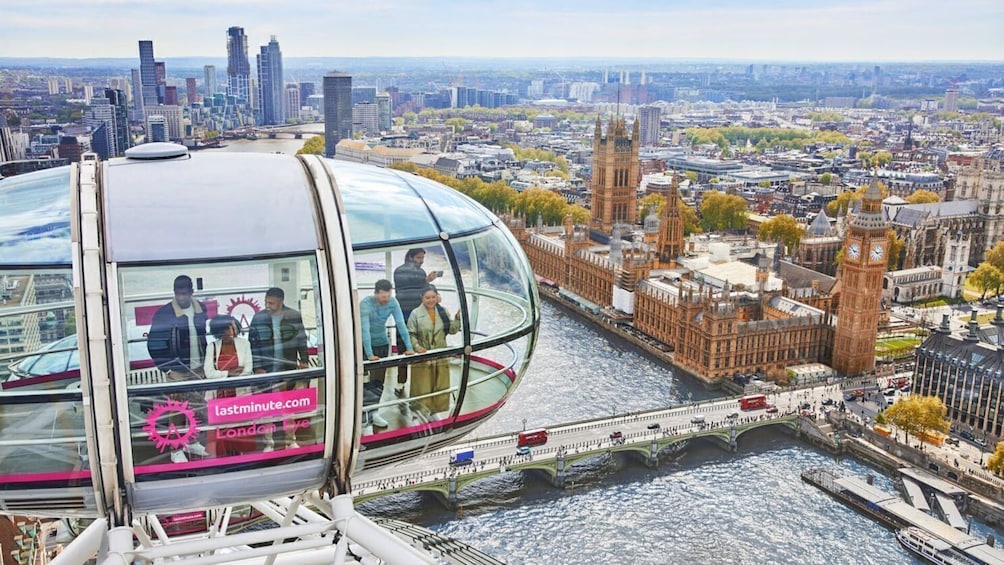
Take a trip in the London Eye, the giant wheel that sits on the banks of the River Thames, to get a sense of what makes London such an amazing city. Look below you to see immediately recognizable landmarks and streets bursting with life. As well as offering unparalleled sightseeing and culture, London today also promises a thriving foodie scene and peaceful parks, for when you need to escape the restless rush of the city.
Visit the Museum of London to find out about the fascinating story of Britain’s capital city. Learn about its origins at the Roman settlement Londinium, as well as the invasions and occupations that shaped the city in the following two millennia.
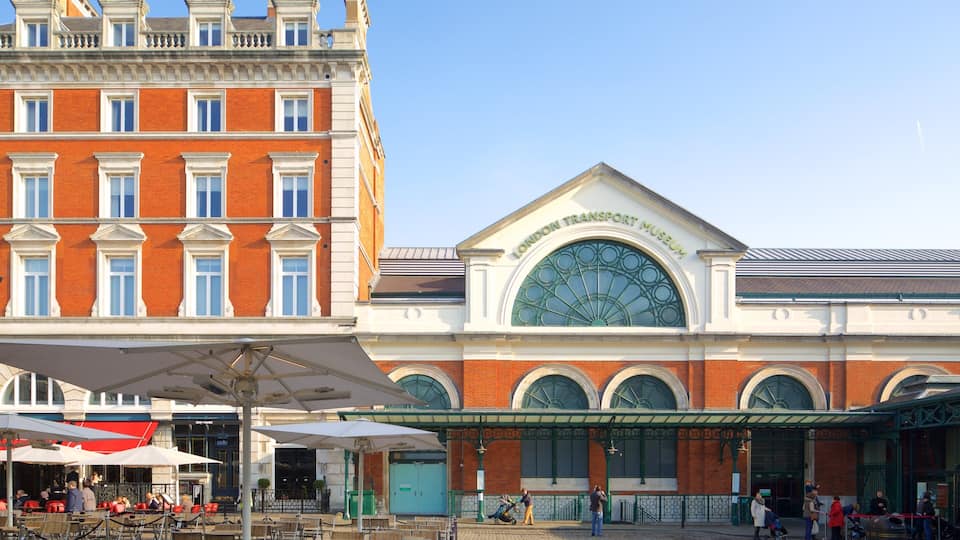
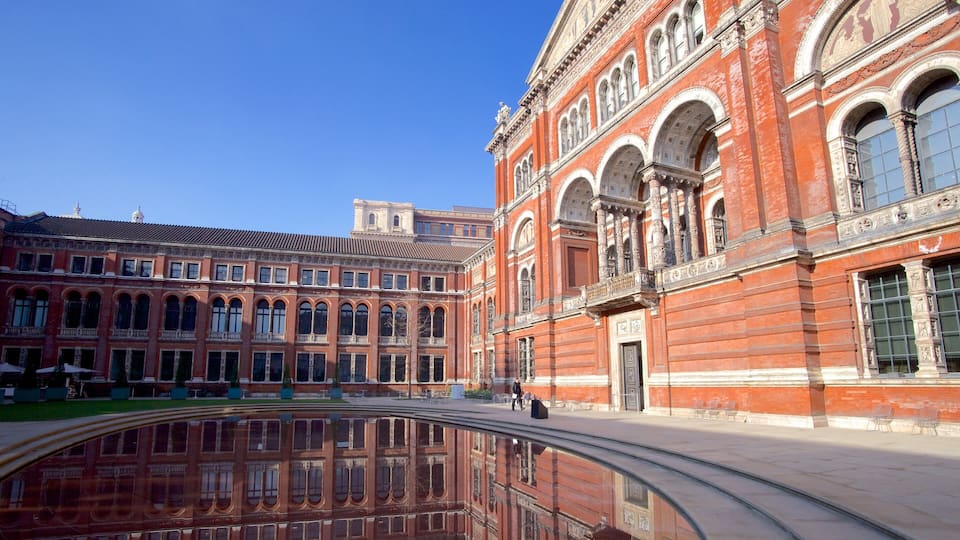
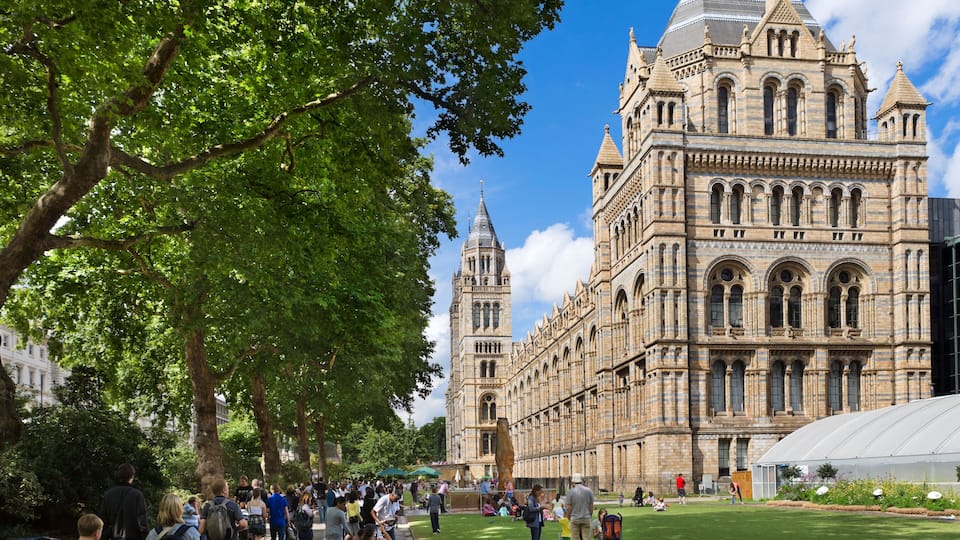
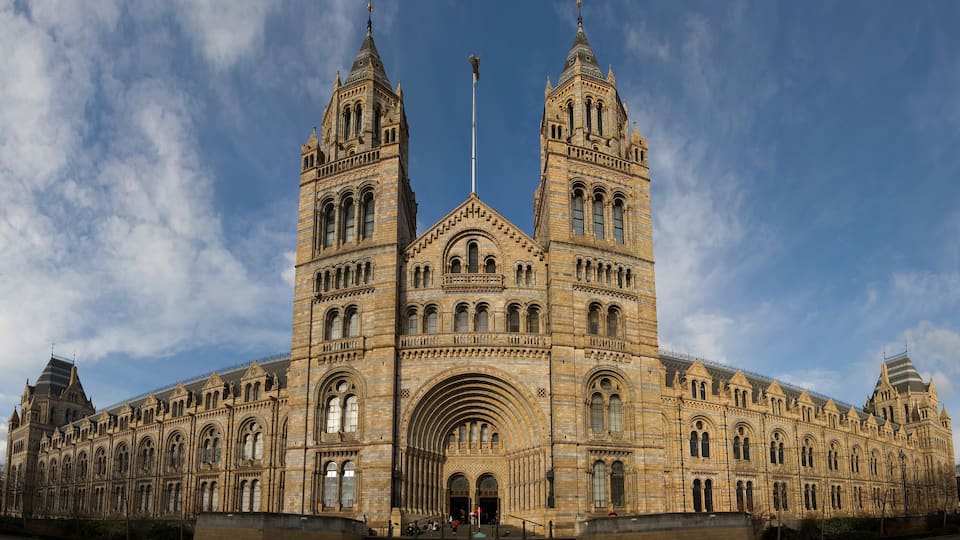
One of the best ways to spend your time in London is hopping between its numerous world-class museums and galleries, most of which are free to enter. The British Museum and the National Gallery are two of the most famous, but there are dozens more to discover. Learn about the history of healthcare in the Wellcome Collection or chart the story of design in the Victoria and Albert Museum. The Natural History Museum, the Science Museum and the Saatchi Gallery also offer hours of entertainment.
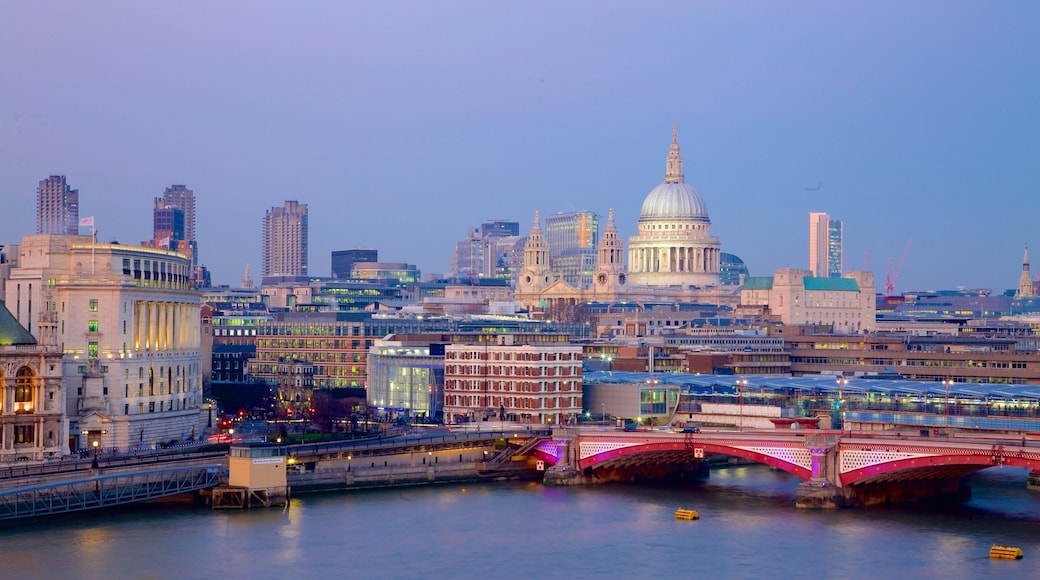
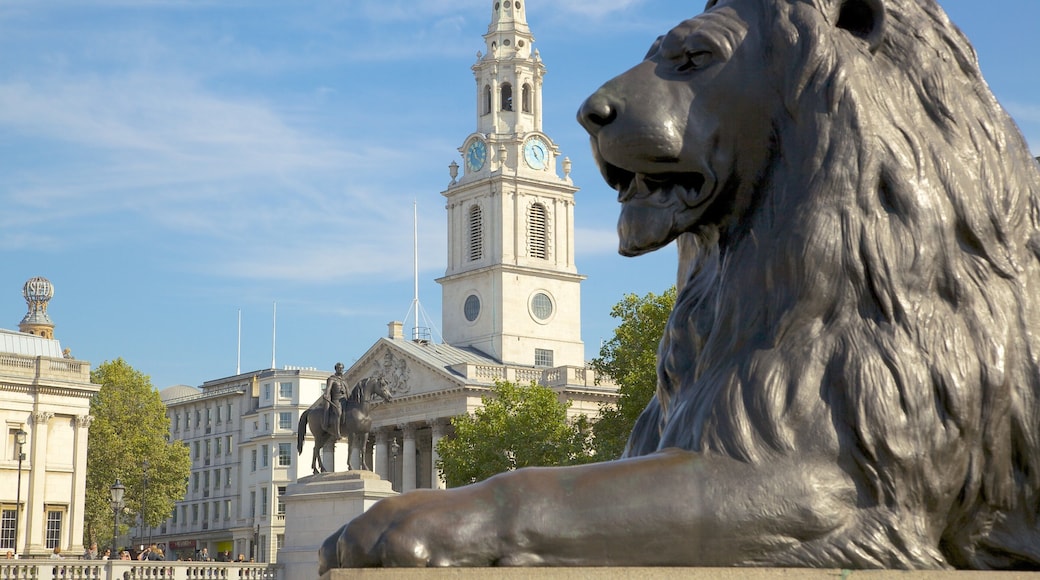
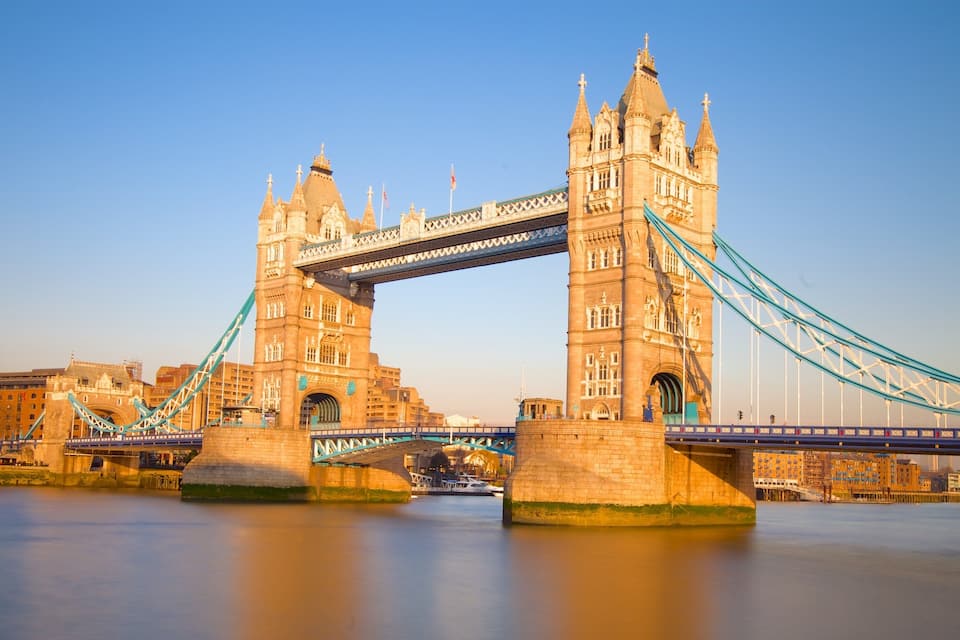
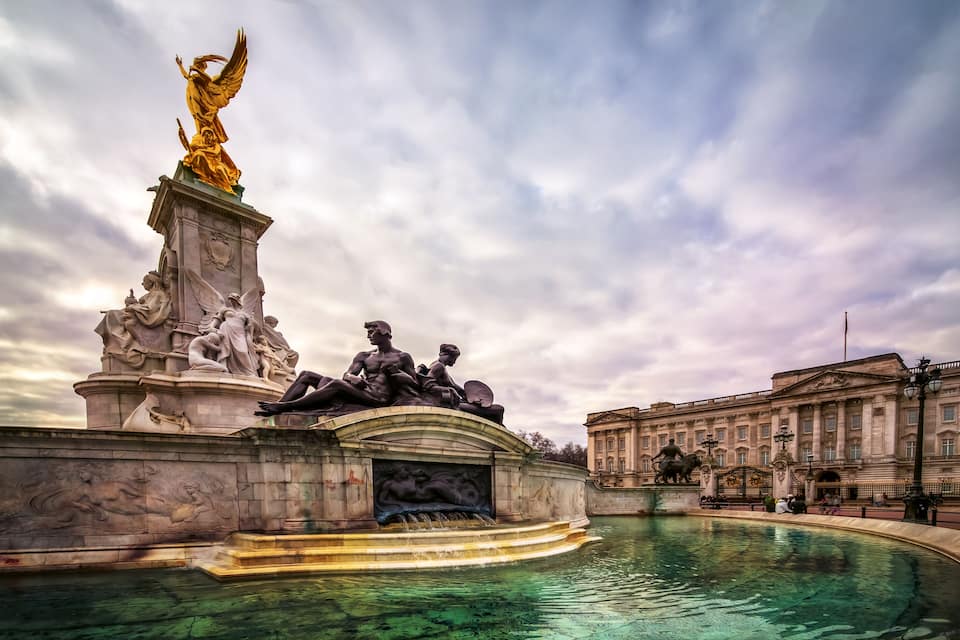
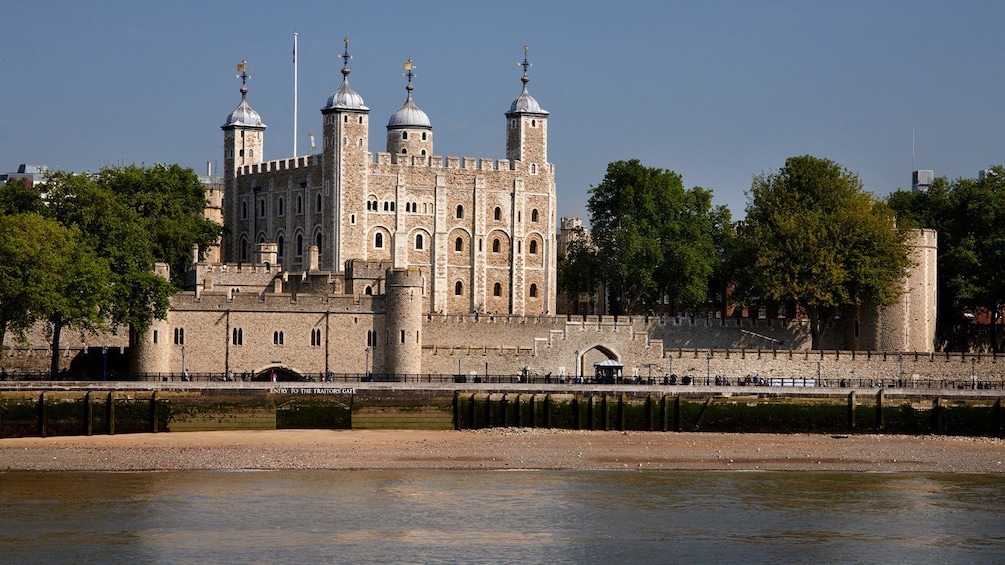
The U.K.’s capital has no shortage of iconic landmarks, from Trafalgar Square to St. Paul’s Cathedral to the Houses of Parliament. Meet the silent, stoic soldiers that stand outside Buckingham Palace and encounter the crown jewels at the Tower of London.
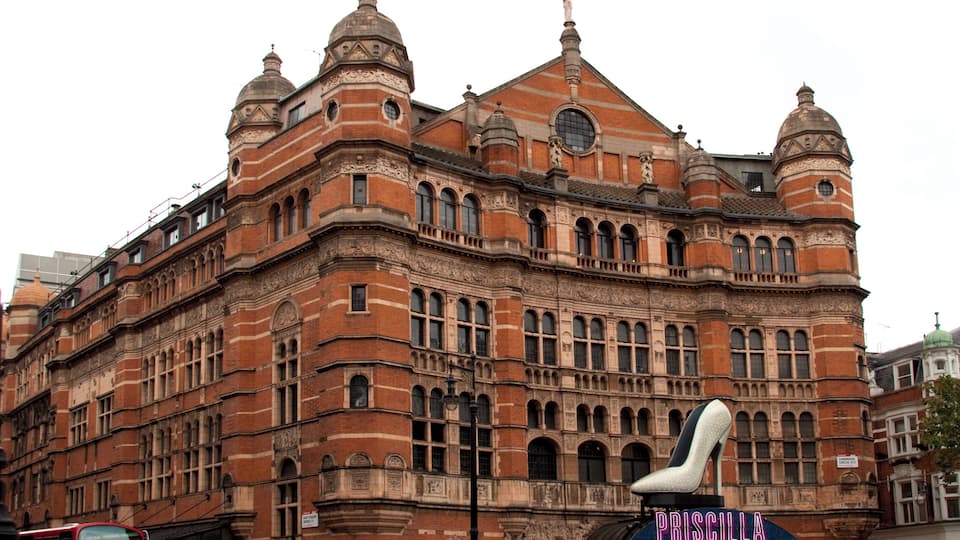
Modern London hosts a thriving arts scene that every visitor needs to experience. Amble along Southbank to pass the Tate Modern, the British Film Institute and the National Theatre. Book tickets to see world-famous musicals in the theatres of the West End. Alternatively, seek out something more classical at the Royal Opera House in Covent Garden for a night of extravagant entertainment.
Travel to London at any time of year, although wrap up in waterproofs if visiting in the rainy winter months between November and February. While the London Underground makes getting around easy, the city center is also an exciting area to explore on foot.