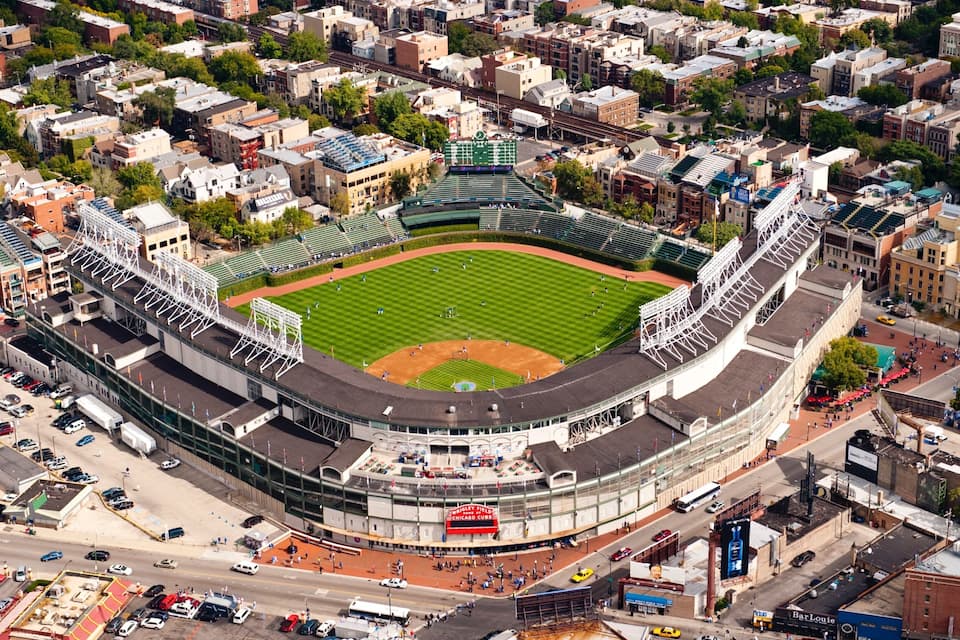
Watch a baseball game at Wrigley Field, snap photos of your reflection in Cloud Gate and explore the Windy city’s fascinating museums.
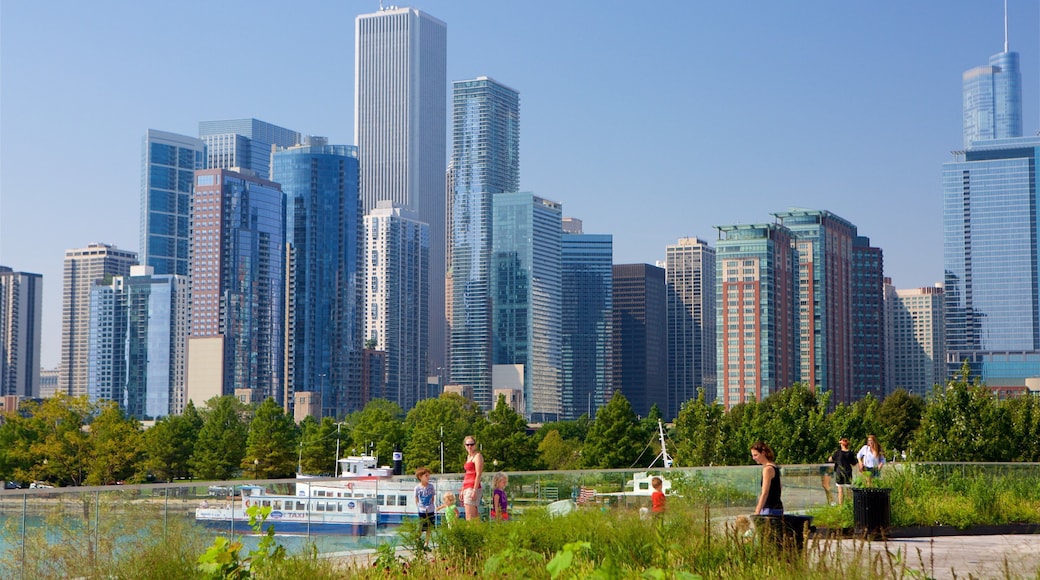
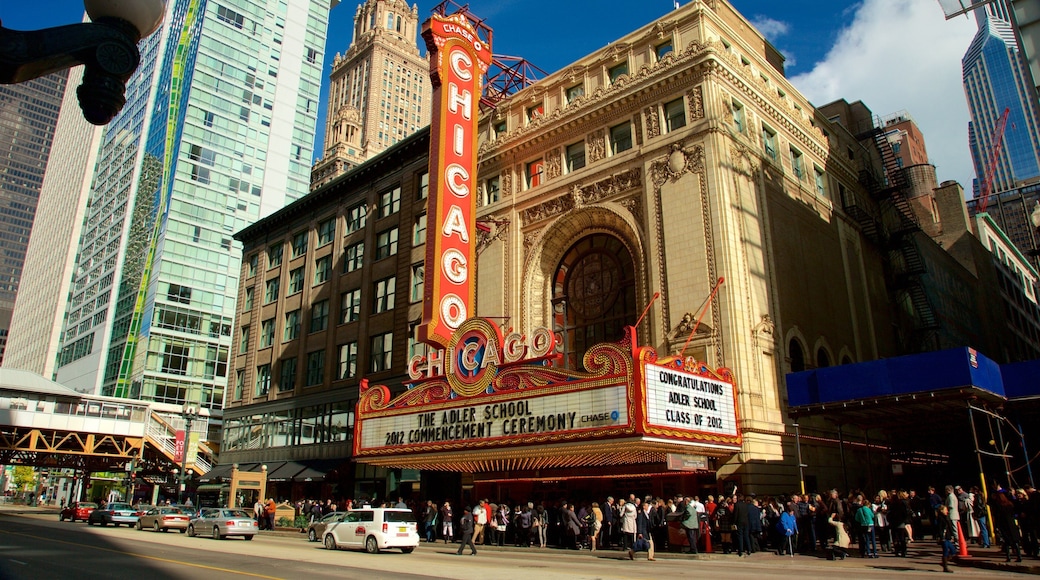
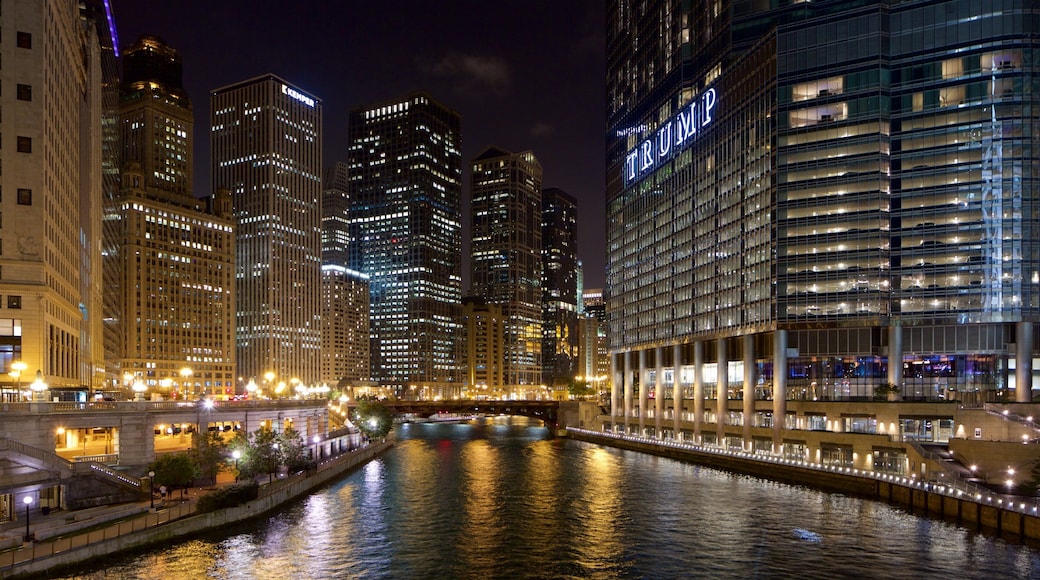
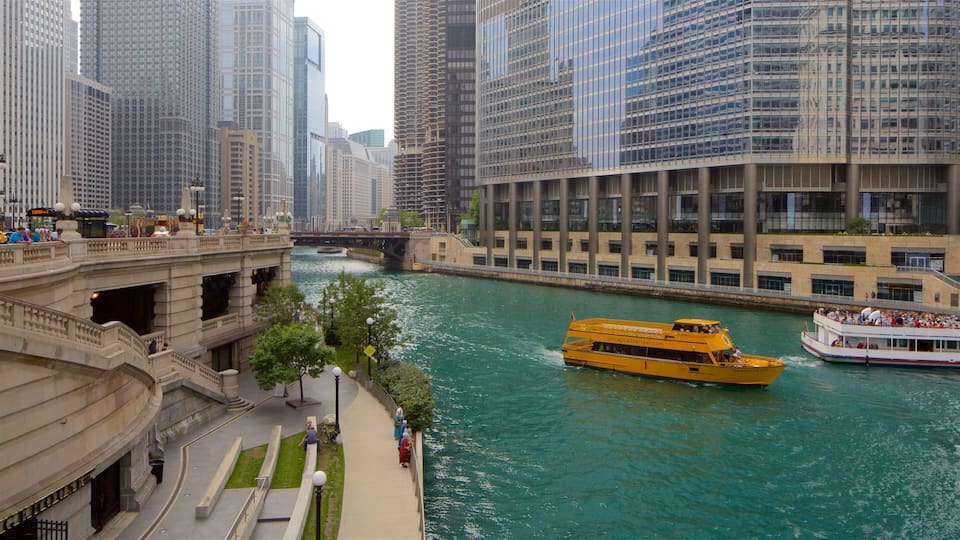
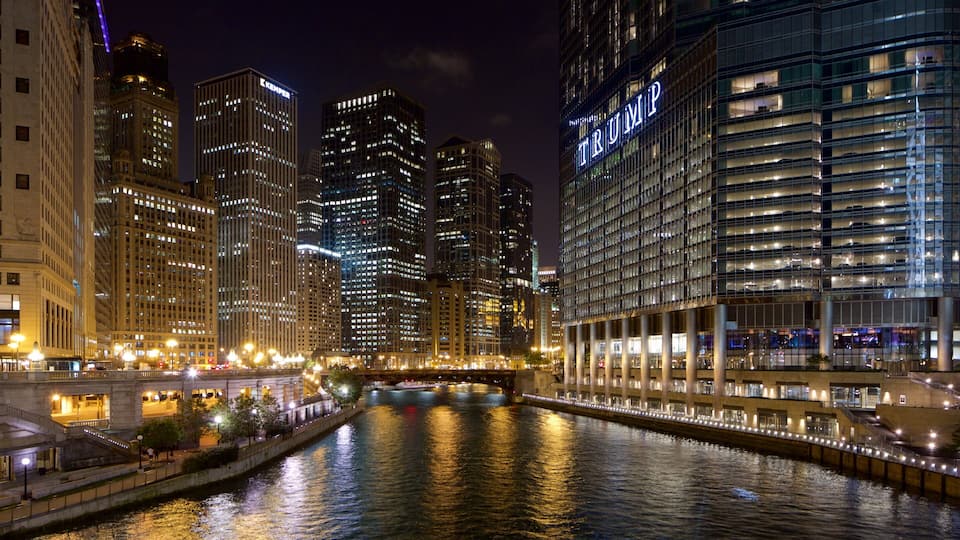
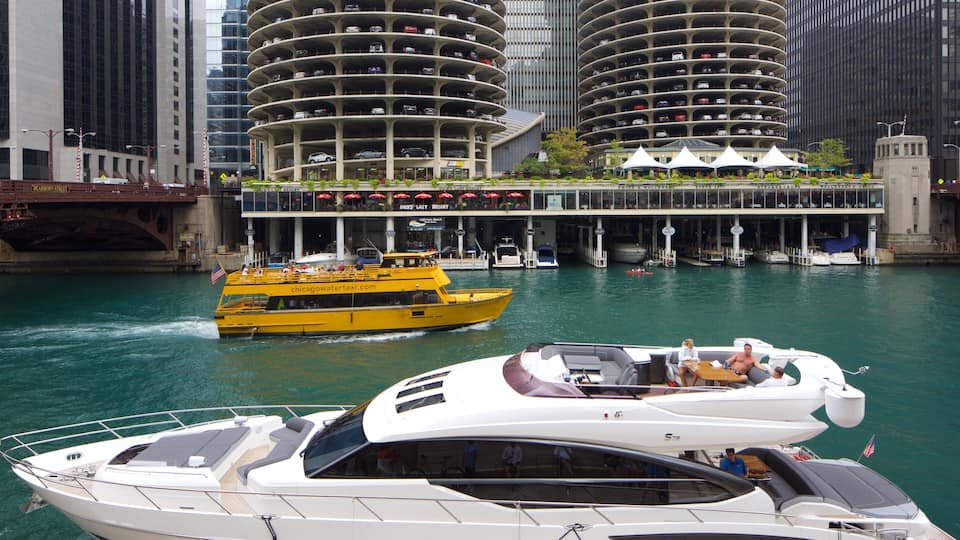
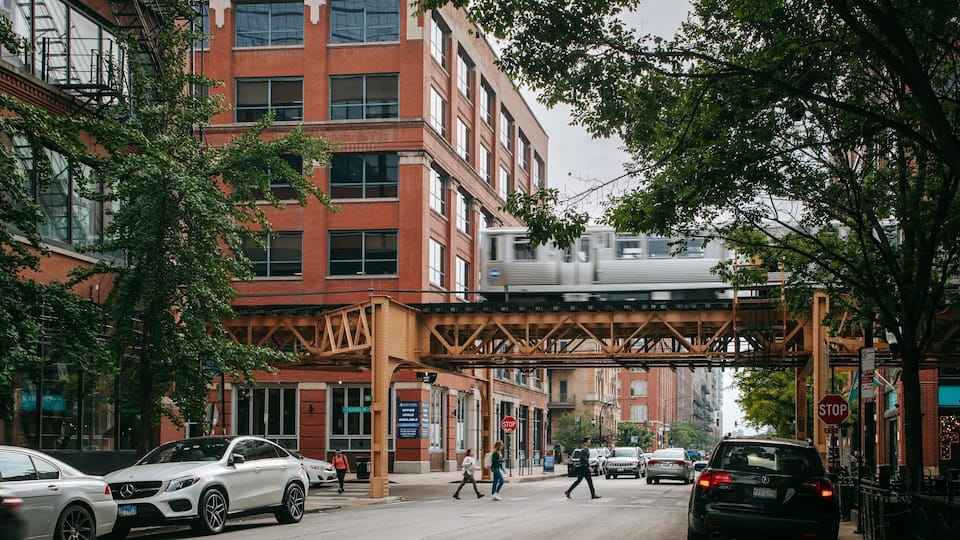
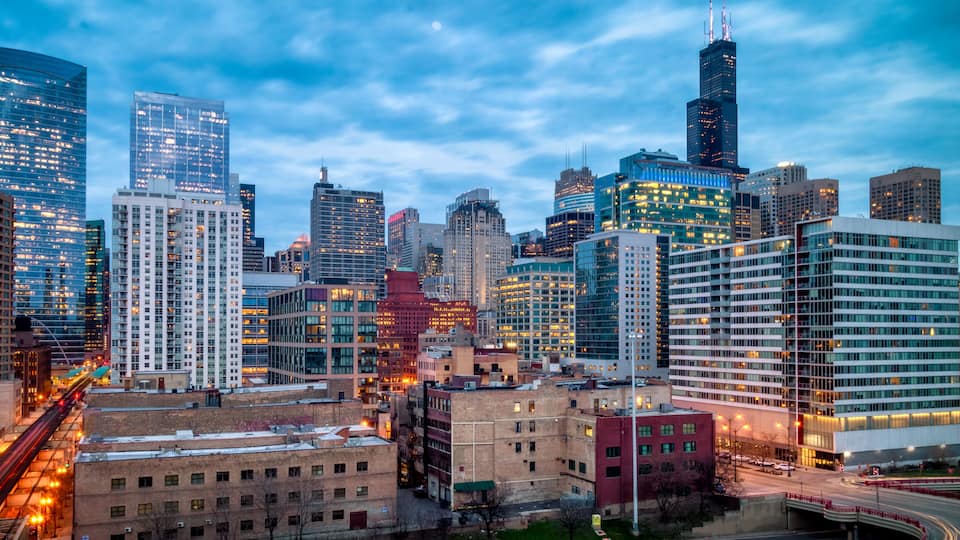
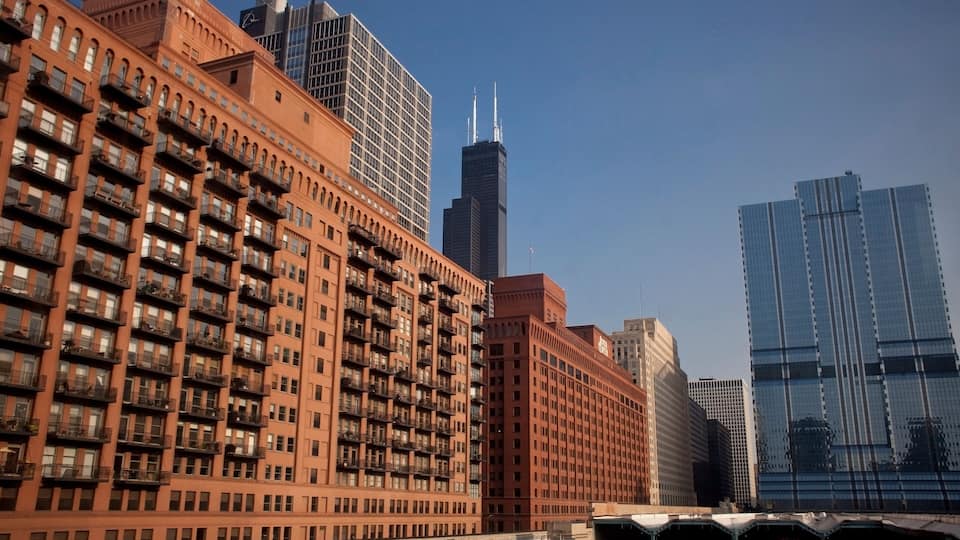
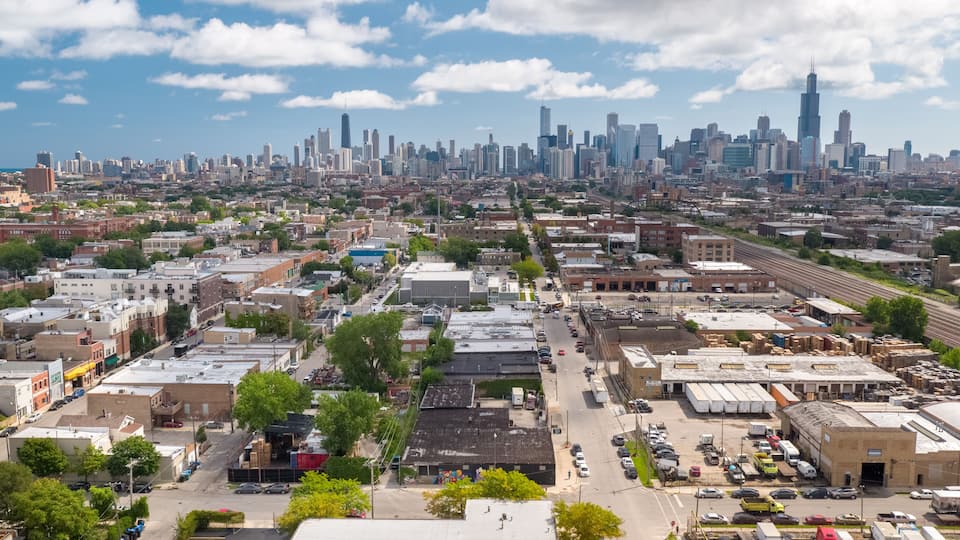
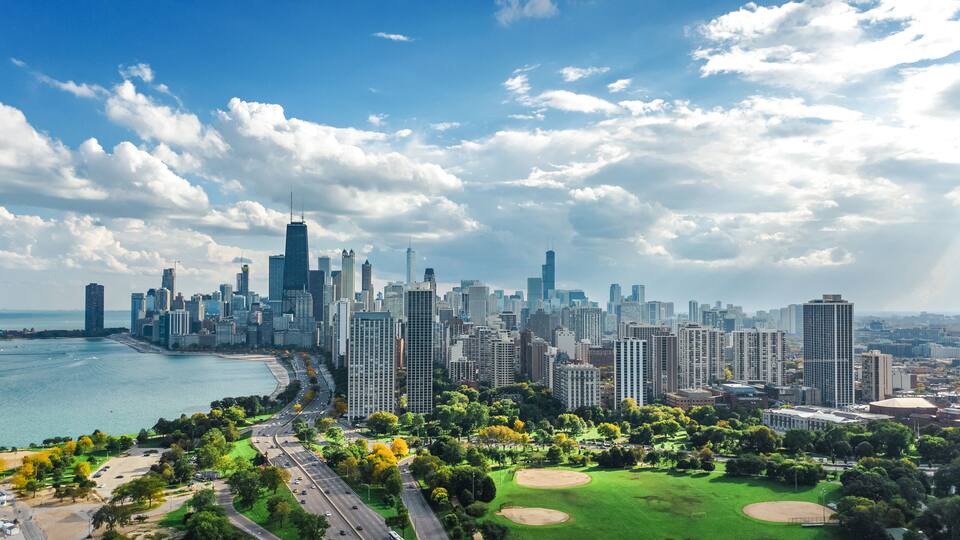
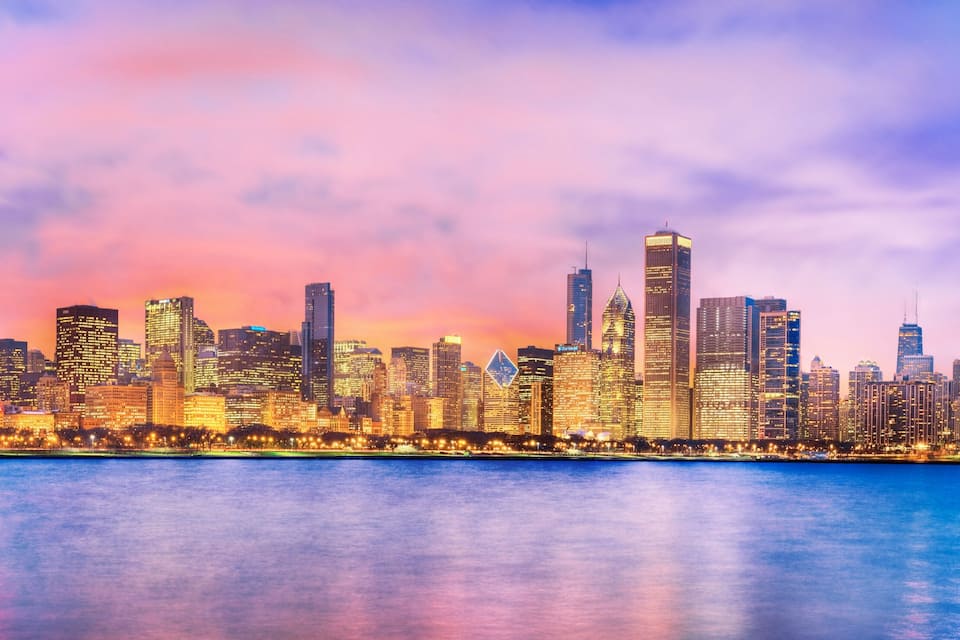
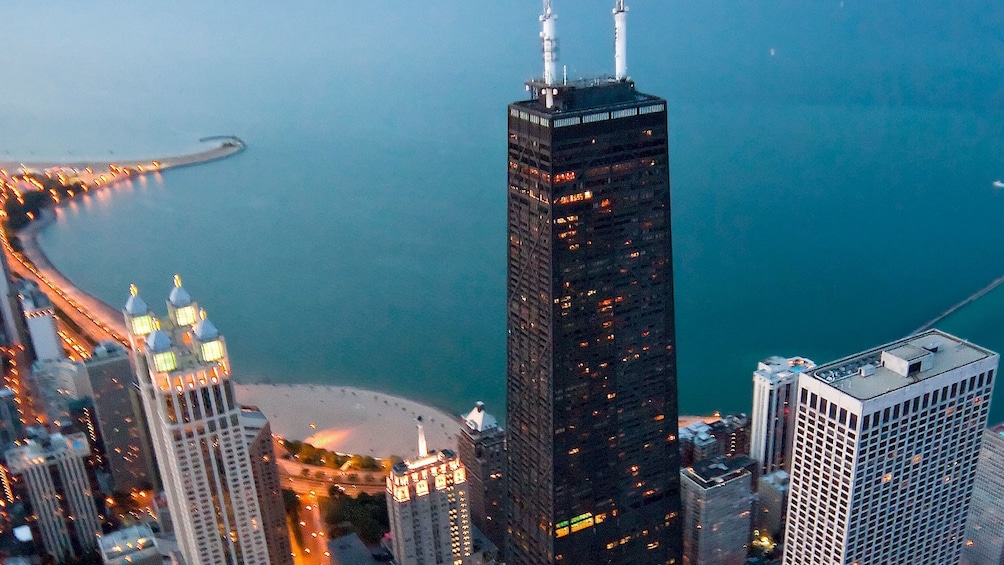
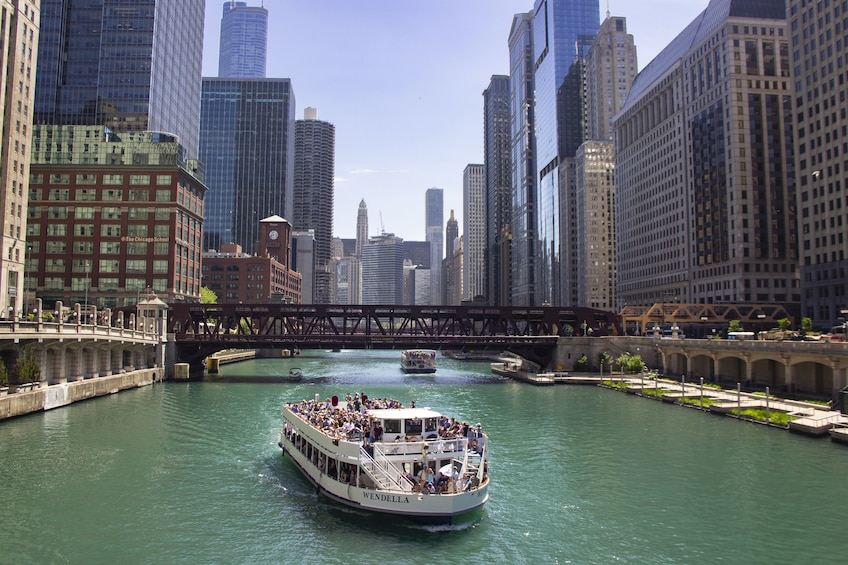
Discover sightseeing, shopping and sports in Chicago. Illinois’ largest city has a cultural scene that is as impressive as its skyline on the shores of Lake Michigan.
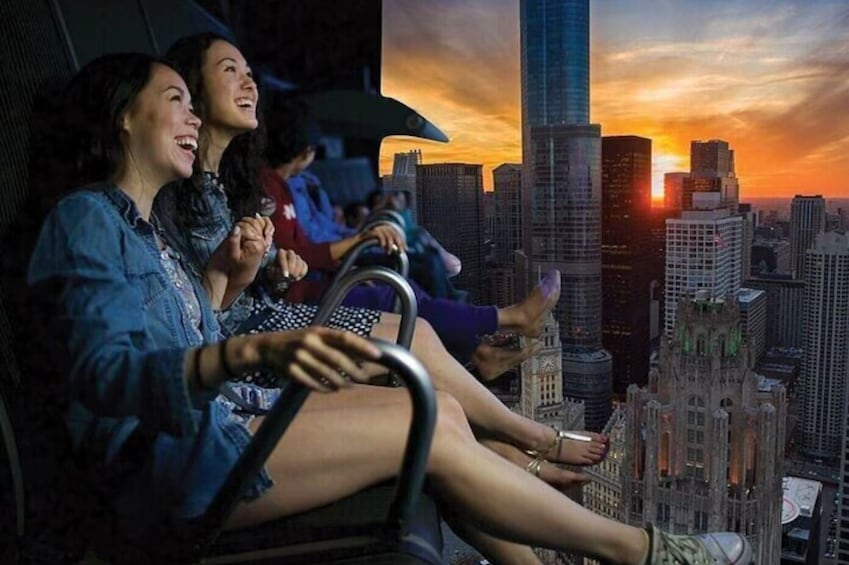
Within downtown Chicago’s Loop, visit galleries and restaurants. Snap a photo of Cloud Gate, known as The Bean, the iconic silver sculpture in Millennium Park. See the city unfold beneath you from the glass-bottomed ledge of Willis Tower.
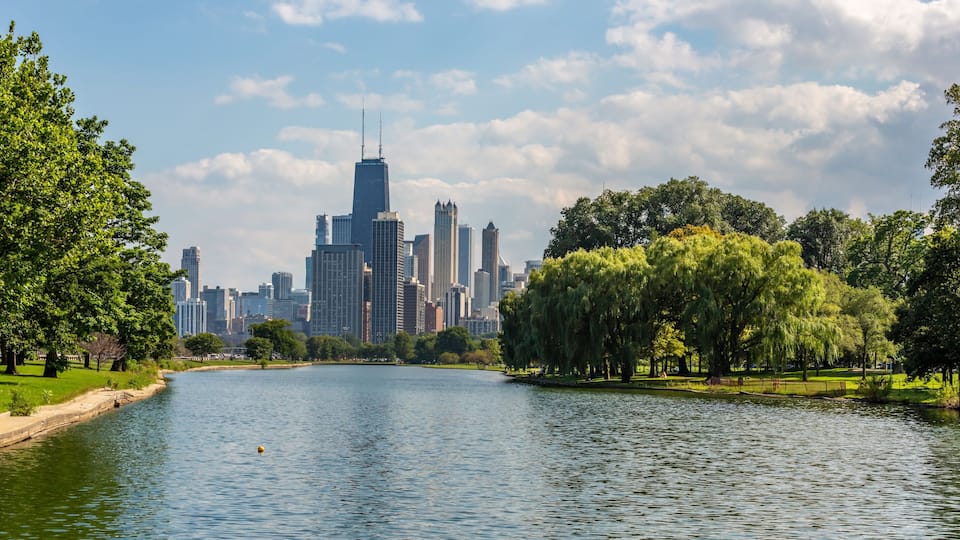
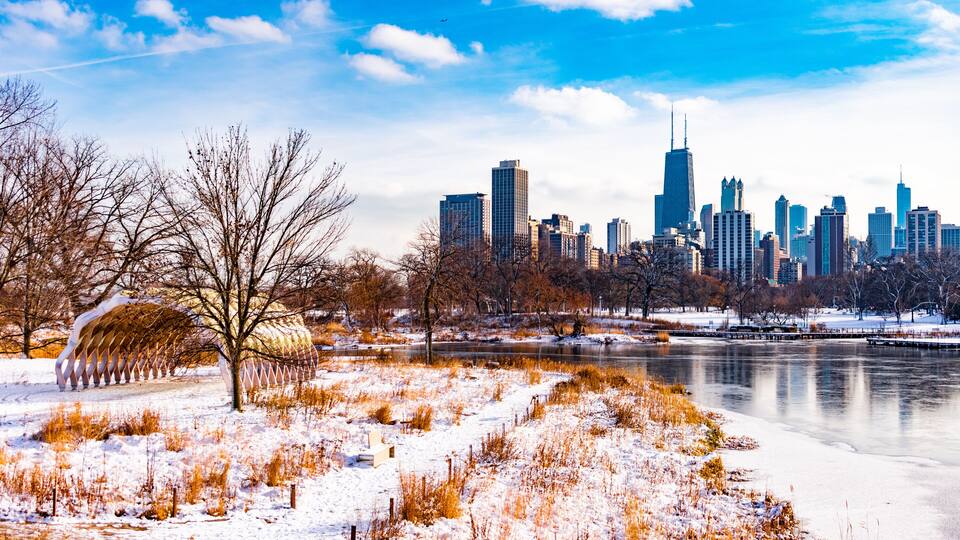
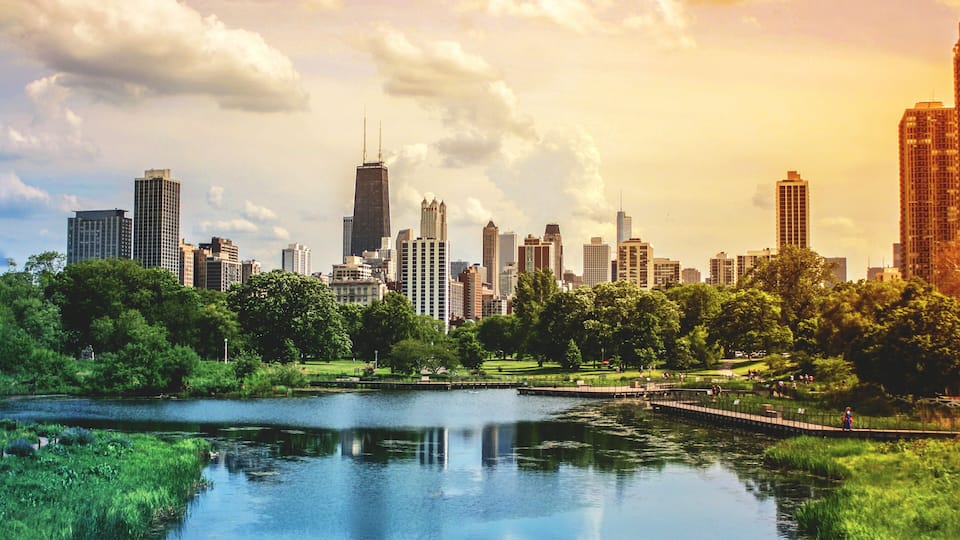
Explore the neighborhood of Lincoln Park. Sunbathe on the namesake park’s public beaches, visit the animals in the Lincoln Park Zoo and discover exotic plants in the Lincoln Park Conservatory.
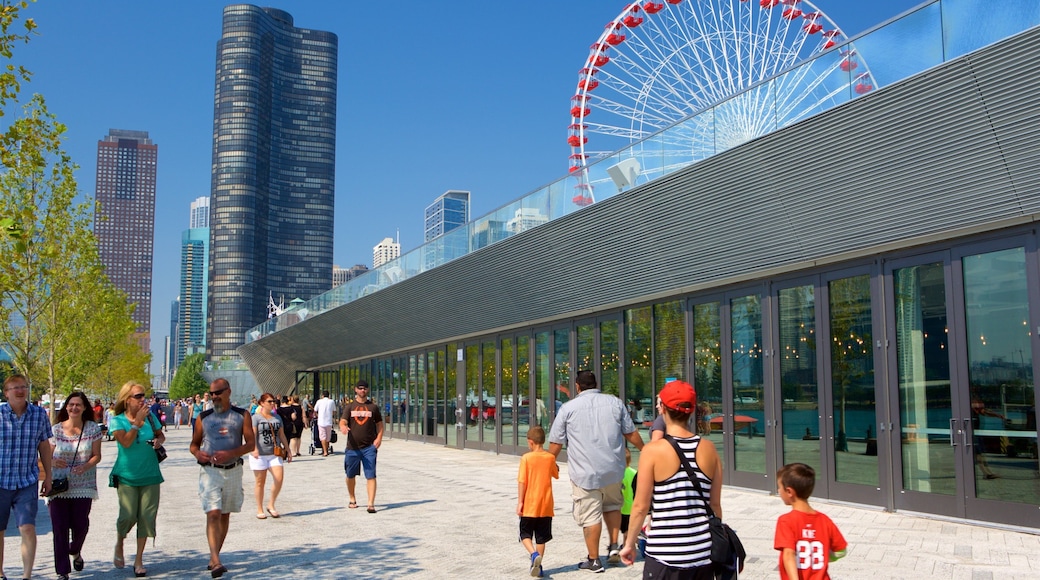
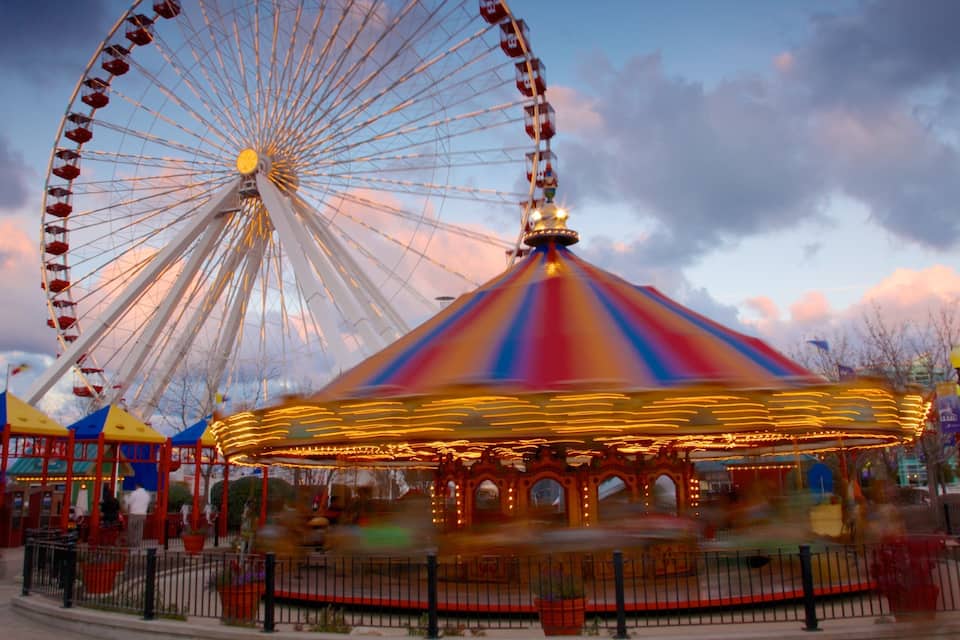
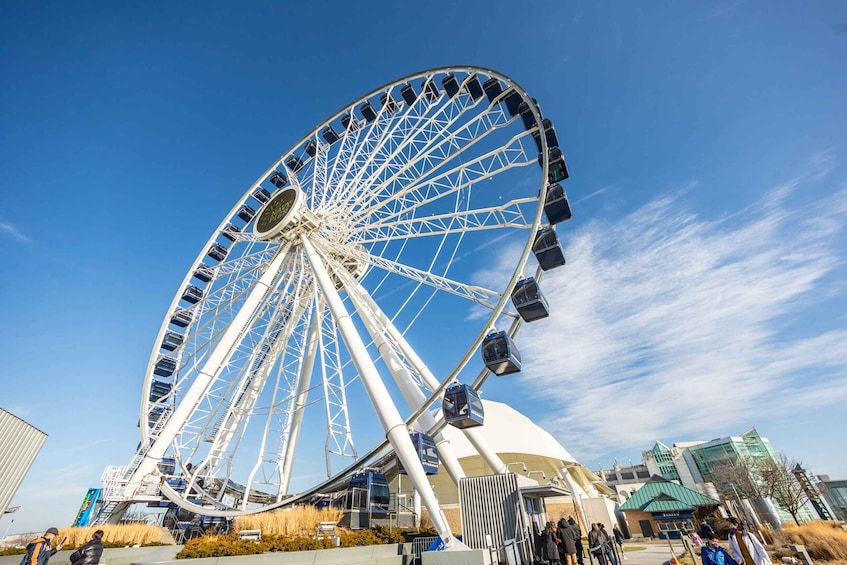
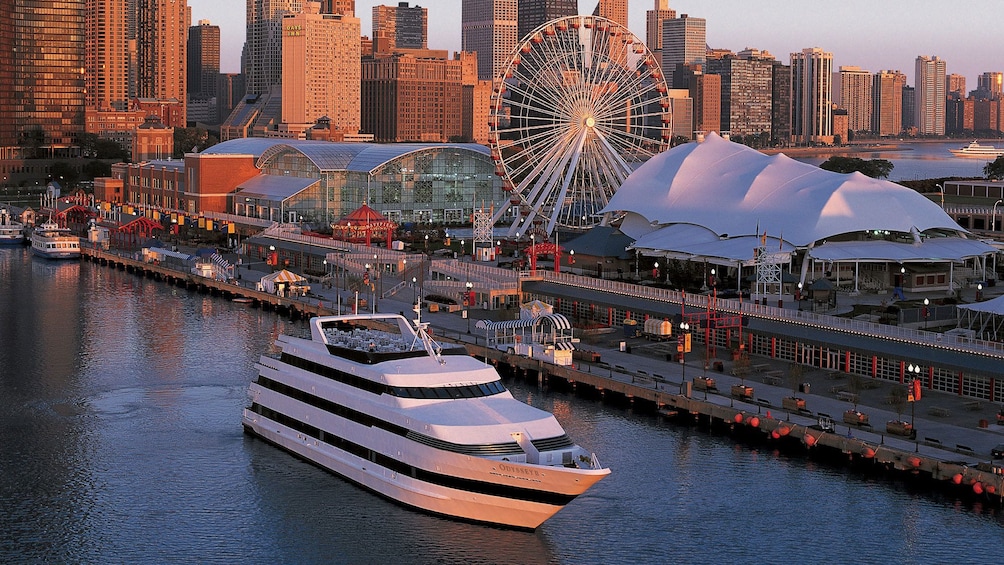
Ride the Ferris wheel in the waterfront Navy Pier district. Go shopping along the Magnificent Mile, the city’s famed shopping strip.
At Ernest Hemingway Birthplace and Museum, tour the childhood home of one of America’s most enduring authors. Visit Frank Lloyd Wright Home and Studio for a peek into the legendary architect’s life and work. Nearby, see the self-proclaimed “jewel” that Wright designed, Unity Temple.
Team spirit is strong in Chicago. Watch the Chicago Bears play on their home turf at Soldier Field. Root for a home run for the Chicago Cubs at iconic Wrigley Field.
Visit Chicago’s many outstanding museums. See ancient Mesopotamian carvings and art by Claude Monet at the Art Institute of Chicago. Learn about the city’s past at the Chicago History Museum. Check out the Apollo 8 spacecraft and other fascinating exhibits at the Chicago Museum of Science and Industry. See dinosaur bones and Egyptian mummies at Field Museum of Natural History.
Transport yourself to an African savannah, the Australian outback and the Arctic tundra at the Brookfield Zoo.
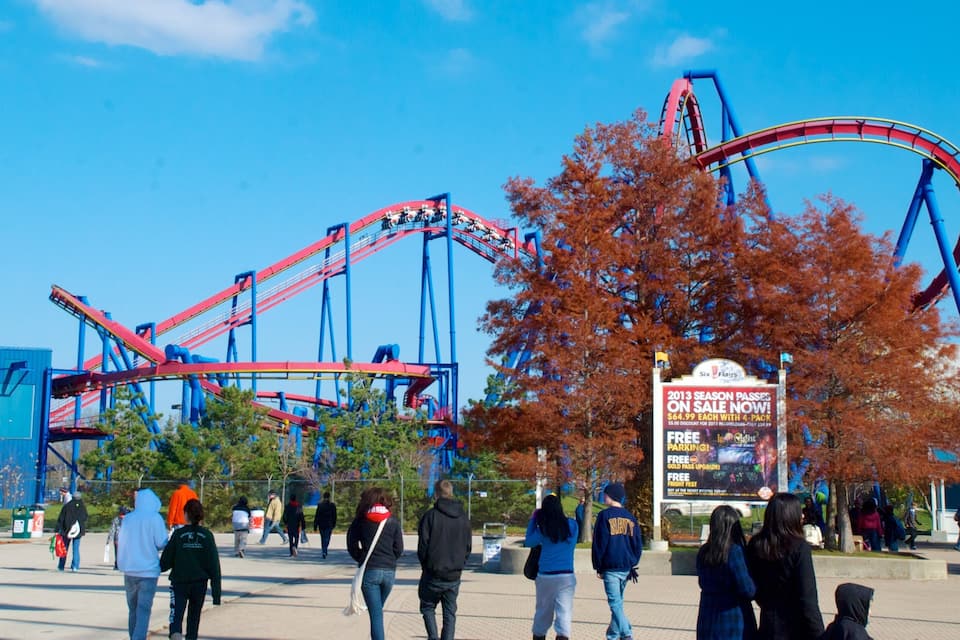
Explore beyond Downtown Chicago and visit Shedd Aquarium. Farther afield, the North Suburbs, West Suburbs and Aurora offer a break from the city bustle. Visit LEGOLAND in Schaumburg or see a polo match in Oak Brook. Spin through dozens of roller coasters and rides at Six Flags America in Gurnee.