Best Time to Visit New York
New York shifts with the seasons, from warm park days and river breezes to crisp winter streets. When deciding the best time to visit New York, it comes down to what you want most from the trip: easy walking weather, fewer people, or lower hotel costs.
Drawing on Expedia Group booking data from 2025, here is how New York demand, pricing, and travel patterns change through the year.
When to Visit New York at a Glance
- Best weather: April to June and August to October
- Most crowded: December, July, and August (about 1.6x busier than the calmest months)
- Cheapest months: February, January, and March (about 55% lower than peak)
- Fewest crowds: February, September, and January
- Major travel spikes: December and midsummer, with demand peaking in December and July
- Best value balance: July, February, and January (about 49% below peak pricing)
When Is the Best Weather in New York?
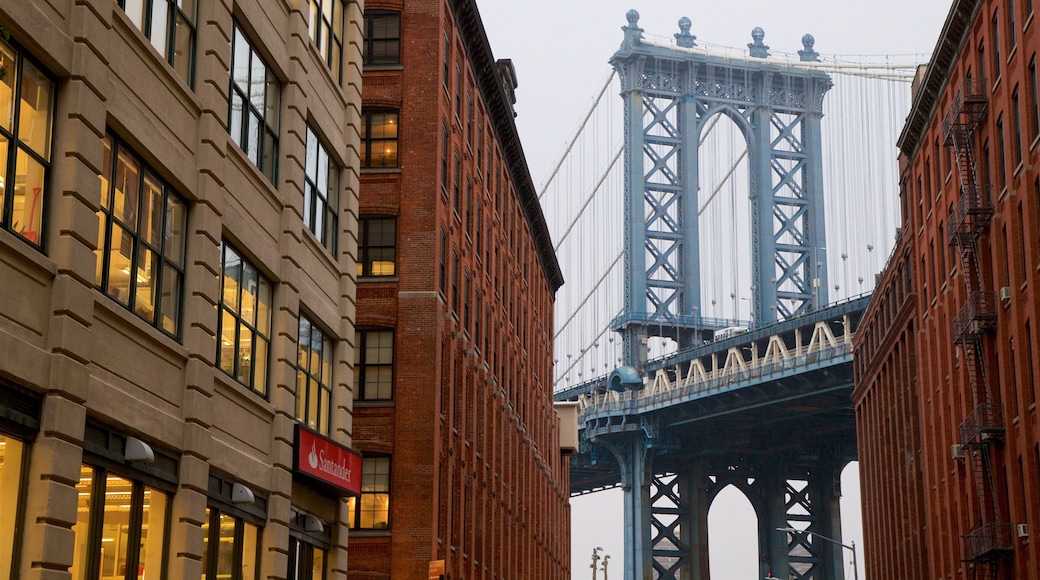
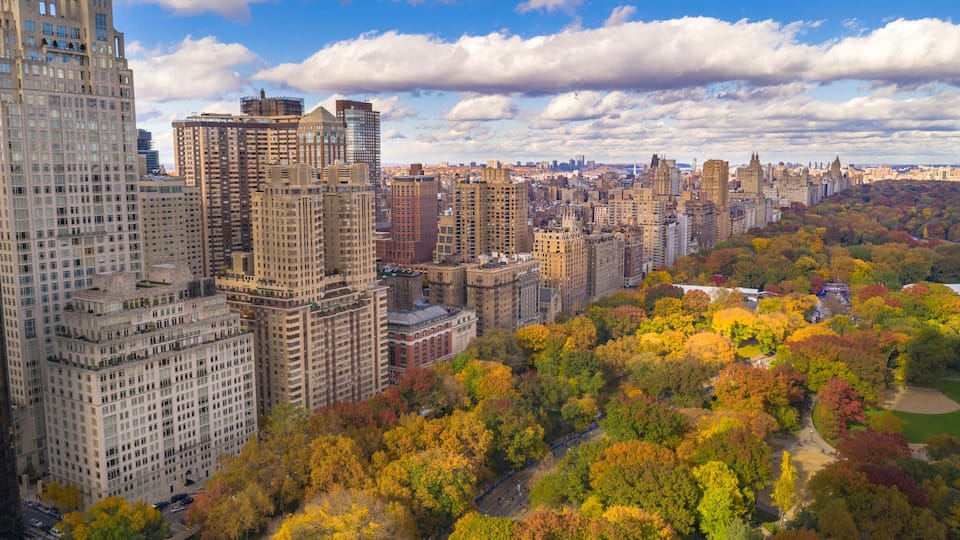
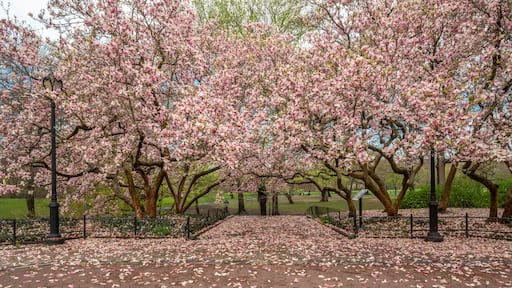
For comfortable days on foot, April through June and August through October are the sweet spot. This is when long walks through Central Park or across the Brooklyn Bridge feel easiest, with mild afternoons and plenty of light. If you are comparing New York weather by month, these are the stretches the city wears best.
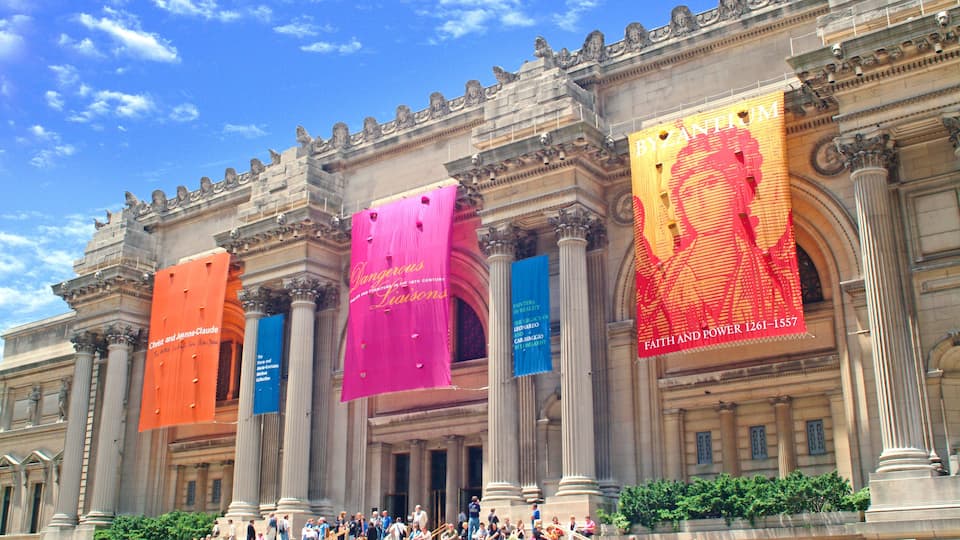
If your plans lean indoors, the cold of January and February works well for museum days at places like the Met or MoMA. You get unhurried neighborhood browsing and none of the sticky July heat to slow you down.
When Is the Cheapest Time to Visit New York?
The cheapest time to visit New York is usually February, January, and March, when hotel prices run about 55% lower than the most expensive months. If you are weighing savings against conditions, the best overall value shows up in July, February, and January, with rates about 49% below peak. July brings summer energy and more visitors, while the winter months trade warmth for deeper discounts.
For an extra saving, plan to arrive on a Sunday, which is typically the cheapest check-in day, and avoid Wednesday, which is usually the most expensive.
When Is New York Most Crowded?
New York is busiest in December, July, and August, when visitor levels are roughly 1.6 times higher than in the calmest months. If you are targeting the least crowded time to visit New York for big sights, February, September, and January are typically quieter, making spots like the High Line or the Top of the Rock feel more relaxed.
Top properties tend to sell out fastest in December, July, and August. If your dates land in these New York peak season periods, lock in your preferred neighborhood and hotel by booking early.
How Far in Advance Should You Book New York Hotels?
Travelers book earlier for the busiest periods. December stays are typically reserved around 45 days in advance, compared with about 25 days for February trips. For summer or December dates, start your search a good month or two ahead to keep options open, especially if you want to stay near Midtown or close to Central Park. Quieter winter visits offer more breathing room.
Trips also tend to be a touch longer in spring, averaging about 2.7 nights in April versus roughly 2.5 nights in January, so early planning can pay off for popular weeks. Flexible rates are available year-round, with a small increase in January and a slight dip in July, so you can expect consistent flexibility whenever you visit New York.
Insights based on bookings through Expedia Group between January 1–December 31, 2025. [Last updated: July 14, 2026]